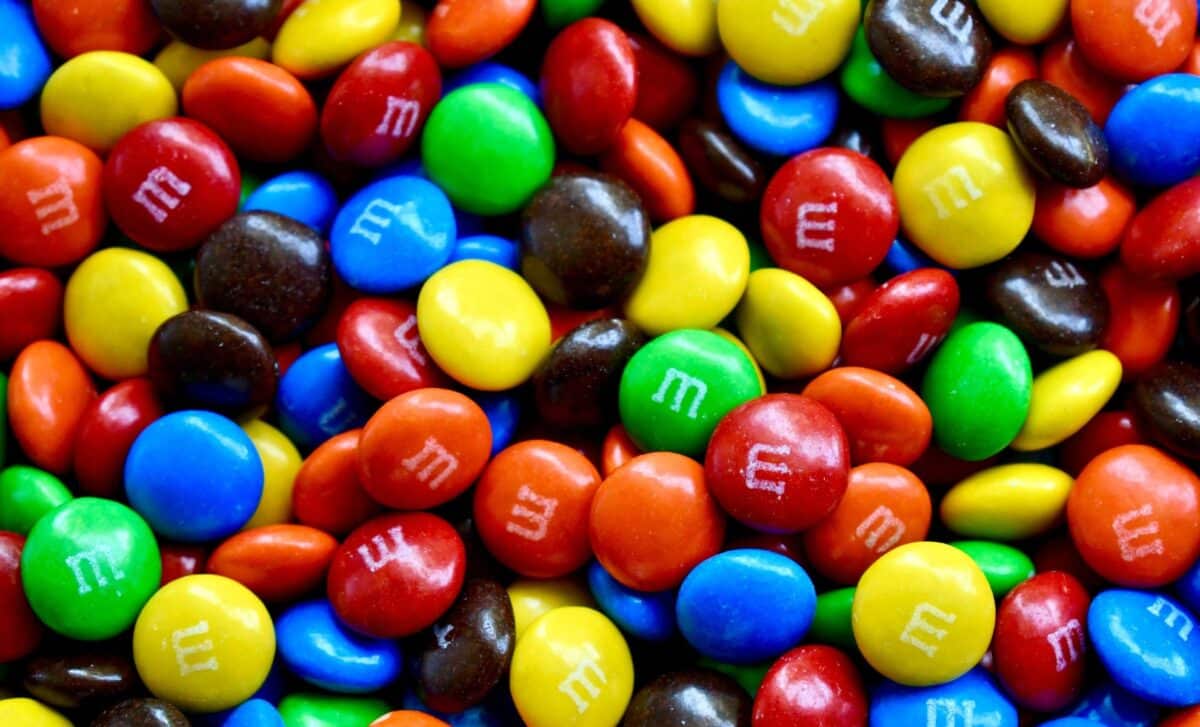
A popular chocolate snack has been urgently recalled in the UK after authorities identified a potentially serious labelling issue. Consumers have been told not to eat the product if they have specific allergies or intolerances.
The warning, issued on April 1, 2026, highlights concerns over undeclared allergens in certain packs of M&M’s Pipoca, a popcorn-style confectionery product. According to the Food Standards Agency (FSA), the affected items may pose a health risk due to incomplete ingredient information on their UK labels.
Labelling Error Exposes Consumers to Undeclared Allergens
The recall centres on 35g packs of M&M’s Pipoca distributed in the UK by 3D Trading. These products were originally manufactured for the Brazilian market and later relabelled for sale in the UK. According to the Food Standards Agency, the added UK labels do not accurately reflect the full allergen content listed on the original packaging.
Specifically, the sweets contain peanuts and gluten, and may also include barley, rye and wheat. None of these allergens are properly declared on the UK label. This discrepancy has led to the classification of the issue as a “possible health risk” for individuals with peanut allergies, gluten intolerance, or coeliac disease.
The recall applies to all batch codes and all best-before dates of the 35g packs. Consumers who have purchased the product and are affected by these conditions are advised not to consume it. Instead, they should return it to the retailer for a full refund, with or without a receipt.
The FSA notice makes clear that the concern lies not in contamination or spoilage, but in the absence of accurate allergen information. This distinction is significant, as it means the product may appear safe to consumers who rely on labelling to manage dietary risks.
Health Risks Linked to Peanut Allergy and Coeliac Disease
The potential consequences of consuming undeclared allergens can be serious. According to the Food Standards Agency, peanut allergies affect approximately one in 50 children and one in 200 adults in the UK. Reactions can range from mild symptoms, such as skin rashes and itching, to more severe responses including swelling of the face or throat, vomiting, and difficulty breathing.
Similarly, gluten-related conditions remain a significant public health concern. Coeliac disease, an autoimmune disorder triggered by gluten, is estimated to affect around one in 100 people in the UK. According to the information cited in the recall notice, common symptoms include diarrhoea, abdominal pain, bloating, indigestion, constipation and vomiting.
The absence of clear allergen labelling increases the likelihood of accidental exposure, particularly in products like confectionery that may be consumed casually or shared. According to the FSA, accurate labelling is essential in enabling consumers to make informed and safe choices.
This recall underlines the importance of compliance with food labelling regulations, especially when products are imported or repackaged for different markets. For now, the guidance remains straightforward: those at risk should avoid the product entirely and seek a refund.