Millions of UK households are being offered up to 64 hours of free electricity this spring, as EDF Energy expands a scheme designed to reward off-peak usage. The initiative could reduce annual bills by close to £100 for those who take part consistently.
The programme reflects a wider push to manage electricity demand more efficiently, particularly during peak evening hours. By shifting consumption patterns, households may not only cut costs but also contribute to easing pressure on the national grid.
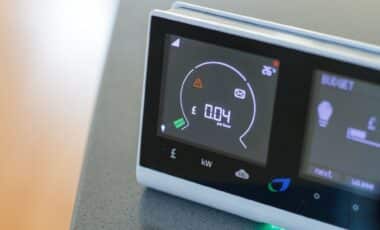
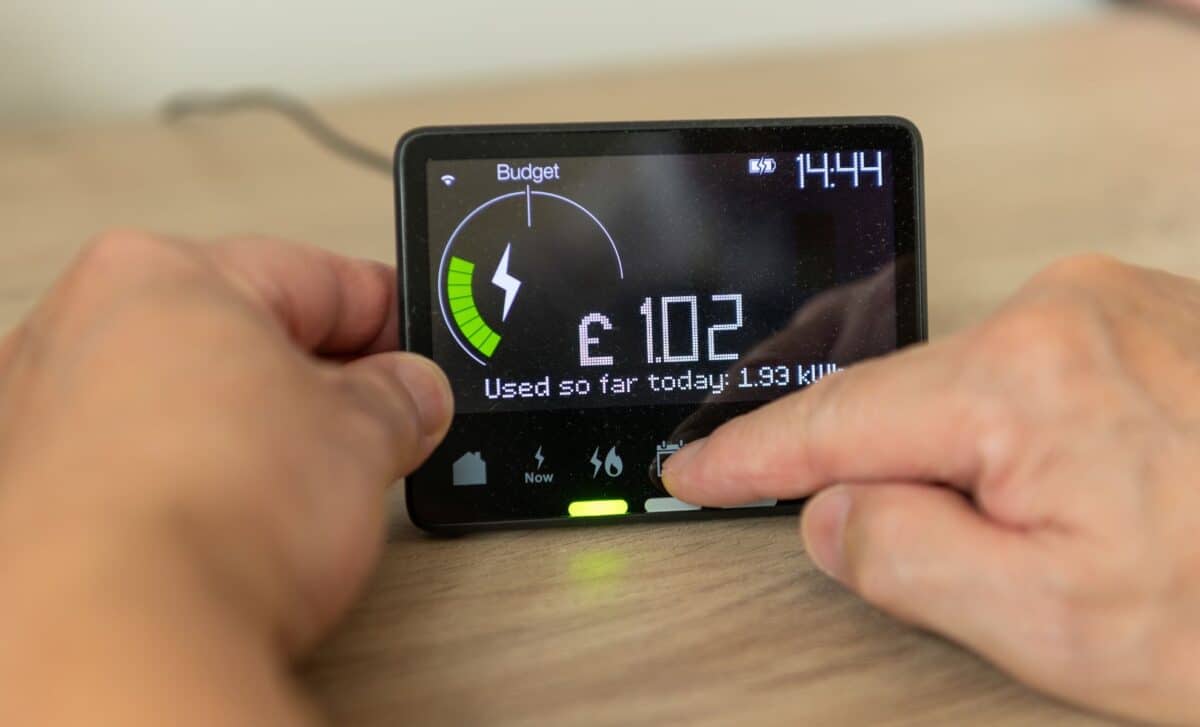
EDF’s “Sunday Saver” scheme is returning with four designated free electricity days, allowing participants to redeem rewards earned through reduced weekday usage. The offer is open to customers with smart meters capable of sending half-hourly readings, with a sign-up deadline set for early April.
At its core, the scheme is simple: the more a household reduces electricity use between 4pm and 7pm on weekdays, the more free electricity it can unlock for use on selected Sundays later in the month.
How EDF’s Sunday Saver scheme works in practice
The programme operates on a tiered reward system linked directly to reductions in peak-time electricity use. According to EDF, households that cut their consumption by 5% can earn four hours of free electricity, while a 20% reduction yields eight hours. Larger reductions of 35% and 50% unlock 12 and 16 hours respectively.
Over a four-week period, this can total up to 64 hours of free electricity. Participants in the April scheme will be able to use their rewards on April 19 and 26, and May 3 and 10. According to the Daily Express, this effectively allows customers to run high-energy appliances at no cost during those windows.
Common strategies to achieve these reductions include running dishwashers overnight, avoiding tumble dryers during peak periods, and charging electric vehicles outside the 4pm to 7pm window. EDF also provides users with access to its Energy Hub, where they can monitor usage and track progress throughout the challenge.
The scheme, first launched in 2024, has already seen widespread participation. According to EDF figures, customers have accumulated more than 20.5 million hours of free electricity since its introduction.
Savings potential balanced by practical limitations
EDF estimates that the most committed users can save around £96 per year through the scheme. According to company data, participants currently earn an average of 18 hours of free electricity per month, while the most engaged users in 2025 achieved around 266 hours across the year.
These figures suggest that while the maximum savings are achievable, they depend on consistent participation and significant changes in energy habits. Joe Souto, EDF’s Director of Retail, said the initiative provides a “simple, practical way to cut costs”, according to company statements, particularly as households adjust to changes in the energy price cap.
Yet the model relies on flexibility that may not be realistic for all households. According to Wales Online, reducing electricity use by up to 50% during peak hours could be challenging for families with fixed evening routines, especially in periods of higher seasonal demand.
The scheme does not require customers to switch tariffs or providers, which may make it more accessible than other cost-saving options. Still, its effectiveness depends largely on a household’s ability to adapt daily routines around energy use. For those who can make those adjustments, the offer presents a structured way to reduce bills while engaging more actively with how and when electricity is consumed.