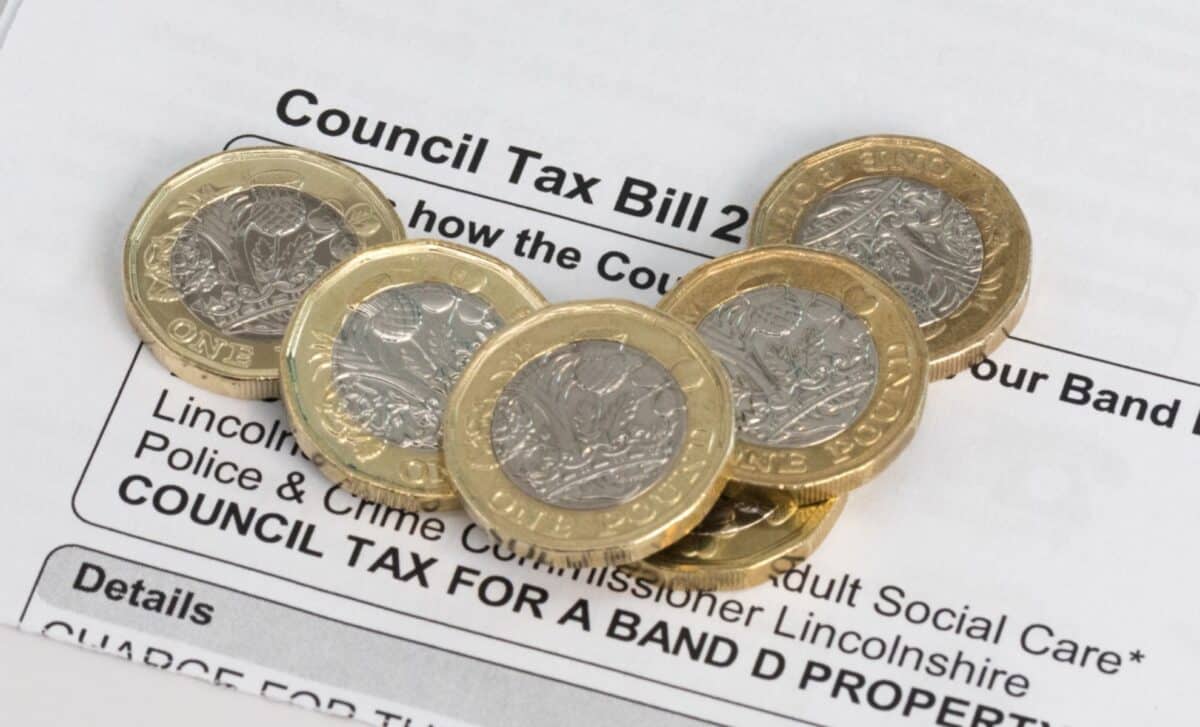
Council tax bills across England are set to rise again from April, with most local authorities opting for near-maximum increases. The changes will affect millions of households, with average costs continuing to climb amid ongoing financial pressures on councils.
The increases, confirmed ahead of the new financial year, highlight growing disparities between regions and raise renewed questions about how local services are funded. According to government figures, the overall rise follows a pattern seen consistently over recent years.
For many households, the adjustments will mean noticeable increases in annual payments. According to the Ministry of Housing, Communities & Local Government, the average Band D council tax in England will reach £2,392 for 2026–27, marking a rise of £111 compared with the previous year.
Majority of Councils Adopt Near-Maximum Increases
Most councils in England have implemented a 4.99 per cent increase, which is the highest permitted without requiring special approval. This level of increase has become typical, reflecting ongoing financial strain within local government.
A small number of councils have been authorised to exceed this threshold. Shropshire, Worcestershire and North Somerset will each raise council tax by 8.99 per cent, the highest approved increases. Warrington, Trafford, and Windsor and Maidenhead will apply rises of 7.49 per cent, while Bournemouth, Christchurch and Poole Council has been permitted a 6.74 per cent increase.
According to the Ministry of Housing, Communities & Local Government, these figures include additional charges such as adult social care precepts, as well as contributions to police, fire and other regional services. The result is an average rise of around £109 per household, though the exact amount varies depending on location and property band. This marks the fourth consecutive year in which the national average increase has hovered around 5 per cent, indicating a sustained upward trend rather than a one-off adjustment.
Regional Disparities and Political Debate Intensify
The confirmed rises also underline significant regional differences in council tax levels. Households in metropolitan areas, particularly in the North and Midlands, face some of the highest bills, with an average Band D charge of £2,409.
In contrast, London boroughs report lower average costs, with Band D properties charged around £2,068. According to official figures, unitary authorities show even higher averages at £2,490, while county council areas stand at £2,452.
These variations reflect differences in funding structures rather than local need, as highlighted by sector representatives. A spokesperson for the Local Government Association stated that councils remain “acutely aware” of financial pressures on residents but are often forced to raise council tax to maintain essential services. They added that council tax alone cannot address long-term funding challenges.
The increases have also prompted political criticism. Shadow communities secretary Sir James Cleverly argued that the rises were driven by central government decisions, claiming households are facing continued cost pressures despite earlier commitments to ease the burden.
At the same time, local authorities maintain that without additional funding reform, council tax increases remain one of the few available mechanisms to sustain services. The latest figures, as reported by central government, suggest that this tension between local funding needs and household affordability is unlikely to ease in the near future.