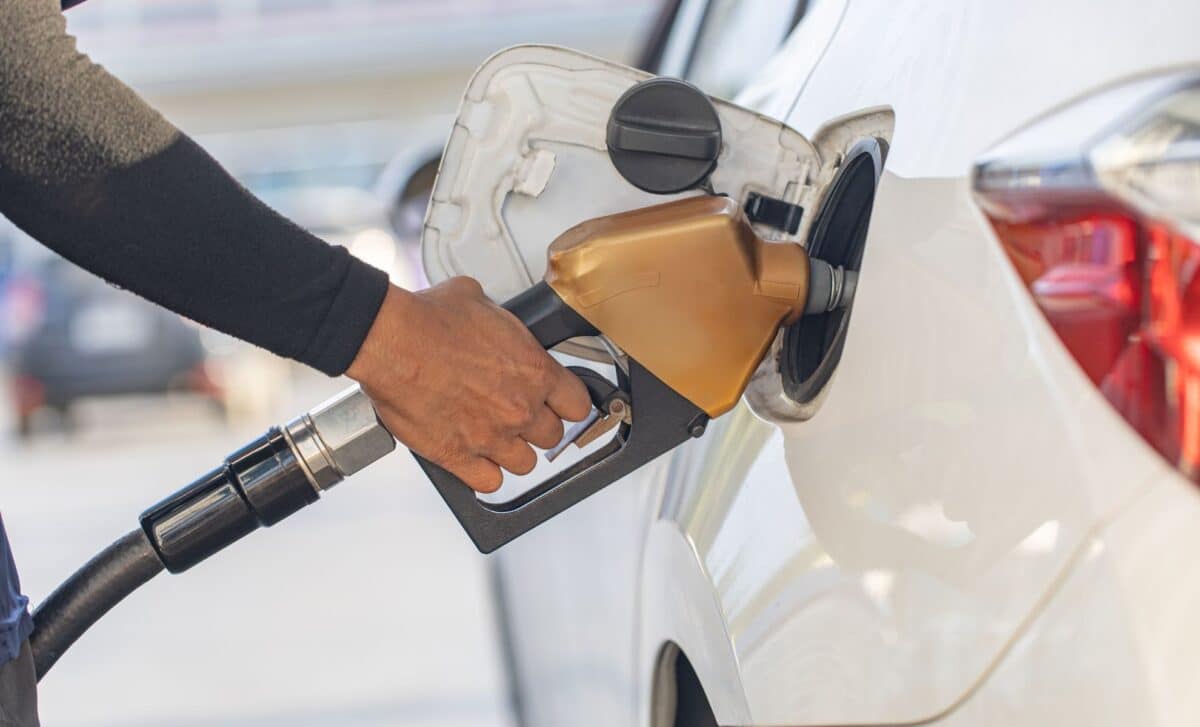
The British government is quietly reviewing its national fuel emergency protocols as escalating conflict in the Middle East raises fears of a serious supply disruption. Plans under consideration include a £30 cap on individual fuel purchases at petrol stations, alongside priority access for critical services such as the NHS and police.
The review comes as global oil markets face mounting pressure from a rapidly deteriorating situation in the Middle East. Iran’s blockade of the Strait of Hormuz, a chokepoint through which roughly one-fifth of the world’s traded oil passes, has sent fuel through energy markets, pushing diesel to 160.3p per litre and unleaded petrol to 141.5p, their highest levels in approximately 18 months.
A Precautionary Review, Not an Imminent Crisis
Government officials have been careful to frame the review as a contingency measure rather than a signal of impending shortages. According to automotive technology firm Regit, the government has confirmed it is examining its national fuel emergency plans specifically to ensure the UK can respond swiftly should global supply chains deteriorate further.
Labour MP Dan Tomlinson offered a cautious assessment when asked directly whether formal fuel rationing was being considered. “At the moment, it is too early to tell what the impact of this crisis will be in the coming months,” he said, a statement that reflects the uncertainty gripping Westminster as officials weigh how far the conflict may spread.
A £30 fuel purchase limit, if implemented, would not constitute a nationwide legal restriction. Rather, such caps are decisions made by individual retailers, typically deployed during periods of panic buying to prevent pumps running dry and ensure broader access for more drivers. The approach is not without precedent: similar limits were introduced during the 2021 fuel shortages, when supply chain disruptions triggered widespread queuing at forecourts across the country.
Energy Costs Climb as the Government Pledges Support
The broader economic consequences of the crisis are already being felt beyond the forecourt. Heating oil prices have risen sharply in recent weeks, prompting a direct government intervention. Ministers have committed £50 million in support for households across the UK that rely on heating oil, a particularly vulnerable group concentrated in rural areas where mains gas is unavailable.
“What we have seen in the last two weeks is that there has been sharp increase in the cost of oil used to heat people’s homes,” a government spokesperson said, adding that officials would “monitor the situation carefully.”
Whether the UK will move beyond contingency planning to active rationing remains unclear. For now, according to officials, the emphasis is on preparedness, ensuring that if the worst materializes, the systems to protect essential services and manage public demand are already in place.