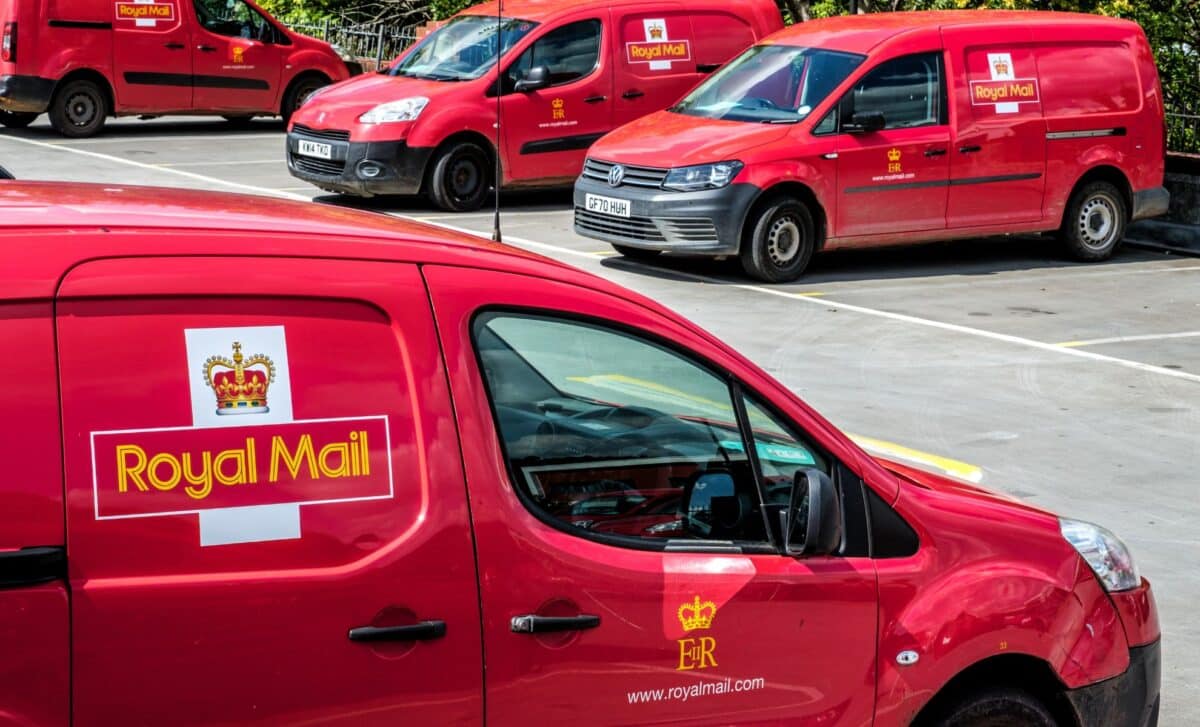
Royal Mail is experiencing disruption at 25 delivery offices today, with 62 postcodes across England, Wales, Scotland, and Northern Ireland affected. The delays come just weeks before a controversial stamp price hike takes effect in April.
The disruption adds pressure to a company already facing public scrutiny over missed delivery targets and a multimillion-pound regulatory fine. For thousands of households and businesses expecting parcels or letters today, Monday March 23, the delays are an unwelcome start to the week. The firm says it is working to “minimise” the impact and restore normal service, but for now, residents in affected areas may need to wait.
Why the Delays Are Happening, And Where
Royal Mail attributes the disruption to operational challenges at the local level. Some delivery offices are dealing with high levels of sick absence, resourcing difficulties, or other local factors that make it temporarily impossible to maintain full six-days-a-week delivery commitments.
In a statement, Royal Mail said it will rotate deliveries to minimise the delay to individual customers, adding that targeted support is being sent to affected offices. The company apologised for any inconvenience caused.
- Barrhead DO — G78
- Birmingham East DO — B8–B10
- Castle Bromwich DO — B35, B36, B37, B40
- Cranleigh DO — GU6
- Erskine DO — PA7, PA8
- Grimsby DO — DN31–DN37
- Leicester North DO — LE4, LE7, LE41
- Lichfield DO — WS7, WS13, WS14
- Loughborough DO — LE11, LE12
- Newcastle Under Lyme DO — ST5, ST55
- New Ferry DO — CH32, CH62, CH63
- Nuneaton DO — CV10, CV11, CV13
- Oxford DO — OX1, OX2
- Patchway DO — BS32, BS34, BS35
- Pontefract DO — WF7–WF9, WF11
- Redfern Park DO — B11, B12, B25–B27
- Shepshed DO — LE12
- Sleaford DO — NG34
- Spean Bridge SPDO — PH31, PH34
- Sutton Bonington SPDO — LE12
- Syston SPDO — LE7
- Thatcham DO — RG18–RG19
- Upton DO — CH30, CH49
- Whitechapel DO — E1, E1W, E98
- Yate DO — BS37
Stamp Prices Are About to Rise Again
The disruption lands at a particularly sensitive moment for Royal Mail’s public image. From April 6, the price of a First Class stamp will rise to £1.80, while Second Class stamps will climb to 91p. To put that in historical context: a First Class stamp cost just 76p in 2020.
According to Citizens Advice, the cost has now risen eight times since that year, a 137% increase over six years. Royal Mail’s managing director of letters, Richard Travers, defended the pricing, noting that UK adults spend an average of just £6.50 per year on stamps and that letter volumes have fallen by 70% over two decades, even as the number of delivery addresses has grown by four million to 32 million.
A Company Under Regulatory Pressure
Today’s service disruption is not an isolated headache, it sits within a broader pattern of underperformance that has already cost Royal Mail financially. The company was handed a £21 million fine last October for missing its delivery targets in its 2024–25 financial year.
Only 77% of First Class mail was delivered on time, falling well short of the 93% target. Second Class performance came in at 92.5% against a 98.5% benchmark. Those figures have fuelled ongoing criticism of the firm’s ability to meet the basic expectations of the universal service obligation, making today’s fresh round of disruption all the more difficult to absorb reputationally.