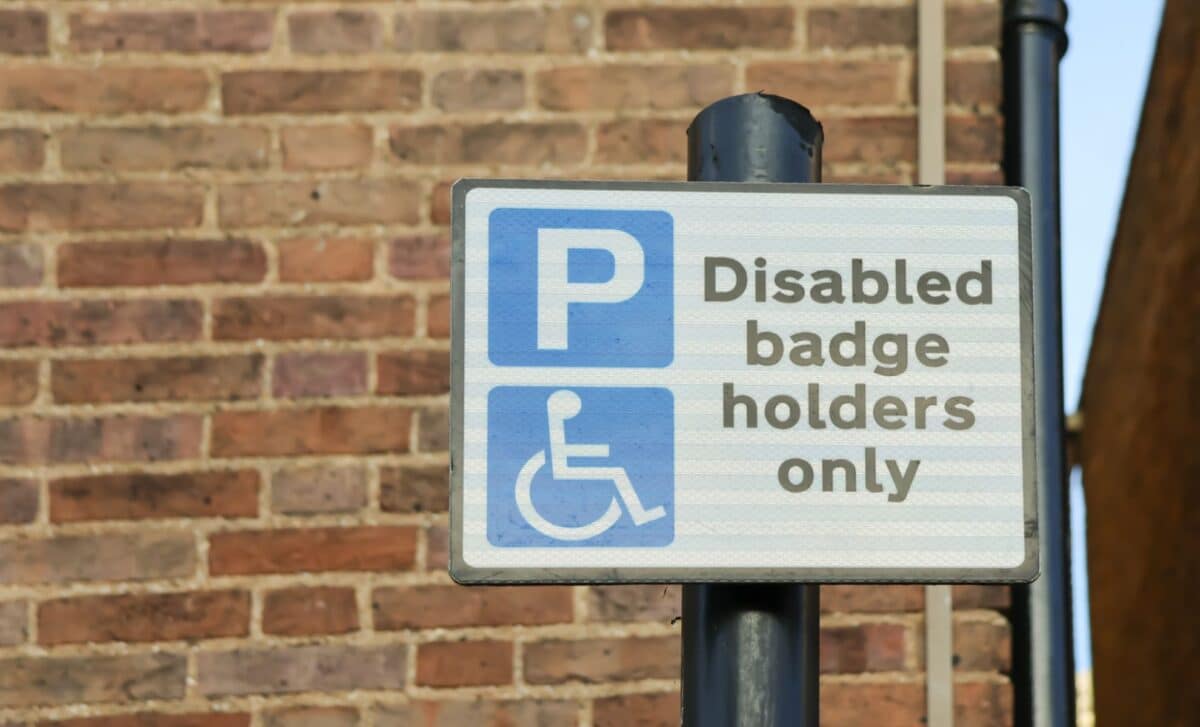
A quiet but consequential shift in transport policy took effect on March 1, unlocking significant savings for millions of disabled people across the United Kingdom. Blue Badge holders, those who already use the permit to park in disabled spaces and on yellow lines, can now qualify for the Disabled Persons Railcard without undergoing a separate assessment, a development that personal finance expert Martin Lewis has been quick to highlight.
The change, backed by the Department for Transport and the Rail Delivery Group, reflects a broader push to align eligibility criteria with a more contemporary understanding of disability. For those who qualify, the practical benefits are immediate: a railcard costing £20 for one year or £54 for three years delivers a third off all rail fares, along with partner discounts covering hotels, days out, and restaurants, savings that can reach approximately £126 annually.
What the Rule Change Means in Practice
Until now, qualifying for the Disabled Persons Railcard required applicants to meet a separate set of criteria, even if they already held a Blue Badge. The revised rules remove that duplication. According to Martin Lewis, speaking on a recent episode of The Martin Lewis Money Show Live on STV, “if you’ve had the test for a Blue Badge you don’t need to go through the test again.” He also confirmed that holding a Disabled Persons Bus Pass, or being unable to drive for medical reasons, now counts as a qualifying route into the scheme.
The Blue Badge is awarded under strict mobility and disability criteria. Qualifying conditions include receiving the higher rate of the mobility component of Disability Living Allowance, scoring 8 points or more under the ‘moving around’ activity of PIP’s mobility component, and being registered as severely sight impaired, among others. The badge costs up to £10 in England and is free in Wales, and typically remains valid for up to three years.
Industry Response and Wider Implications
The expansion followed a formal review involving the Department for Transport, the Disabled Persons Transport Advisory Committee, and the Rail Delivery Group. According to Jacqueline Starr, Executive Chair and CEO of the Rail Delivery Group, the change represents “an important step forward in helping more people access rail and travel with confidence.” She added that the industry is committed to building a railway that reflects the needs of modern communities and ensures the network is “inclusive, welcoming and supportive for every passenger.”
With over three million Blue Badge holders now potentially eligible for the railcard, the policy shift carries real financial weight, particularly at a time when household budgets remain under pressure. Lewis’s wider point was characteristically direct: this is a benefit many people already qualify for but may not know about, and accessing it requires little more than an existing Blue Badge and a £20 outlay.
Those wishing to apply for a Blue Badge, either for themselves or on behalf of someone else, can do so through the official government website. Applications can take 12 weeks or longer to process.