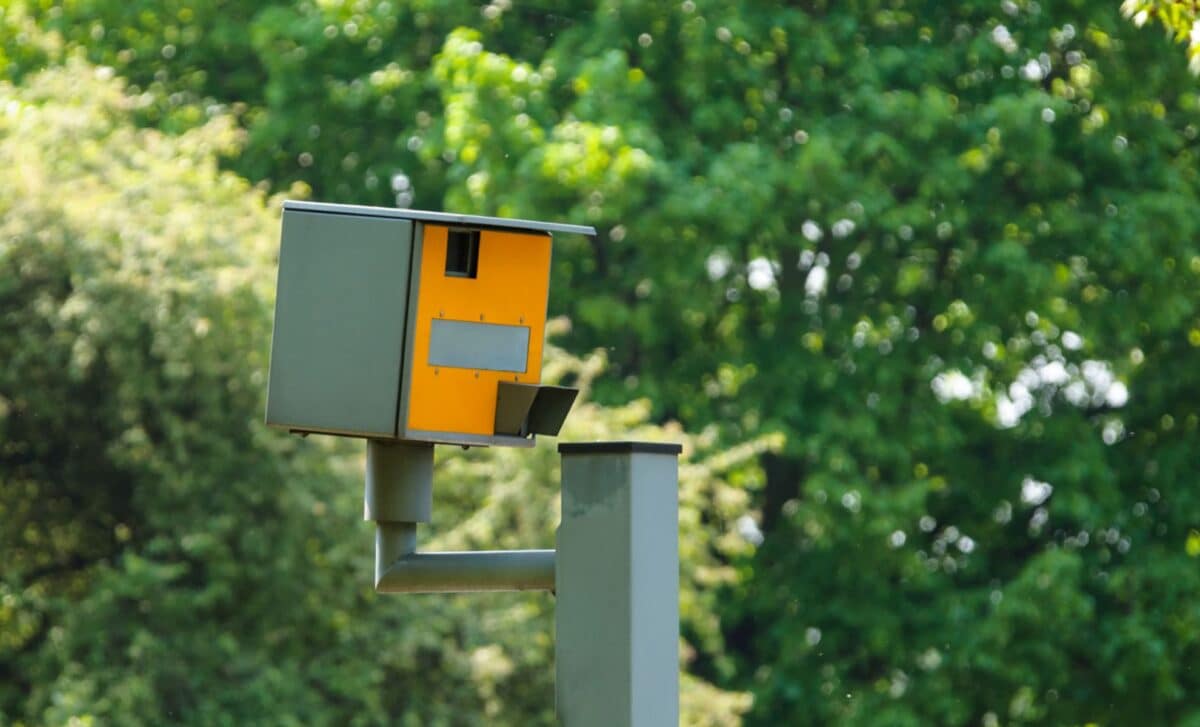
Transport for London (TfL) has launched a trial of advanced radar-based speed cameras at up to 10 sites across the capital, in what officials describe as a major step toward modernising the city’s road safety infrastructure. The cameras, which use 4D imaging radar combined with a 4K colour sensor, operate without visible flash or white light and require no in-ground sensors or road markings, making them considerably harder to detect than their predecessors.
The initiative comes as TfL and the Metropolitan Police Service intensify their commitment to the Vision Zero strategy, an ambitious programme aimed at eliminating deaths and serious injuries on London’s roads. According to TfL, speed was recorded as a contributing factor in roughly half of all fatal collisions in London in 2024, a figure that continues to drive pressure on enforcement agencies to upgrade their capabilities.
A Leap Forward in Detection Technology
The new cameras represent a meaningful technical departure from the current generation of speed enforcement equipment. Existing spot speed cameras rely on sensors embedded beneath the road surface and can monitor up to three lanes of traffic travelling in a single direction. The new units, by contrast, can cover as many as five lanes of bi-directional traffic from a single installation, roughly doubling effective coverage while reducing infrastructure requirements.
The technology also produces significantly higher-quality imagery, which TfL says will improve the police enforcement process for drivers caught speeding. Siwan Hayward, TfL’s Director of Security, Policing and Enforcement, noted that “upgrading our camera network is vital to maintaining strong, consistent enforcement,” adding that the trial would help determine whether the technology meets London’s longer-term operational needs.
Detective Chief Superintendent Donna Smith, of the Met’s Roads and Transport Policing Command, echoed that assessment, saying the improved image quality would help officers “hold offenders to account” and ensure a more modern and effective enforcement system. The cameras will be deployed across nine boroughs, Haringey, Tower Hamlets, Havering, Croydon, Hammersmith and Fulham, Brent, Hackney, Ealing and Sutton, all on roads with either 20mph or 30mph speed limits, selected on the basis of risk and suitability.
Broader Road Safety Ambitions
The camera trial forms part of a wider enforcement push outlined in TfL’s newly published Vision Zero Action Plan 2. According to TfL, the plan commits to expanding the safety camera network to at least 20 new locations, chosen based on speeding risk or persistent community concerns. It also sets a target of delivering at least 65km of safer speed limits across the TfL road network.
The rollout is not limited to speed detection. TfL is also working with the Met to trial AI-enabled cameras that can identify drivers using mobile phones or failing to wear seatbelts, alongside new technology targeting illegal number plates and enhanced roadside drug-testing equipment.
The Institute of Advanced Motorists welcomed the new cameras as an “opportunity to change behaviour,” particularly given what it described as poor compliance with 20mph limits in London, while also calling for enforcement to extend to mobile phone use at the wheel. TfL confirmed there is no fixed end date for the trial, with results to be assessed on an ongoing basis.