The payment is designed to provide extra help during extended cold spells, but some campaigners and financial support organisations say it has not kept pace with rising household energy costs. As winter pressures continue to affect vulnerable households, the debate over whether the scheme should be updated has intensified.
The Cold Weather Payment scheme is administered by the Department for Work and Pensions (DWP) and runs from 1 November to 31 March each year. When the average temperature in a local area is recorded or forecast to be zero degrees Celsius or below for seven consecutive days, eligible households automatically receive £25 to help with heating costs.
According to information published on the UK Government website, the payment is made directly into the same bank or building society account used for benefit payments, usually within 14 working days of the cold weather trigger.
Scheme Covers Millions of Benefit Claimants during Winter Months
The Cold Weather Payment is available to people receiving a number of income-related benefits. These include Pension Credit, Income Support, income-based Jobseeker’s Allowance, and income-related Employment and Support Allowance. People claiming Universal Credit may also qualify, as well as those receiving Support for Mortgage Interest.
Because the payment is linked to local weather conditions, households may receive more than one payment during the winter period if several prolonged cold spells occur in their region. According to the UK Government’s official guidance, each qualifying cold period results in a separate £25 payment.
The system relies on weather monitoring stations across the country, which track temperature averages over consecutive days. If the threshold is reached, the payment is triggered automatically without the need for claimants to apply.
In Scotland, the approach has been modified in recent years. The Cold Weather Payment has been replaced by the Winter Heating Payment, which provides a single seasonal payment regardless of temperature conditions. According to information published by the Scottish Government, the payment is worth £59.75 and is issued between December and the end of February to people receiving qualifying benefits.
Rising Energy Prices Fuel Debate over Payment Level
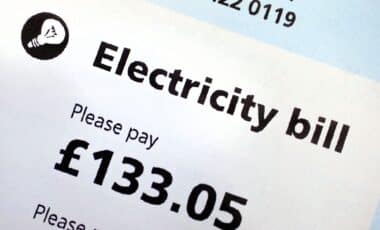
The adequacy of the £25 payment has become a growing concern among financial support organisations, particularly as energy costs remain high. Matthew Sheeran, external relations manager at the financial support group Money Wellness, said the payment no longer reflects the real cost of heating during cold spells.
According to comments reported by the Express, Sheeran said that £25 “just doesn’t go very far anymore”, adding that for many households it barely covers the heating costs of a single week. He suggested that increasing the payment to between £40 and £50 could provide more meaningful support for people struggling to keep their homes warm.
Concerns have also been heightened by fluctuations in global energy prices. In particular, rising oil prices linked to conflict in the Middle East have increased the cost of heating oil for households that are not connected to the gas grid. Sheeran warned that the rise has been sharp and sudden, with some deliveries costing hundreds of pounds more than just weeks earlier, according to the Express report.
Such increases can hit rural households especially hard because heating oil prices are not covered by the UK’s energy price cap. As a result, any spike in global oil markets can pass directly to consumers. The situation, observers say, has reignited discussion about whether existing winter support schemes remain sufficient as energy markets and household costs continue to shift.