Energy suppliers across the country are adjusting their tariffs in response to rapidly rising wholesale costs. At the same time, customers are being urged to review their current deals as the market becomes more volatile and options to switch diminish.
Rising Wholesale Costs Push Fixed Tariffs Higher
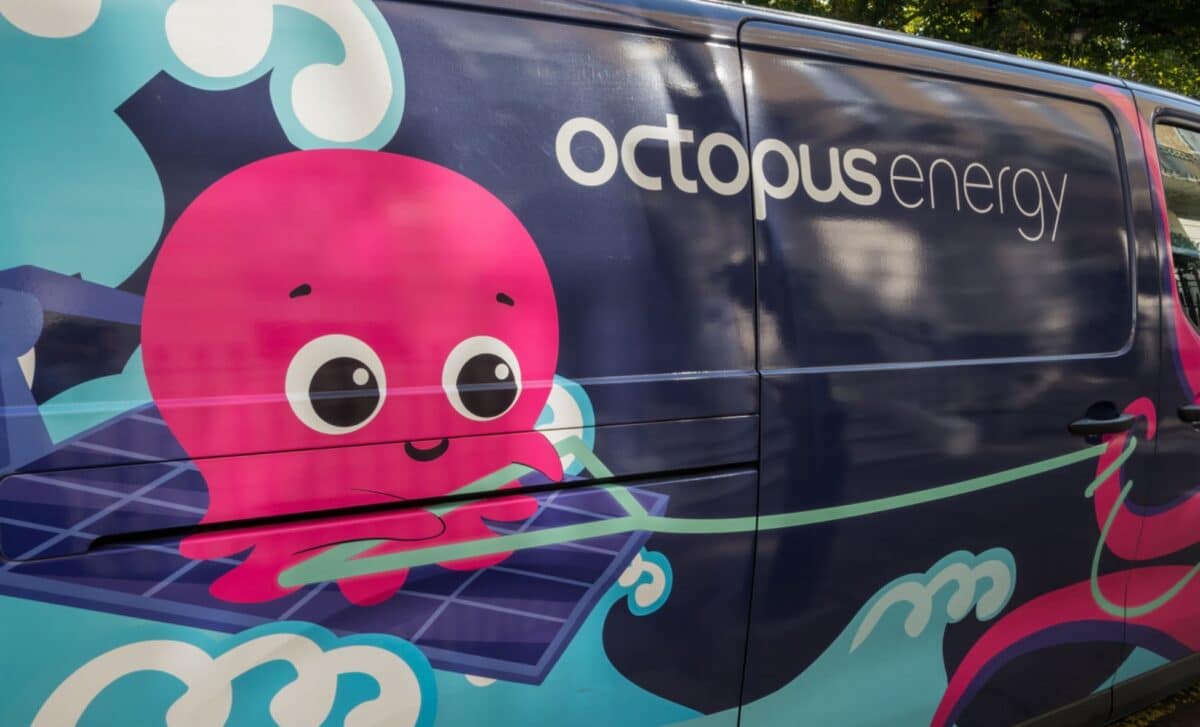
Energy supplier Octopus Energy has warned that its latest fixed tariffs have already risen by around £200 within days, reflecting a sharp increase in global gas prices linked to ongoing conflict in the Middle East. According to the company, the tensions have triggered a surge in wholesale gas costs, which suppliers must pay before selling energy to households.
The impact has been swift across the UK retail market. According to data from price comparison service Uswitch, the number of available fixed-price energy deals has fallen by more than half since last weekend as suppliers withdraw or reprice tariffs in response to the volatile market.
Octopus Energy noted that the situation remains unpredictable, telling customers that future prices will largely depend on how the regional conflict evolves. The company said it is impossible to know whether tariffs will continue to rise or fall in the coming weeks.
Households already on fixed deals are largely shielded from the immediate increases because their rates remain locked in for the duration of the contract. Octopus Energy advised that customers with several months remaining on their fixed tariff may be better off staying put rather than switching to currently higher-priced deals.
For those on flexible tariffs or approaching the end of a fixed contract, the supplier suggested considering a new 12-month fix, which it says would leave customers paying roughly similar levels to the current energy price cap. Still, the company warned that such tariffs include exit fees, meaning customers would face charges if they wanted to change deals again within the next year.
Policy Change Set to Reduce Bills from April
Alongside rising wholesale costs, households are also set to receive some financial relief through a policy change that will reduce certain charges on energy bills. From 1 April, a long-running energy efficiency programme introduced under the previous Conservative government will be scrapped, leading to lower levies on electricity and gas.
Major suppliers including Octopus Energy, British Gas, E.ON, OVO and EDF have confirmed they will pass these savings on to customers. According to Octopus Energy, the change will reduce the unit rates paid by households, with the exact saving depending on usage and tariff type.
The company estimates that households on a variable tariff set at the maximum energy price cap could see savings equivalent to around £117 a year for a typical medium-sized home. Customers on fixed tariffs could see annual savings closer to £130, reflecting the reduced levies embedded within the unit price of energy.
Despite these reductions, analysts warn that the broader outlook remains uncertain. Energy experts have indicated that if wholesale gas prices stay elevated, Ofgem’s energy price cap for July could increase. According to industry observers cited in the report, the price cap will continue to shield households from immediate spikes until the start of July, regardless of developments in the Middle East.