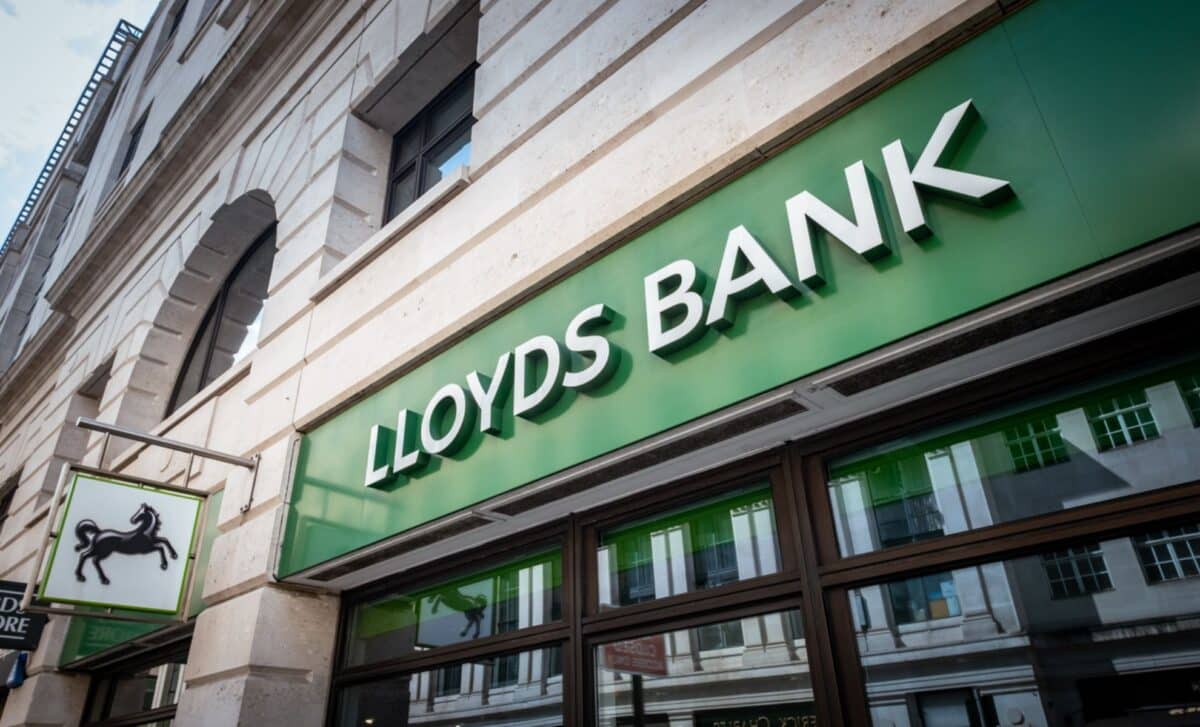
According to figures reported by the Express, the latest wave of closures will see 70 Lloyds branches and 38 Halifax branches disappear from town centres and shopping parades between now and the end of the year. The announcements follow a sustained period of contraction for the UK’s brick-and-mortar banking network, as lenders continue to pivot towards digital-first strategies.
While the industry points to a surge in mobile app usage as justification for the downsizing, the decisions have consistently raised concerns about the impact on elderly customers and those in rural areas who still rely on face-to-face interactions for their banking needs.
Lenders Accelerate Digital Shift amid Changing Customer Habits
The rationale behind the sweeping closures, according to the group behind the Halifax and Lloyds brands, is rooted firmly in the evolving habits of its customer base. A growing preference for managing finances via smartphones and online portals has rendered many physical outlets commercially unviable. The banking giant has sought to reassure customers that despite the reduction in its physical footprint, access to essential services will not be compromised.
In a statement provided to the Express, a spokeswoman for Lloyds emphasised the alternatives available. “From our leading apps and 24/7 messaging service to local banking options like our community bankers, PayPoint and access to all of our Lloyds, Halifax and Bank of Scotland branches, we’re giving our customers the flexibility to bank wherever and whenever they need us,” she explained.
The closures will be phased in over the coming months, with a significant number of branches slated to shut their doors before the summer officially begins. The affected locations span the length and breadth of the UK:
- Bangor (Northern Ireland) – closing May 29
- Barrow-in-Furness – closing September 10
- Bexleyheath – closing October 23
- Birmingham – Bearwood – closing March 2
- Nelson – Lancashire – closing March 4
- Peterlee – closing March 3
- Sleaford – closing March 12
- Buxton – Spring Gardens – closing October 10
- Camborne – closing October 7
- Ashington – closing March 6
- Ashton-under-Lyne – closing June 1
- Billingham – closing June 4
- Bognor Regis – closing June 15
- Bridgend – closing June 11
- Cardiff – Roath – closing June 11
- Chichester – closing June 1
- Chroley – closing June 24
- Croydon – closing June 25
- Cwmbran – closing June 2
- Ellesmere Port – closing June 8
- Goole – closing June 17
- Greenford – closing June 16
- Halesowen – closing June 17
- Horsham – closing June 2
- Leeds – Bramley – closing June 15
- Liverpool – Hunts Cross Shopping Park – closing June 8
- London – Hammersmith – closing May 28
- London – Pentonville – Chapel Market – closing May 27
- London – Surrey Docks – Russell Place – closing June 2
- Manchester – Didsbury – closing June 10
- Nottingham – Beeston – closing June 4
- Nottingham – West Bridgford – closing June 16
- Shipley – closing June 9
- Skelmersdale – closing May 27
- Southgate – closing May 2
- Sutton Coldfield – closing June 3
- Thornaby-on-Tees – closing June 17
- Torquay – Lymington Road – closing July 9
The group confirmed that in many instances, basic counter services will be migrated to local Post Office branches to maintain a level of in-person provision.
Concern for Vulnerable Customers as In-Person Options Dwindle
Despite the reassurances from the banking sector regarding digital alternatives, the continued programme of closures has inevitably drawn scrutiny. Organisations representing consumers have consistently warned that not everyone is able or willing to transition to online banking.
For older generations, those with disabilities, or residents in areas with poor internet connectivity, the loss of a local branch can present serious practical difficulties. The Express report highlights that this concern remains a central point of contention, with the needs of vulnerable customers frequently cited in discussions about the future of high street finance.
Tracking the diminishing network has become a task in itself. LINK, the organisation established to ensure continued access to cash across the UK, has been compiling a live list of closures for all major banks to help customers stay informed. With more than 100 closures scheduled before the arrival of autumn, the physical landscape of British banking is set to look markedly different by the time 2026 draws to a close.