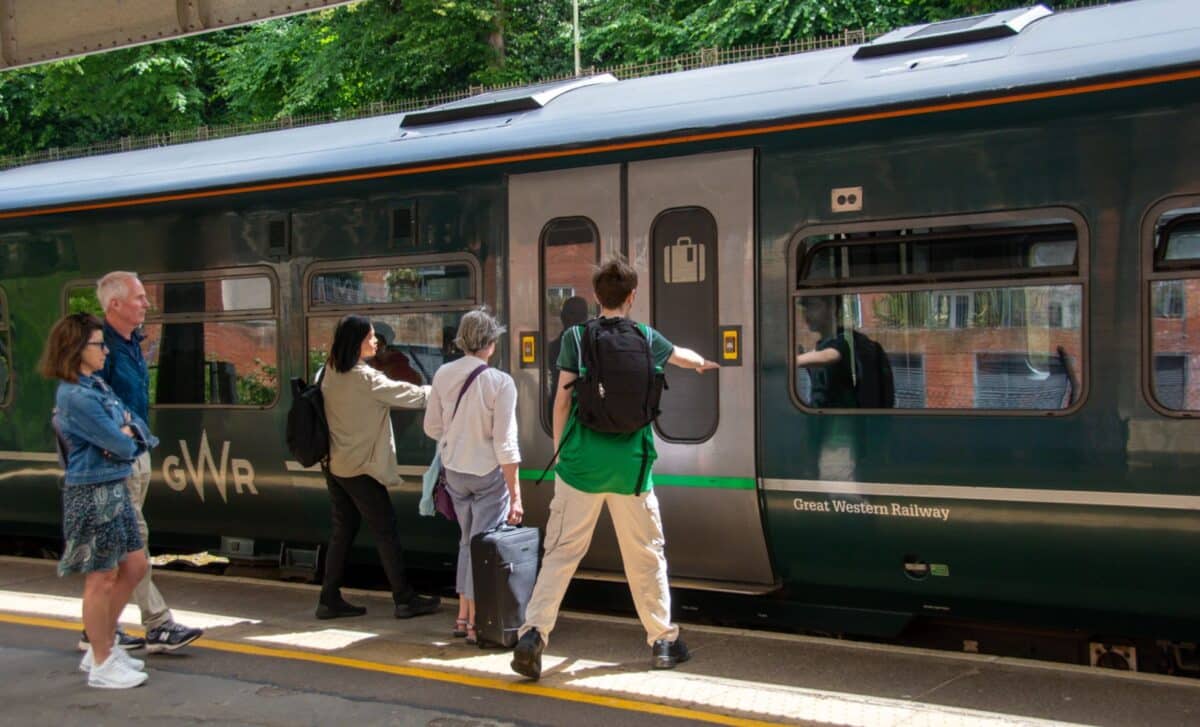
The decision, announced by the HM Treasury and the Department for Transport, marks a significant intervention in a system where regulated fares have risen by roughly 60 per cent since 2010. With transport accounting for about 14 per cent of household spending, the freeze is being framed as part of a broader effort to ease cost-of-living pressures while supporting economic activity in city centres.
According to government figures, the freeze will benefit more than a billion passenger journeys annually. Peak commuter returns, season tickets and off-peak returns between major cities will remain at current prices, preventing the scheduled rise from taking effect.
Government Frames Freeze as Cost-Of-Living Support
Chancellor Rachel Reeves confirmed that fares would be frozen at the Budget, stating that passengers would not pay more for season tickets or regulated returns this year. According to the Treasury, the move is intended to “ease the pressure on household finances” and help limit inflation by holding down a significant component of everyday expenditure.
Transport Secretary Heidi Alexander said commuters on some of the busiest routes would save more than £300 annually. Government examples indicate that a typical commuter travelling three days a week using flexi-season tickets could save £315 a year between Milton Keynes and London, £173 from Woking to London, and £57 from Bradford to Leeds.
Prime Minister Keir Starmer described the measure as “putting train travel back into the service of passengers, not profits”. According to official statements, ministers argue that stabilising fares will encourage commuting and business travel, supporting growth in town and city centres after years of disruption.
The freeze applies only to regulated fares in England and to services operated by English train companies. Operators remain free to adjust unregulated tickets, including advance fares and first-class seats.
Passenger groups have welcomed the announcement. According to Transport Focus, the independent watchdog, the decision is “extremely welcome news” for travellers concerned about value for money. The train drivers’ union Aslef said the policy would help “grow our railway”.
Reform Agenda and Funding Questions Remain
The fare freeze sits within Labour’s wider rail reform programme, centred on the creation of Great British Railways (GBR). The forthcoming Railways Bill will establish GBR as a publicly owned body responsible for both track and train operations, ending what ministers describe as years of fragmentation.
According to the Department for Transport, GBR will introduce a new national website and app offering fee-free ticket sales, alongside expanded digital ticketing and pay-as-you-go schemes. The government says these changes aim to simplify fares and improve accountability to passengers and taxpayers.
Alongside the pricing decision, the department has announced changes to refund rules. From 1 April, passengers will only be able to claim refunds for unused tickets before travel, a measure designed to reduce fraud.
Yet longer-term funding remains uncertain. Regulated fares represent a key revenue stream for the railway, which continues to rely on substantial public subsidy following the pandemic. Industry groups have previously warned that sustaining services and investing in infrastructure would require either higher fares, increased taxpayer support or efficiency savings.
Ministers maintain that rebuilding passenger confidence through stable pricing, combined with structural reform under GBR, will deliver better value over time. For now, the freeze represents a rare pause in a decades-long pattern of annual increases, and a clear political statement about the direction of England’s rail policy.