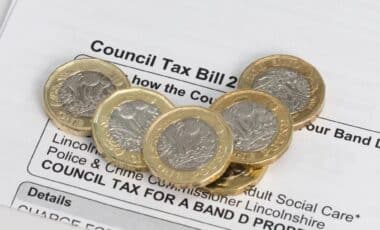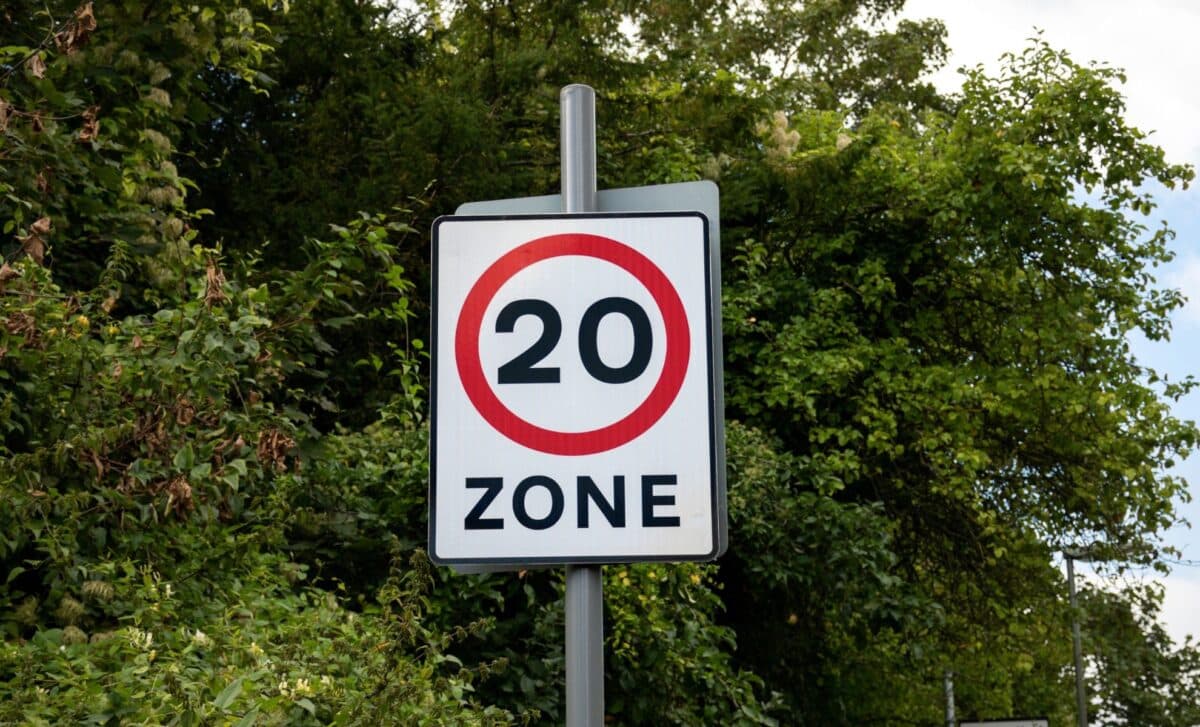
Two councils in Hertfordshire and Gloucestershire are set to raise council tax to the maximum allowed in order to fund the introduction of more controversial 20mph speed limits in residential areas. With strong opposition from some locals, the councils argue that the increased speed restrictions will enhance safety, particularly around schools.
As part of a nationwide trend, these speed limits are being rolled out across various regions, with local authorities insisting that they are a necessary step to reduce road accidents and improve pedestrian safety. However, the move has sparked protests from residents who view the zones as disruptive and an unnecessary imposition on daily life.
Hertfordshire and Gloucestershire’s Council Tax Increases to Fund the Zones
The decision to raise council tax was made to secure the necessary funds to implement more 20mph zones in both counties. According to The Telegraph, Gloucestershire’s Band D council tax will rise by £84 per year, generating £2 million to finance the installation of the new speed limits. Meanwhile, Hertfordshire’s tax increase will also be £84, but £1.5 million of the funds will be allocated specifically for 20mph signage.
Both counties’ councils have argued that the speed limits are essential for the safety of pedestrians, particularly children walking to school. However, the increase in council tax to fund the schemes has sparked criticism. A local Reform councillor in Hertfordshire labelled the initiative as an “unaffordable vanity project,” while Gloucestershire residents have voiced concerns about the disruption these zones could cause. Despite the opposition, the councils maintain that the initiative is in line with national efforts to create safer and more pedestrian-friendly environments.
The Controversy Around 20mph Speed Limits: A National Debate
The introduction of 20mph zones has ignited heated debates across the UK. While some local authorities are expanding these limits, others, such as in Wales, have faced significant backlash. The Welsh Government’s decision to reduce the default speed limit in built-up areas to 20mph in 2023 was met with widespread protests, with many locals signing petitions calling for the policy to be scrapped. According to The Telegraph, nearly 70% of people in Wales opposed the change.
The decision to impose these lower speed limits has been linked to efforts to reduce road accidents and environmental noise. Supporters argue that the new limits protect pedestrians and cyclists, reduce accidents in residential areas, and make local streets safer. However, critics, including former Prime Minister Rishi Sunak, have labelled the policy as an attack on drivers, framing it as part of a “war on motorists.”
In some areas, such as Port St Mary in the Isle of Man, the new speed limits have been successfully implemented, but further plans for expansion are facing resistance. Similarly, in Westmorland and Furness, the local council approved 24 new 20mph zones, expanding the total number across the area to 44. Drivers caught exceeding the limit could face fines of £100, and additional 20mph zones are set to be introduced later this year.
Despite their divisive nature, 20mph zones remain a core part of urban traffic management strategies in many parts of the UK. Councils that have adopted them argue that they are necessary for improving road safety, but the ongoing backlash suggests that public opinion on the issue remains far from settled.