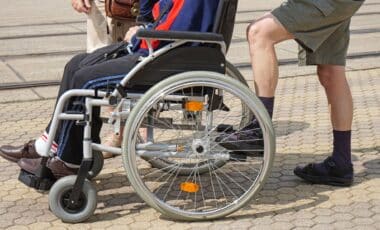
The Department for Work and Pensions (DWP) has announced a 3.8% increase in Personal Independence Payment (PIP) rates for the upcoming 2026/27 financial year. This rise, which will take effect on April 6, 2026, aims to provide vital support for individuals with disabilities across the UK.
The DWP’s confirmation follows a series of adjustments in disability benefits, which also include Disability Living Allowance (DLA) and Attendance Allowance. The updated payment rates mark an important step for claimants, offering a much-needed boost to help cover daily living and mobility costs.
What the 3.8% Uplift Means for PIP Recipients
From April 2026, PIP will be paid at significantly higher weekly rates, with adjustments made to both the daily living and mobility components of the payment. According to the DWP, the enhanced daily living component will rise from £110.40 to £114.60 per week, while the standard rate will increase from £73.90 to £76.70. In addition, the mobility component will also see a boost, with the enhanced mobility rate moving from £77.05 to £80.00, and the standard rate rising from £29.20 to £30.30.
These changes represent a modest yet significant increase in the financial support available to those who rely on PIP. With payments typically made every four weeks, this adjustment translates into a rise of between £121.20 and £778.40 every pay period, depending on the individual’s entitlement.
Claimants receiving both components of PIP could see even higher increases, with the potential for a maximum weekly payout of £194.60 (enhanced daily living and enhanced mobility). According to the DWP, the updated rates will be communicated to all claimants prior to the April 6 date, providing individuals with clarity on their new payment amounts.
How the Rise Affects Other Disability Benefits
Alongside PIP, other disability benefits such as Disability Living Allowance (DLA) and Attendance Allowance are also set to rise by 3.8% in the 2026/27 financial year. The Scottish Government has confirmed that devolved benefits, including Adult Disability Payment (ADP) and Child Disability Payment, will follow suit with a similar increase.
This rise will apply to claimants in both England and Scotland, reflecting a wider effort to adjust disability benefits in line with rising living costs. According to the Scottish Government, this increase will help to provide vital financial support for those who may be facing challenges due to disability or long-term health conditions.
While these adjustments are welcomed by many, experts caution that they must be viewed in the context of broader changes within the social care sector. According to reports, disabled people have been facing significant delays in receiving support from the DWP, with some experiencing waiting times of up to 109 days. Despite the increase in rates, challenges within the system may still persist.
In this climate, advocates for disabled people continue to push for further reform, stressing that improvements must go beyond payment adjustments to tackle the systemic issues that affect disabled claimants on a daily basis.
For most claimants, the key takeaway from the DWP’s announcement is the increase in weekly PIP payments, which should help alleviate some of the financial pressure faced by those with long-term health conditions or disabilities. However, it is important to remember that the new rates will not be applied until April 6, 2026, and claimants should expect to receive a letter from the DWP detailing their updated payments ahead of time.