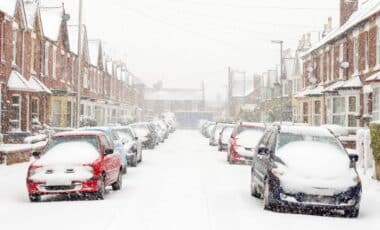
A major snowstorm is set to hit the UK in just weeks, with weather maps showing heavy snowfall and blizzard conditions that could bury parts of the country under up to 61cm of snow. This “snow bomb,” expected to arrive on February 20, has led to widespread concern, particularly for regions in the north and higher ground in Scotland. The storm’s scale and timing have been predicted with increasing certainty by weather agencies, and its potential impacts on transport and daily life are already drawing attention.
As the UK braces for another winter storm, early predictions have been replaced with upgraded forecasts, and the arrival of extreme weather is no longer in question. Following a milder set of snow showers earlier in February, a much stronger and more disruptive snow event is now on the horizon. The expected conditions will affect large parts of the UK, raising alarms for those who could be impacted.
A Blustery Forecast for Northern Regions
According to WX Charts, the snowstorm arriving on February 20 is expected to intensify quickly. In the early hours of that morning, snow will begin spreading southwards, though the most significant impact will be seen in the northern and higher grounds of Scotland. Areas at risk could experience snow accumulations up to 61cm, potentially leading to dangerous conditions.
In addition to heavy snow, the storm could bring blizzard-like conditions, further complicating transport and safety in affected areas. The Met Office has warned that these extreme conditions could result in isolated communities being snowed in, as snowdrifts may block roads and disrupt daily routines. For some parts of northern Scotland, the forecast predicts that these snowfall levels will be the most severe since last winter, prompting local authorities to issue precautionary measures.
Although the impact will be most severe in the north, southern England could also experience a significant drop in temperatures. By the end of the week, cold air will begin moving southwards, potentially affecting regions that are not typically subject to harsh winter weather. Despite the forecasts, the worst of the storm is expected to remain concentrated in northern areas.
A Milder Forecast Before the Storm
While the snowstorm on February 20 is certainly the most severe forecasted weather event, the days leading up to it will bring their own set of winter challenges. According to the BBC Weather team, snow showers and rain will affect southern areas, and parts of northern Scotland will see intermittent snow flurries. However, the overall conditions during this period are expected to be milder compared to the extreme cold expected later in the month.
The Met Office’s predictions for the period between February 7 and February 17 suggest that temperatures will remain close to average in many areas, with occasional dips in the south as cold air moves down from the north. By mid-February, snow may still affect some regions, but it will be less intense than the snowstorm set for February 20.
For most of the UK, the weather will be characterized by fluctuating temperatures and occasional rain, with a slight risk of hill snow in the north. This period will provide a brief respite before the arrival of the more extreme conditions that will define the end of the month.
The outlook for late February and early March suggests that conditions will stabilise to some extent, although uncertainty remains. The possibility of a milder spring, with temperatures slightly above average, is still under consideration by meteorologists. However, given the unpredictability of weather systems, it is likely that cold spells and occasional snow showers will continue to affect the UK, especially in the northern and higher regions.