
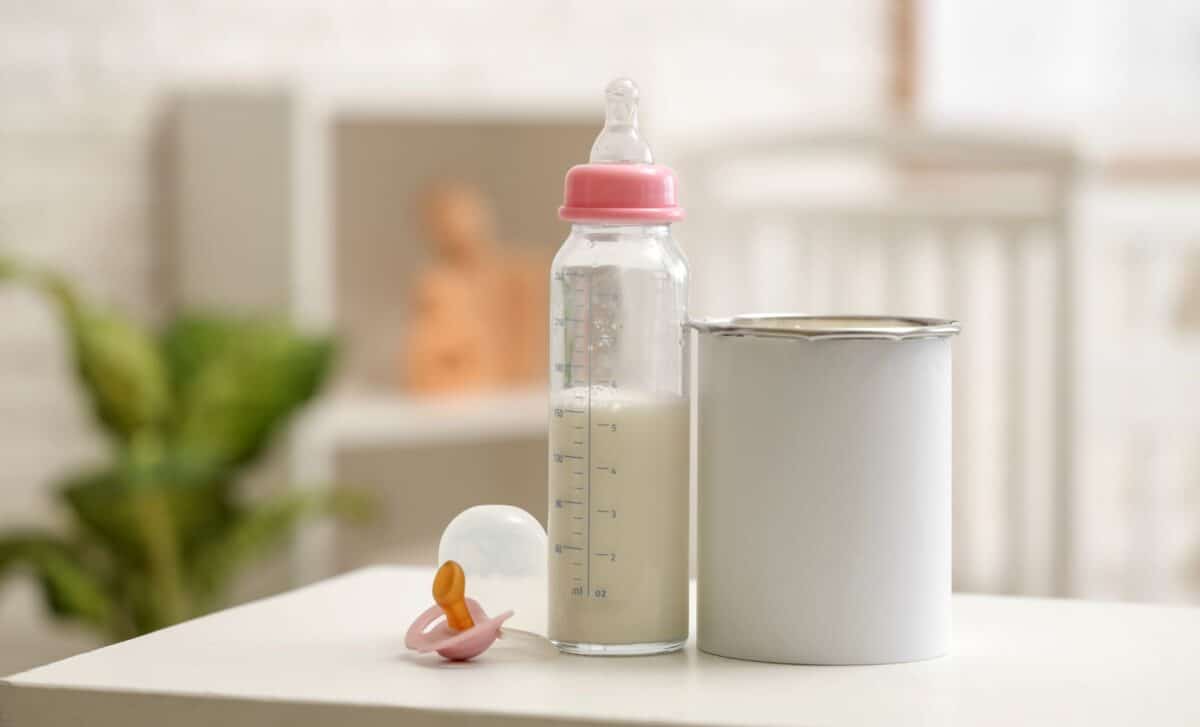
Nestlé has initiated a recall of a fresh batch of its SMA baby formula after it was found to contain a potentially harmful toxin. The cereulide toxin, which can cause food poisoning, was discovered in the formula, prompting concerns over the safety of the product. This recall follows similar actions earlier this year, raising alarms about the quality control of infant food products.
The affected batch, which is part of Nestlé’s SMA Advanced First Infant Milk, was distributed in Northern Ireland and has a best-before date of December 2027. The company has acted swiftly, although it insists no cases of illness have been reported thus far. This incident adds to a series of recalls by major baby food manufacturers, such as Danone, highlighting the increasing scrutiny over food safety in products for vulnerable groups.
The Toxin: A Hidden Threat in Baby Formula
The cereulide toxin, identified in this latest batch of SMA formula, is known to cause nausea, vomiting, and abdominal cramps if consumed. This toxin is produced by Bacillus cereus, a bacteria that can grow in improperly stored food. It has raised significant concerns among parents and health experts alike, particularly because infant formula is considered a vital source of nutrition for non-breastfed babies.
According to the Food Standards Agency (FSA), the toxin was traced back to a third-party ingredient supplier that provides a key component of the formula, arachidonic acid (ARA) oil. ARA is essential for infant development and is commonly added to formula products to replicate the nutritional profile of breast milk. However, the contamination of this ingredient has put a significant number of infants at risk.
The recall was prompted out of an “abundance of caution,” Nestlé explained, in light of the potential dangers posed by the toxin. Despite no confirmed reports of illness, the company has urged consumers to stop using the affected formula and contact their healthcare provider if they have concerns. For parents using formula prescribed by a doctor, the FSA advises consulting a healthcare professional before switching to an alternative product.
Global Impact of the Recall: What Parents Need to Know
This is not the first time in recent months that a major baby formula brand has been involved in a recall. In January 2026, Danone also recalled a batch of its Aptamil formula, also due to potential cereulide contamination. According to the FSA, although only one batch was affected in the UK, other batches in different countries were also impacted. This highlights an ongoing issue within the supply chain, specifically concerning third-party ingredient suppliers who are responsible for a large proportion of the contamination.
In response to the current situation, the FSA has urged parents who have purchased any of the affected batches to stop using them immediately. It has also recommended that they switch to alternative formulas and seek medical advice if their child has already consumed the product. More detailed information about the affected batches can be found on the Food Standards Agency website and on Nestlé’s own recall page.
While Nestlé and other manufacturers have moved to reassure the public, the ongoing recalls suggest that food safety in this sector remains a significant challenge. With vulnerable populations like infants relying on these products for essential nutrition, it is crucial that companies act swiftly and effectively to prevent future incidents.