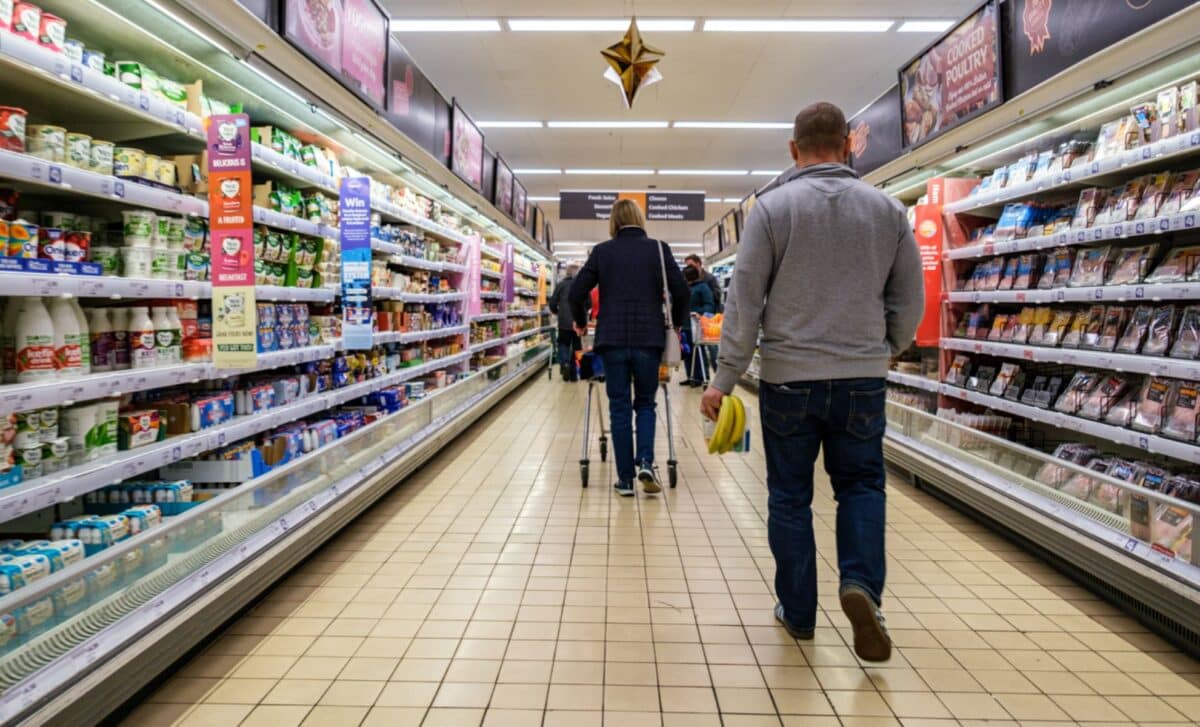
Shoppers in the UK are expected to encounter a very different supermarket landscape in 2026, with major retailers expanding their physical presence and revamping their product lines.
Several leading supermarket chains are bucking the national pattern of retail closures with plans to open dozens of new locations across the country this year. Simultaneously, changes to product offerings on shelves signal a growing emphasis on health-conscious and practical choices.
Frozen Goods and Fibre-Rich Foods Take Priority on Supermarket Shelves
As supermarkets adjust to a more price-sensitive and health-aware customer base, 2026 is seeing a marked shift towards food ranges that offer both convenience and improved nutrition. Supermarket giants including Tesco, Sainsbury’s and Waitrose are introducing a broader selection of frozen goods, which are gaining popularity due to their value, reduced waste and increasing quality.
“Frozen will continue to grow off the back of last year’s growth,” said Joe Woolf of food marketing firm The Discovery Stand, adding that the appeal lies in both financial and environmental savings. Waitrose has reported a 322% rise in specialist frozen items over the past year, while Tesco has updated its Finest frozen range for the first time since 2018. These changes are not limited to premium lines, frozen vegetables and basic staples are also gaining traction.
Meanwhile, the nutritional focus is shifting towards fibre. According to Waitrose’s 2026 Food & Drink Report, fibre has overtaken protein as the primary concern for health-conscious shoppers. “Fibre in many ways is becoming more important than protein in the eyes of consumers,” said Woolf. This trend aligns with findings from a YouGov and AHDB survey, which revealed that 26% of UK consumers intend to reduce their intake of ultra-processed foods, with 13% specifically aiming to increase their fibre consumption.
Retailers are responding accordingly. Marks & Spencer has already introduced a new nutrient-dense range, while Sainsbury’s is pushing fermented and plant-based options. Caroline Morris of Barbequick noted that the demand is clear: “There’s a real shift towards fibre-rich, gut-friendly foods and plant-based options that don’t feel like a compromise.”
Store Openings Expand despite Wider Retail Downturn
In stark contrast to the general decline of the British high street, some supermarket chains are pressing ahead with aggressive expansion plans. Aldi intends to open 40 new stores in 2026, backed by a £370 million investment. Lidl follows closely, with 19 confirmed new locations and a pending application for a branch in Croxteth.
The new Lidl stores are planned across cities including Birmingham, Reading, and London, while Aldi’s expansion includes towns such as Amersham, Kennington and Hastings. Sainsbury’s, though less aggressive in scale, is also adding to its portfolio with new openings in Witney and other areas.
This wave of expansion comes as retailers seek to meet increased demand for accessible and affordable groceries. Data from The Express points to a rising preference for own-label products, now making up over half of sales at major chains including Aldi, Lidl and Tesco. According to Oisin Hanrahan, a supply chain expert, 2026 could mark the moment when own-label products become “star buys in their own right.”