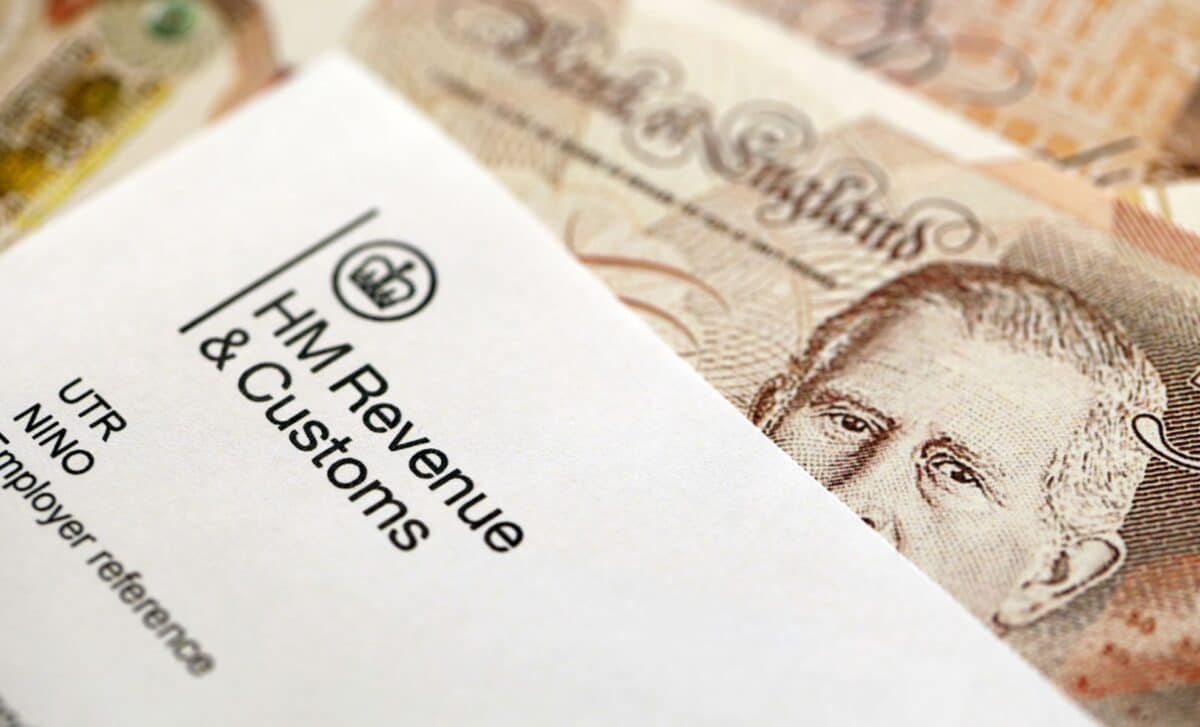
As the HMRC self-assessment deadline of 31 January draws near, company directors and business owners across the UK are being urged to double-check their records. A senior accountant has outlined the most common triggers that can prompt HMRC to open an enquiry into a limited company’s affairs.
At the same time, new data shows that small businesses are collectively investing nearly £5 billion annually in tax software, an indication of growing concern around compliance, especially with new digital tax rules arriving in 2026.
Five Warning Signs That Could Spark an HMRC Enquiry
According to accountant Liam Palmer, there are several recurring factors that can increase the likelihood of an HMRC investigation into a UK limited company. Late submissions of corporation tax, VAT or PAYE filings are one of the primary issues flagged. Repeated amendments to previously submitted tax returns can also attract attention, suggesting inconsistency or lack of clarity in a company’s financial reporting.
Another red flag includes large or long-standing director’s loan accounts, which can be perceived by HMRC as attempts to draw money from the business without proper tax treatment. Palmer also points to business figures that fail to align with online sales records or bank account activity. When there is a clear mismatch between declared revenue and what appears in transaction data, this can prompt further scrutiny.
Perhaps most significantly, a disconnect between a director’s reported income and their personal lifestyle can raise questions. If someone appears to be living beyond their declared means, this could be viewed as a potential indicator of undeclared income or inaccurate tax reporting. According to Palmer, “Understanding these HMRC risk factors helps UK business owners and company directors stay compliant, reduce stress, and avoid unnecessary HMRC enquiries.”
He also notes that while these factors are frequently linked to investigations, HMRC can initiate enquiries at random. “This post is for educational purposes only and is not financial or tax advice,” he clarifies.
Software Spending Rises Ahead of Making Tax Digital Changes
New research commissioned by Monzo reveals that small businesses in the UK now spend close to £5 billion each year on tax and accounting software. This comes ahead of significant changes from HMRC’s Making Tax Digital (MTD) for Income Tax initiative, which will require sole traders and landlords to submit quarterly updates and annual tax returns using recognised digital tools starting from April 2026.
The data also shows that more than a quarter of sole traders (28 percent) express doubts about whether they will be ready in time for the MTD requirements. In response to this, Monzo has launched a free, HMRC-recognised tax tool that is embedded within its business banking app. The service, powered by Sage’s technology, allows users to submit updates directly to HMRC from within the app itself.
Jennifer Staves, Deputy Director of Strategic Design for Making Tax Digital at HMRC, explained that the shift to approved digital platforms will make it easier for people to maintain accurate records. According to her, “Making Tax Digital for Income Tax will help people keep clearer records and get their tax right.” While many companies are expected to continue relying on broader accounting software or professional advisors, the availability of simple, compliant digital tools may help ease the transition for smaller operations with straightforward needs.