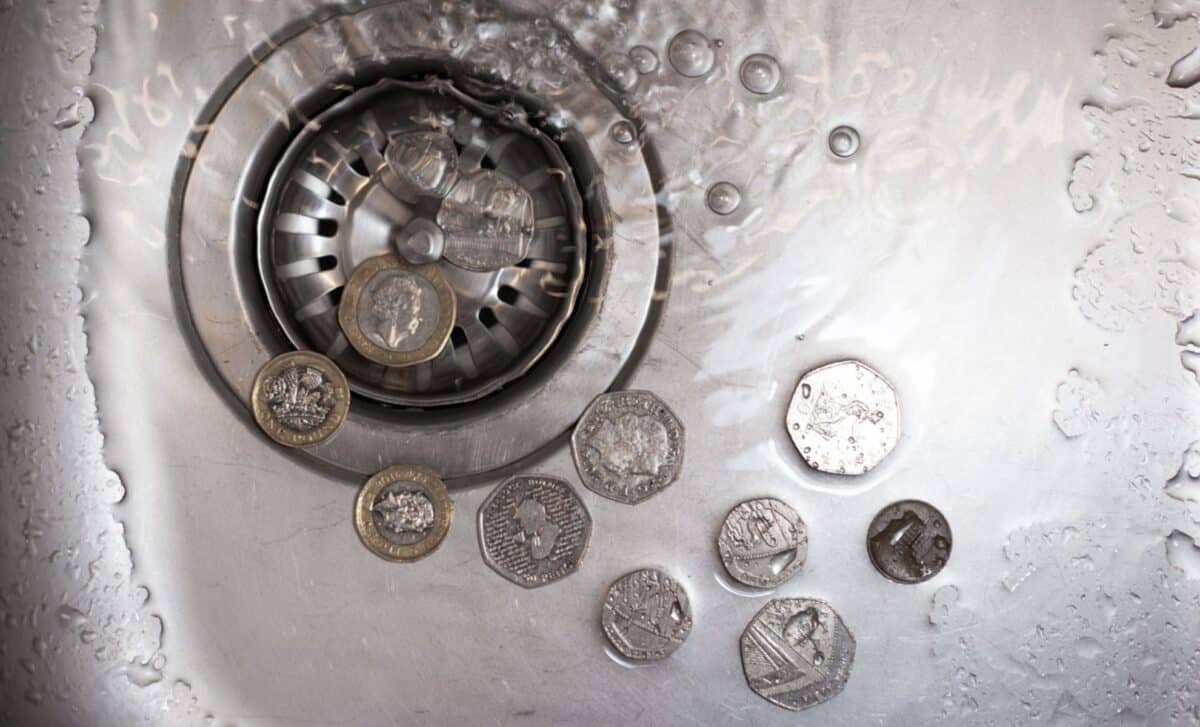
From April 2026, household water bills across England and Wales will increase by an average of £33 a year, as companies prepare for a multi-billion pound infrastructure programme. The rise of 5.4% (two percentage points above the current inflation rate) comes amid growing criticism of the industry’s record on pollution and investment.
Water UK says the increase is necessary to support a £104 billion investment plan aimed at securing long-term water supplies and reducing sewage discharges. The regulator Ofwat has authorised companies to raise bills through to 2030, prompting calls for more financial protection for vulnerable households.
Bills Increase to Fund Record Investment Programme
Water bills for households in England and Wales will rise to an average of £639 annually, an increase of £2.70 per month, according to data published by Water UK. The planned rise follows a steep increase in 2025, with further rises already sanctioned by Ofwat over the next four years. Regional variations are significant, with some customers facing double-digit hikes. Severn Trent bills will increase by 10% to £587, while those served by Affinity Water in the central region will see a 13% rise, bringing their average bill to £266.
According to Water UK, the additional revenue will support ongoing efforts to modernise ageing infrastructure and address environmental concerns. The industry is undertaking a £104 billion upgrade programme to improve water resilience and reduce sewage pollution in rivers and seas. Chris Walters, interim Chief Executive at Ofwat, stated that by 2027, companies are expected to have installed over eight million water meters, replaced nearly 3,000km of piping, and reduced sewage spills by 30% compared to 2024 levels.
Despite assurances that the funds will be ringfenced for essential infrastructure only, public scepticism remains high. According to the campaign group Surfers Against Sewage, nearly a third of customer payments are used to service company debt or pay dividends, raising questions over financial priorities within the privatised system.
Uneven Support for Households Struggling with Rising Costs
While water companies have pledged increased support, concerns over affordability continue to grow. According to the Consumer Council for Water (CCW), complaints about water bills rose by 51% in 2025, primarily driven by concerns around rising charges and limited assistance. The group said that despite more than two million households currently receiving help through social tariffs and the WaterSure scheme, support remains inconsistent across regions.
David Henderson, Chief Executive of Water UK, confirmed that an additional 300,000 households are expected to be brought under affordability schemes in 2026–27, bringing the total to 2.5 million. These households will receive an average discount of 40% on their bills. However, campaigners argue this remains insufficient.
Mike Keil, Chief Executive of CCW, criticised the existing patchwork of support measures, calling for a universal national social tariff to eliminate what he described as a “postcode lottery” in financial aid.
Meanwhile, Independent Age has raised particular concerns for older people on low incomes, who are increasingly forced to cut back on basic water usage. “We regularly hear from people in later life who are making extreme cutbacks to reduce their water costs, including not flushing the toilet, limiting how much laundry they do, and washing in sinks rather than bathing or showering.” said policy manager David Southgate, citing what he described as a missed opportunity in the government’s recent water white paper to address affordability.
Though companies maintain that bills will be refunded if promised improvements are not delivered, dissatisfaction with the industry remains widespread. Environmental groups and campaigners continue to press for broader reforms, warning that current measures may not go far enough to restore public trust or protect the UK’s water environment.