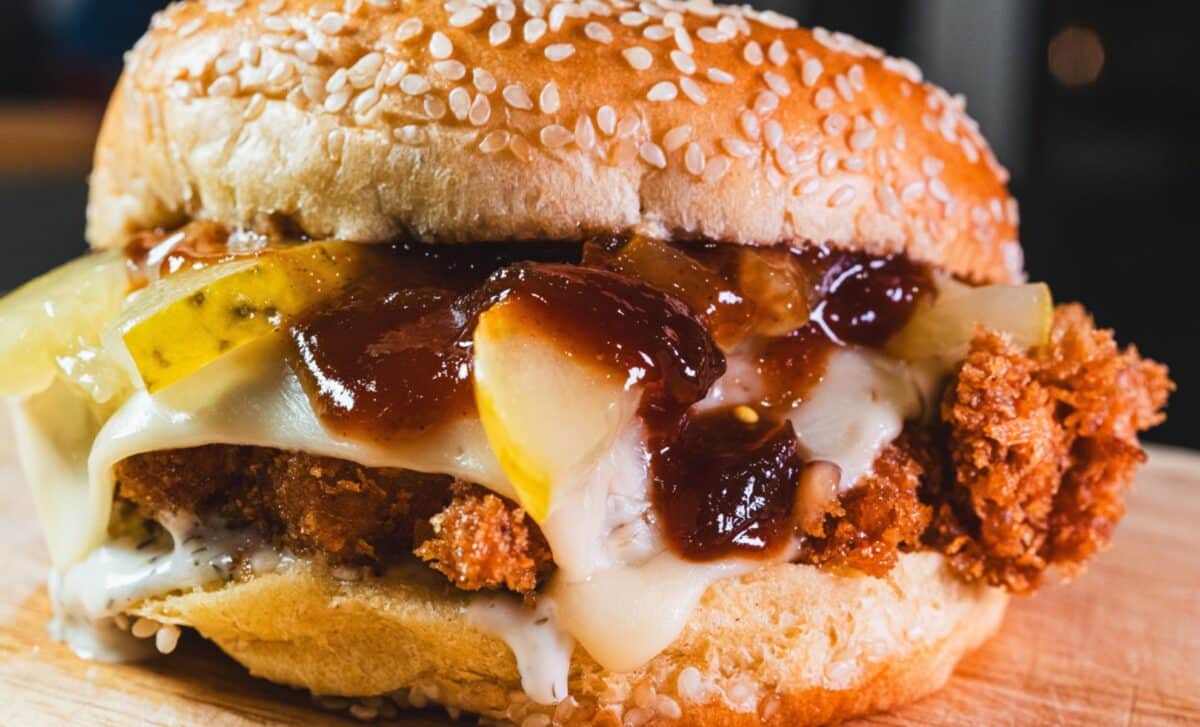
A labelling mistake has prompted Lidl to recall one of its frozen chicken products across England, Wales and Scotland. The error may pose a serious health risk to shoppers with a specific food allergy.
Lidl has apologised after discovering that its Red Hen Gastro 2 Southern Fried Chicken Thigh Burgers failed to highlight the presence of celery on the label. The Food Standards Agency (FSA) has issued a public warning, urging people with a celery allergy not to consume the affected item.
Mislabelled Ingredient Sparks Urgent Safety Alert
The recall was issued on Tuesday, 27 January, following concerns that the frozen 330g pack of Red Hen Gastro 2 Southern Fried Chicken Thigh Burgers contains celery, which is not clearly listed in bold text on the ingredients label. The oversight could be dangerous to individuals with a celery allergy, prompting the FSA to classify it as a potential health risk.
According to the FSA, the recall covers all use-by dates for the product in question. The agency said: “This product contains celery making it a possible health risk for anyone with an allergy to celery.” Lidl has echoed the warning, advising any customers who have bought the product and have a celery allergy not to eat it and to return it to a Lidl store for a full refund.
Lidl’s statement read: “If you have bought the product and have an allergy to celery, we advise you not to eat it We apologise for any inconvenience caused and thank you for your cooperation.” According to Lidl, no other Red Hen products are affected by this issue. Customers looking for further information are encouraged to contact Lidl’s customer care line on 0203 966 5566 or via email at [email protected].
Celery Allergy Rare but Potentially Severe
While celery allergy is considered relatively uncommon in the UK, reactions can range from mild to severe. According to Anaphylaxis UK, celery can provoke strong allergic responses, particularly in those already sensitive to pollen. People with pollen food syndrome, for example, may be more susceptible to reacting to celery due to similar protein structures between pollens and certain plant-based foods.
Celery is frequently used in food products in various forms, including as seeds or salt, which means those with an allergy must be especially vigilant. According to Anaphylaxis UK, individuals may experience symptoms after contact with any part of the plant, and the reactions are not limited to raw forms, cooked or processed versions can also be problematic.
The FSA’s guidance aims to ensure those at risk are protected and properly informed. The agency maintains a database of allergen alerts and product recalls on its website to help consumers stay updated. For this particular recall, the emphasis has been on the lack of bold labelling, which is standard practice for highlighting allergens under UK food safety laws.
This incident adds to a series of recalls in recent months where allergen labelling has come under scrutiny. As food manufacturers navigate complex ingredient lists and packaging processes, public health agencies remain alert to ensure that labelling errors are quickly identified and addressed.