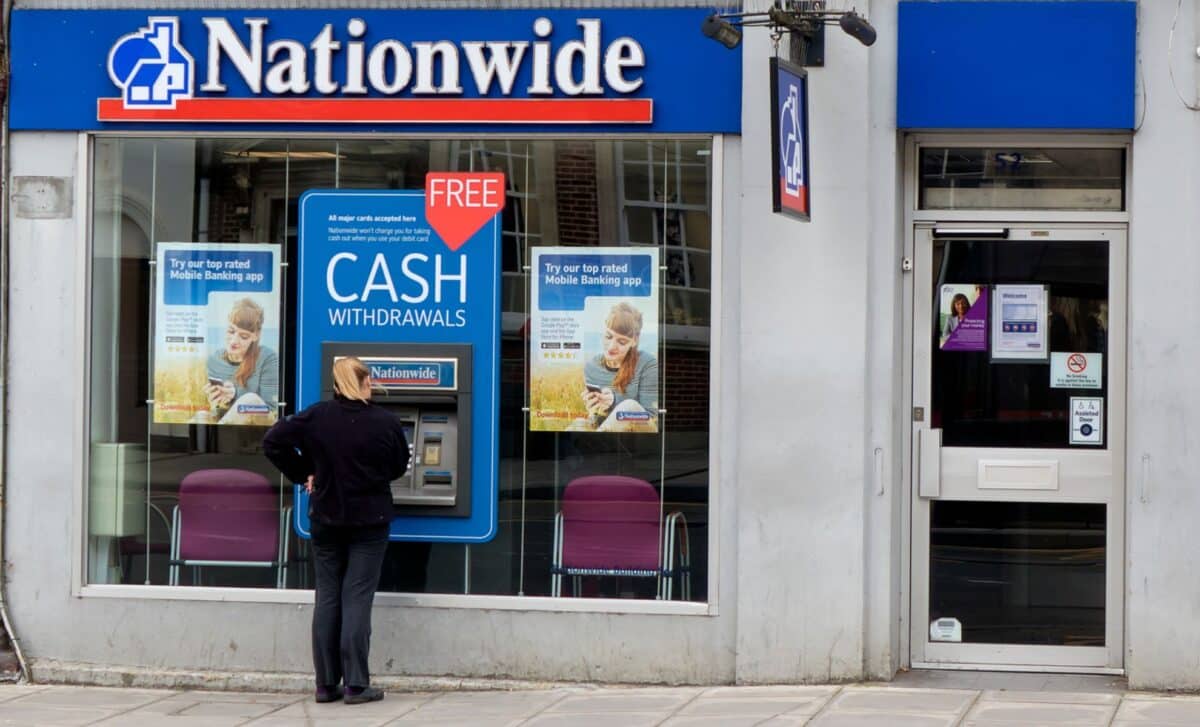
Millions of UK bank customers are being urged to adopt simple fraud-prevention tools as cases of financial scams continue to climb. Nationwide, which serves 16 million people, has issued updated guidance for verifying calls and identifying fraudulent requests, particularly those made under emotional pretences.
This advice comes amid a growing threat from scammers impersonating banks and manipulating individuals in online relationships. According to data from UK Finance, tens of millions of pounds were lost to romance scams in the first half of 2025 alone. Banks have responded with new features to help people detect and avoid deception before any money changes hands.
Scam Call Verification Tools Now Rolled Out across Major UK Banks
Nationwide has joined a growing number of financial institutions urging customers to verify incoming calls through built-in app features. These tools, now active across a range of banks, are designed to flag potentially fraudulent contacts within seconds, offering a simple but effective layer of defence.
According to guidance from Nationwide, its customers can access the “Call Checker” function by selecting “More” within the app, which immediately confirms whether they are speaking with a legitimate representative. If not, a warning message will appear, reading, “You’re not on a call with us.”
Other banks have introduced similar systems. Barclays offers a feature where users can request an “App ID” notification to verify the caller’s identity. This appears as a secure alert inside the bank’s app. Monzo and Starling also provide real-time call status updates within the app’s interface, enabling users to check whether an active call is legitimate. Meanwhile, Revolut automatically alerts users with a message reading “We are not talking to you” if the call is not from a verified agent. Customers can also initiate a secure in-app call for additional assurance.
For banks that do not yet provide such features, individuals are advised to hang up and dial 159, a dedicated service that connects users to their bank’s fraud team. According to Which?, this service is supported by banks including HSBC, Lloyds, NatWest, Santander, and TSB, among others.
Nationwide Warns of Rise in Romance Scams amid £20.5 Million Losses
Alongside the push for real-time call verification, Nationwide has also issued a separate warning regarding romance scams, a growing form of financial fraud in the UK. According to the UK Finance Half Year Fraud Report, £20.5 million was lost to romance-related scams between January and June 2025, an increase of 35% compared to the same period in 2024.
Nationwide explicitly cautions against sending or receiving money within online relationships, stating that even seemingly benign reasons, such as medical costs or travel expenses, are often fabricated. “These are lies,” the building society warns on its official platform, adding, “They are not who they say they are.”
The warning highlights how scammers typically exploit trust over time, using emotionally manipulative language and personal appeals. Fraudsters often pressure their victims to keep the relationship secret, use generic pet names such as “angel” or “babe,” and attempt to shift communication away from secure dating platforms. Nationwide advises customers to remain on reputable apps, insist on video calls or meetings, and consult friends or family if unsure.
Customers are also reminded to use Nationwide’s Scam Checker service if they feel unsure about any payment being made. This can be accessed via the bank’s customer service or in-branch, where staff can help verify if a transaction is genuine. While the financial tools now available offer a new line of defence, the core message remains: verify first, transfer later.