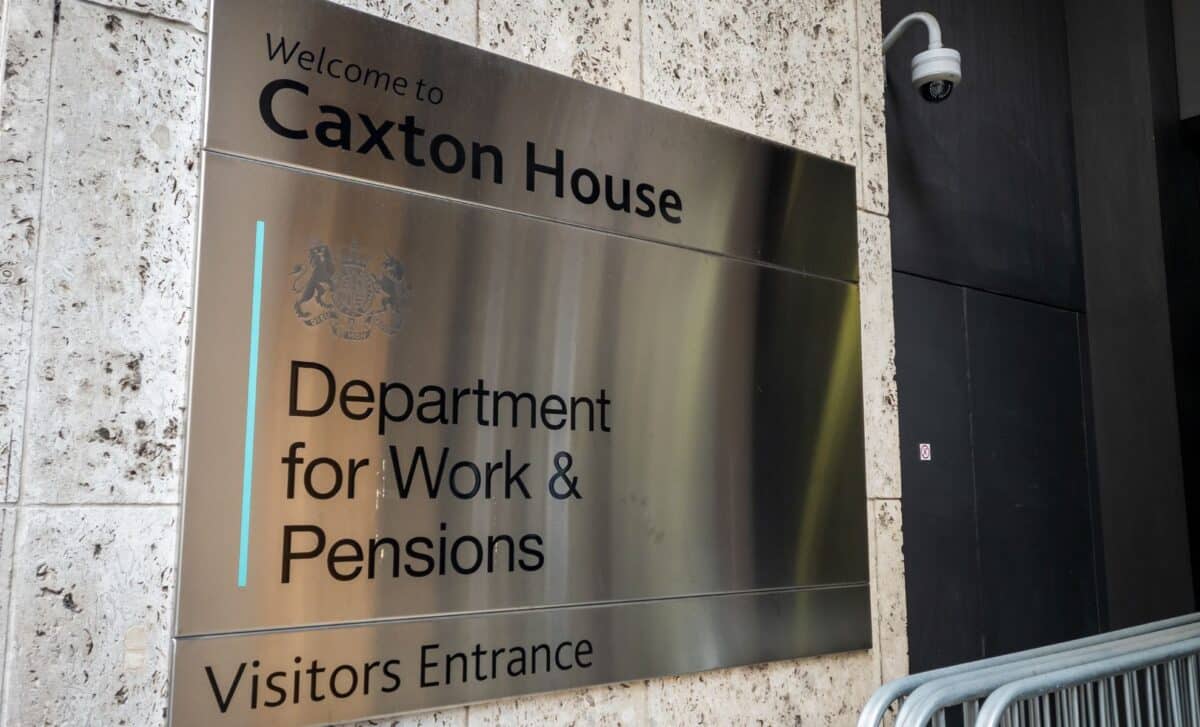
The Department for Work and Pensions (DWP) has announced the national rollout of its WorkWell programme, a scheme designed to support people with health conditions in staying employed or re-entering the workforce. Initially piloted in select regions, the programme will now be extended across England, with the aim of reaching up to 250,000 participants.
This expansion forms part of the government’s broader Plan for Change, which focuses on boosting economic participation and addressing barriers to work. As the UK continues to grapple with high levels of long-term sickness-related work absence, the programme seeks to ease pressure on health services while improving individual outcomes.
Health-Led Support Integrated With Local Services
WorkWell is described as a health-and-employment initiative that offers personalised, early intervention for individuals experiencing physical or mental health challenges. According to the Department for Work and Pensions, the programme is designed to integrate closely with NHS services, local councils, and community organisations to ensure a coordinated approach.
Participants are paired with a dedicated Work and Health Coach, who helps them navigate the employment landscape while addressing health-related barriers. Support options may include physiotherapy for mobility concerns, counselling for mental health issues, advice on workplace adjustments, and return-to-work planning.
One of the key principles of the programme is accessibility. According to Chris Luck, Chief Executive of Shaw Trust, which helped deliver the pilot, the initiative “meets people where they are”, with support available in person, over the phone, via video, or even in local venues such as cafés. This flexibility has been described as essential to its success in engaging individuals who may not typically seek out employment support.
The service is open to a wide range of participants, regardless of benefit status, and accepts referrals from various sources including employers, GPs, Jobcentre Plus, local services, or through self-referral. According to the DWP, this “no wrong door” approach ensures that people receive timely help without bureaucratic obstacles.
Pilot Outcomes and Wider Economic Context
The WorkWell initiative builds on a pilot that reportedly assisted over 25,000 people. According to data from the trial, 48 percent of participants cited mental illness as their primary employment barrier, and 59 percent were out of work at the time of their first appointment.
Pat McFadden, Secretary of State for Work and Pensions, highlighted the benefits of early, tailored support: “Too often, people with health conditions are signed off sick without the support they need to stay in or return to work – and that doesn’t help anyone.” He added that WorkWell aims to provide individuals with practical tools and confidence to continue contributing to the workforce.
Wes Streeting, Secretary of State for Health and Social Care, also endorsed the expansion, stating: “By combining health support with employment support in local communities, WorkWell can give people back their confidence, their purpose and their wellbeing.”
The programme comes amid concerning labour market trends. According to the DWP, approximately 2.8 million people in the UK are out of work due to long-term sickness, the highest figure among G7 countries. In addition, around 11 million fit notes are issued each year, indicating a high reliance on health-related work absences.
Matthew Taylor, Chief Executive of the NHS Confederation, remarked that the scheme could play a significant role in “reversing the rates of health-related economic inactivity” and relieve pressure on NHS resources. By providing integrated, person-centred support, WorkWell is positioned as both a social and economic intervention. It seeks to address not only the immediate needs of individuals but also systemic issues contributing to workforce withdrawal.