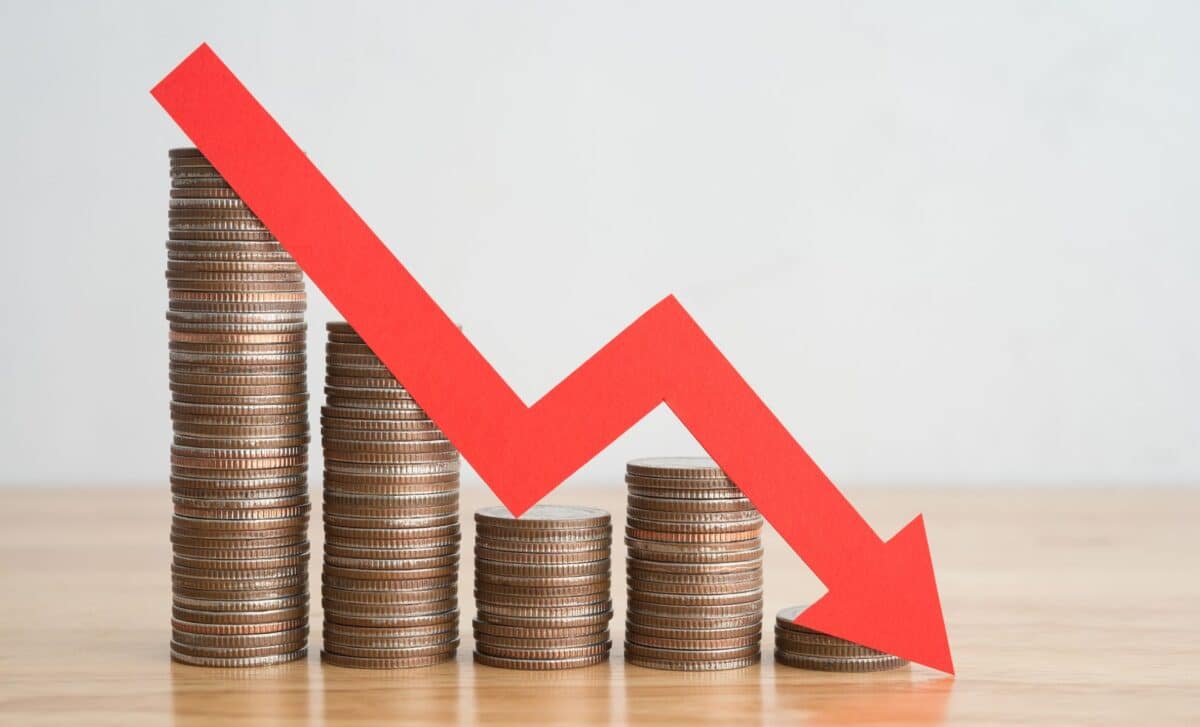
The pace of easing in the UK’s cost-of-living crisis may have stalled in December, as higher demand for festive travel and fresh tax measures helped lift consumer prices. Although inflation has been on a steady downward path in recent months, experts suggest that December likely brought a brief interruption to this trend, with several volatile categories regaining momentum.
Festive Travel and Tax Changes Fuel Price Pressures
After a sharp drop in November, the Consumer Prices Index (CPI) is believed to have edged up in December, influenced in large part by seasonal shifts and policy changes. According to Pantheon Macroeconomics, CPI inflation likely rose from 3.2% in November to around 3.3% in December. This comes as a combination of increased demand during the Christmas travel period and a hike in tobacco duties began to take effect.
Air travel and accommodation costs were particular drivers of the suspected inflationary rise. Analysts have pointed to a significant uptick in demand for holiday getaways, which typically pushes prices higher as the month progresses. The Office for National Statistics (ONS) collects inflation data at specific points in the month, and economists have stressed that the timing of data collection could have heavily influenced December’s outcome. If taken closer to the school holiday period, price spikes in travel and hospitality sectors would have had a more pronounced impact.
Andrew Goodwin, Chief UK Economist at Oxford Economics, noted that, “some of November’s downward pressure came from volatile categories, including clothing, airfares, and accommodation services,” and added that this effect was “likely to have unwound in December.” He also acknowledged the importance of the ONS’s timing, particularly in relation to airfare trends.
Another seasonal driver came from fiscal policy. The autumn budget included a rise in tobacco duties, which would have taken effect during December and contributed to overall price increases in the index. Unlike food or energy, tobacco duty hikes feed directly into retail prices, and their impact tends to appear quickly in CPI data.
Broader Inflation Trend Remains Downward
While December may have brought a short-lived bump, most economists agree that the overall trend for UK inflation remains downward. According to Barclays, inflation likely held steady at 3.2% during the month, citing stabilising food and drink prices and a continued easing in energy inflation. The bank’s analysts do not expect the December figures to disrupt the broader disinflationary trajectory.
Victoria Scholar, head of investment at Interactive Investor, emphasised that “longer term, the trajectory for inflation is still on the downside, heading back towards the 2% target later this year.” She highlighted signs of slack in the labour market and the generally contractionary nature of November’s budget, which included both tax rises and spending cuts, as contributing factors to reduced inflationary pressure in the months ahead.
Energy price inflation, once a major contributor to the UK’s cost-of-living crisis, has also been softening. With global energy markets more stable and wholesale prices lower than last winter, the impact on UK households has lessened in recent months, easing the strain on budgets.