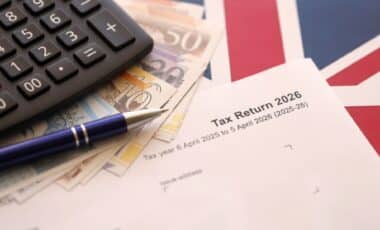
The UK’s tax system is undergoing its most significant transformation in more than 30 years, as HM Revenue and Customs (HMRC) begins rolling out a new scheme for how individuals and businesses report their earnings. The changes fall under a programme called Making Tax Digital for Income Tax, known in short as MTD.
The update aims to replace the current Self Assessment process for certain groups of taxpayers, moving instead to a more incremental, digital-first system. First announced several years ago but now entering wider implementation, the initiative marks a departure from the once-a-year tax return familiar to millions of workers and sole traders.
Quarterly Updates and Digital Records Replace Annual Self Assessment
Under the new rules, taxpayers will no longer complete one single tax return each year. Instead, they will submit summaries of their income and expenses every three months using compatible accounting or bookkeeping software. This new method is intended to distribute administrative tasks more evenly throughout the year, replacing the traditional rush before the 31 January deadline.
According to HMRC, these quarterly updates are not full tax returns, but brief statements showing how a taxpayer’s business is performing. The organisation has stated that the aim is to make tax management more transparent and predictable, with estimated tax bills available after each submission. Craig Ogilvie, Making Tax Digital Director at HMRC, said: “MTD is about spreading your tax admin throughout the year instead of that January scramble to complete your Self Assessment return.”
To use the new system, individuals will need to keep digital records and submit their data through approved software, which can include apps for smartphones and laptops. HMRC confirmed that there are free software options available, and initial feedback from testing participants suggests that the process becomes straightforward once users are familiar with the technology.
Digital Transformation to Impact Sole Traders and Landlords First
The Making Tax Digital programme will initially apply to people who earn income through sole trading or from property. These groups are being asked to switch from the traditional Self Assessment model to the digital system, provided they meet specific income thresholds. Users will need to log receipts and invoices continuously throughout the year and then send summaries of this data every three months.
According to HMRC, the transition to MTD is designed to improve accuracy and reduce the likelihood of errors caused by manual entry or delayed reporting. The system will also allow users to plan better financially by seeing an estimate of their tax bill after each quarterly update. The final tax payment will still be due on 31 January, with the balance to be paid via users’ online HMRC account or through the official app.
The quarterly reporting periods will align with the standard UK tax year, which runs from 6 April to 5 April. HMRC has stated that by breaking down tax obligations into smaller steps, the new approach may lessen the burden on individual taxpayers over time.
While the changes are significant, HMRC has emphasised that they are being phased in gradually and that support is available to help users adapt. The department sees the shift as a move toward a more modern, responsive tax system that reflects the digital tools already used in other areas of financial life.