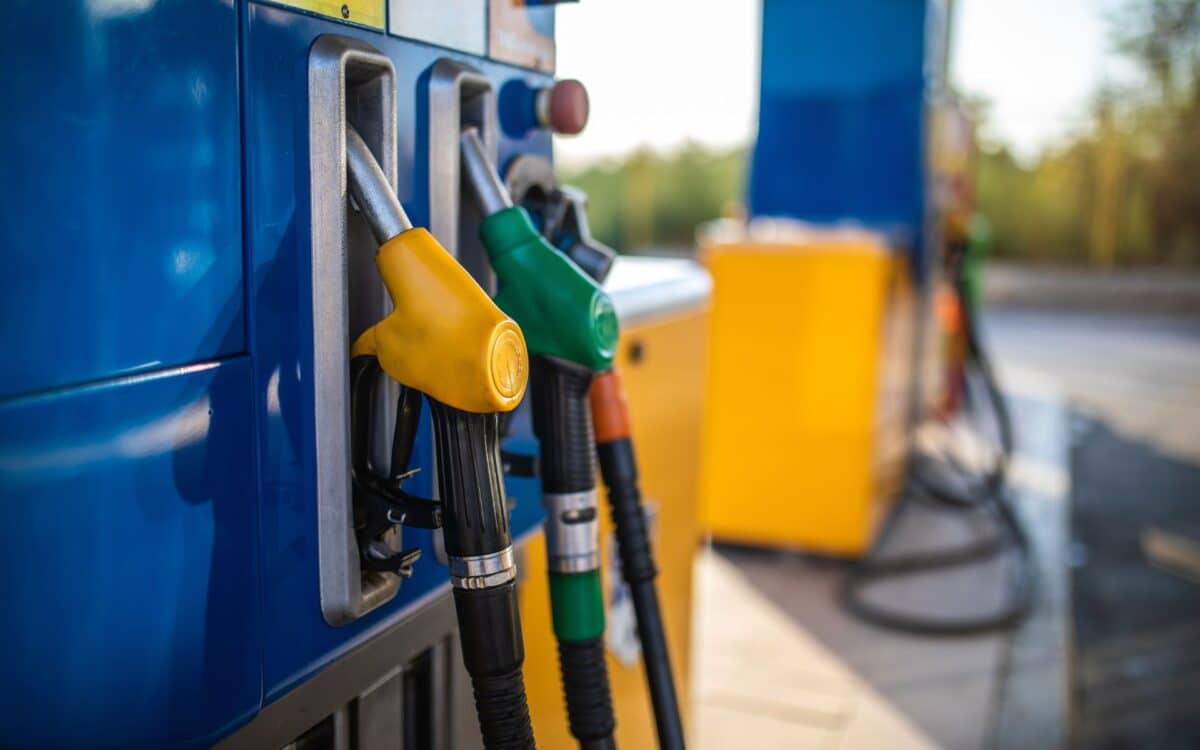
British motorists could soon face a sharp rise in petrol prices, with reports suggesting that new fuel duty measures could add as much as 57p per litre to pump costs. The proposed increase has sparked widespread concern among commuters, families, and business owners already struggling with inflation and high living expenses.
Government Under Pressure As Fuel Duty Hike Looms
According to Express, the Labour government is reportedly preparing to introduce a major fuel duty increase, reversing the freeze that had remained in place for over a decade. The move, described by critics as a “stealth tax,” would drive fuel prices to their highest level in years, putting additional strain on households still adjusting to post-pandemic and energy crisis economic pressures.
Industry analysts have warned that such an increase could have a ripple effect across the economy. Transport and logistics firms, already facing tighter margins, would see operating costs rise, which could eventually translate into higher prices for consumer goods. For families dependent on private vehicles for commuting or childcare, this hike could push weekly fuel expenses significantly higher.
Opposition voices have been quick to respond. He said:
“Now after just one year Labour are putting up the duty and reaching into the pockets of commuters and hardworking families — all because they are too weak to control spending.”
This statement reflects a growing sentiment among critics that the government’s fiscal management has faltered, prompting reliance on taxation rather than budgetary restraint.
Economic Impact On Commuters And Small Businesses
An increase of 57p per litre would not only strain consumers but could also place additional pressure on small businesses relying on transport. For delivery drivers, taxi services, and rural tradespeople, fuel costs make up a substantial portion of daily expenses. A consistent rise in prices would likely lead to reduced mobility, slower business operations, and higher consumer charges.
Economists argue that while a fuel duty increase could help the Treasury address budget shortfalls, it risks worsening regional inequality. Areas with limited access to public transport would feel the greatest effect, with rural and suburban households bearing a disproportionate financial burden. This could further deepen the urban-rural divide already visible in household income statistics.
Political Debate Over Fiscal Responsibility
The decision has reignited a long-standing debate over how to balance fiscal discipline with economic fairness. While some government supporters defend the increase as a necessary measure to stabilize public finances, opposition MPs accuse the administration of prioritizing revenue over citizens’ welfare.
Economists point out that successive governments have avoided raising fuel duty due to its political sensitivity. The freeze on duty, introduced in 2011, was repeatedly extended to ease public frustration over high living costs. Reversing it now may prove politically costly, especially as inflation remains a key concern for the electorate.