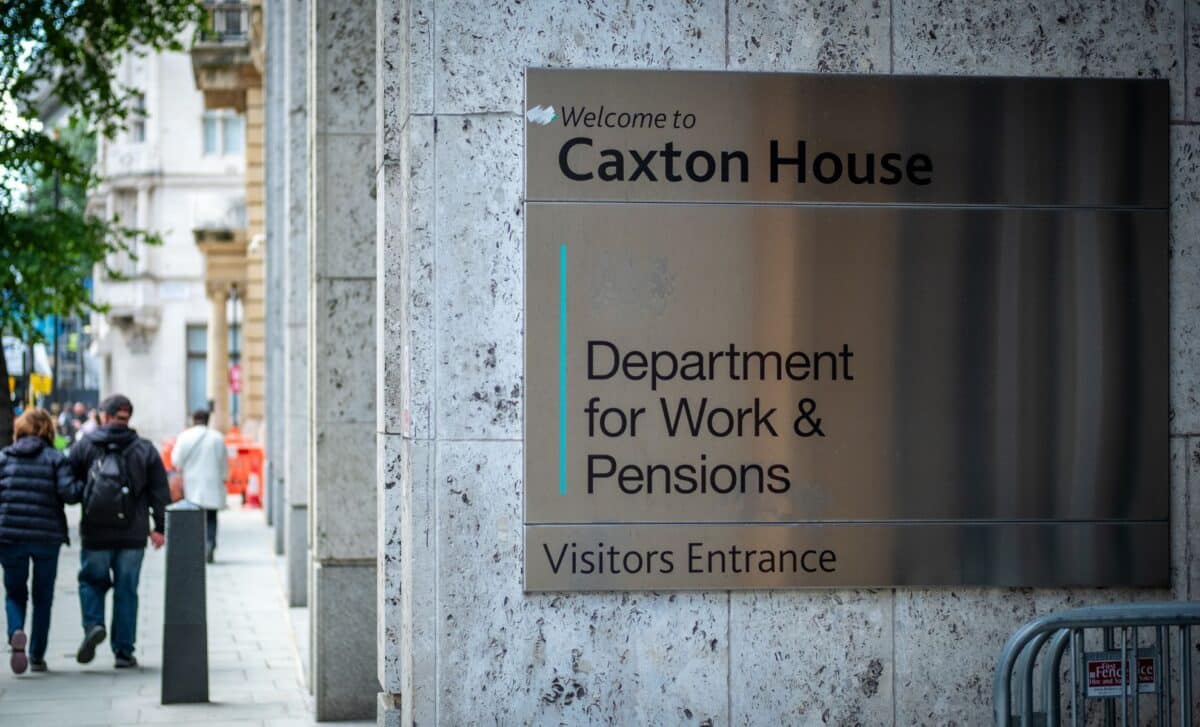
Convicted criminals detained in psychiatric hospitals will no longer be eligible for Universal Credit under new welfare plans announced by the Department for Work and Pensions (DWP). The reform aims to close a long-standing loophole that allowed serious offenders to receive up to £800 per month in benefits while receiving state-funded care.
The decision follows widespread criticism from victims’ families and campaigners, and has been welcomed by politicians across party lines. It signals a firm shift in policy, with the government reaffirming its position that benefits should not be extended to those found guilty of the most severe crimes.
Welfare Payments Blocked for Convicted Hospital Detainees
The Department for Work and Pensions has confirmed plans to block Universal Credit payments for individuals convicted of violent or sexual crimes who are detained under hospital orders, following criminal trials. While convicted prisoners have long been barred from accessing welfare, a legal gap allowed some hospitalised offenders, including those who pleaded diminished responsibility, to continue receiving monthly benefits.
According to the DWP, the payments could amount to more than £800 per month, a figure now described by campaigners and officials as “a clear injustice”. Among those previously eligible under the current rules was Valdo Calocane, the man who admitted to the manslaughter of three people during a stabbing spree in Nottingham in 2023. Calocane, who was diagnosed with paranoid schizophrenia, was sentenced to an indefinite hospital order after pleading guilty to manslaughter by diminished responsibility.
In response to public outcry, Work and Pensions Secretary Pat McFadden stated: “I don’t think there’s a single household in Britain who believes it’s right that convicted criminals receive thousands of pounds a year in benefits. It’s unfair to victims’ families and to taxpayers.”
The reform, while still subject to consultation and legal review, has been explicitly designed to target individuals convicted of serious offences (including rape, manslaughter, and homicide) but who are treated in hospital settings. The DWP clarified that sectioned individuals with no criminal record will remain eligible for support, acknowledging the sensitivity of cases involving mental health.
Victims’ Families Support Reform as Overdue Step
The move has received strong backing from families affected by the crimes in question, many of whom have campaigned for policy change since the Nottingham attacks. Dr Sanjoy Kumar and Dr Sinead O’Malley, whose daughter Grace O’Malley-Kumar was among those killed, praised the government’s decision as a sign of “decisive and bold departmental leadership”.
In a public statement, they said: “Whilst we have lost our brave and beautiful daughter Grace, we now know that in her name good is being done for our country.” The couple further noted that the UK now leads other European nations in addressing this welfare loophole.
Similar support came from the family of Kennedi Westcarr-Sabaroche, who was murdered by her partner in 2021. The offender, also handed a hospital order, had continued receiving benefits under the current system. Her mother Linda Westcarr described the reform as “a long-overdue correction to a clear injustice that has caused real harm.”
While the DWP has yet to provide a timeline for implementation, consultations with legal and mental health experts are already underway. McFadden confirmed that the department is working to ensure that the measure is legally sound and maintains the dignity and rights of those with severe psychiatric conditions unrelated to criminal behaviour.
The Labour government, under Prime Minister Keir Starmer, has signalled its support for the changes. Speaking on the matter, Starmer said: “It cannot be right offenders convicted of the most serious crimes continue to receive benefits they don’t need at the expense of the taxpayer.” The reform is set to become a defining moment in the intersection between criminal justice and social welfare, as the UK re-examines the purpose of state support in complex and sensitive cases.