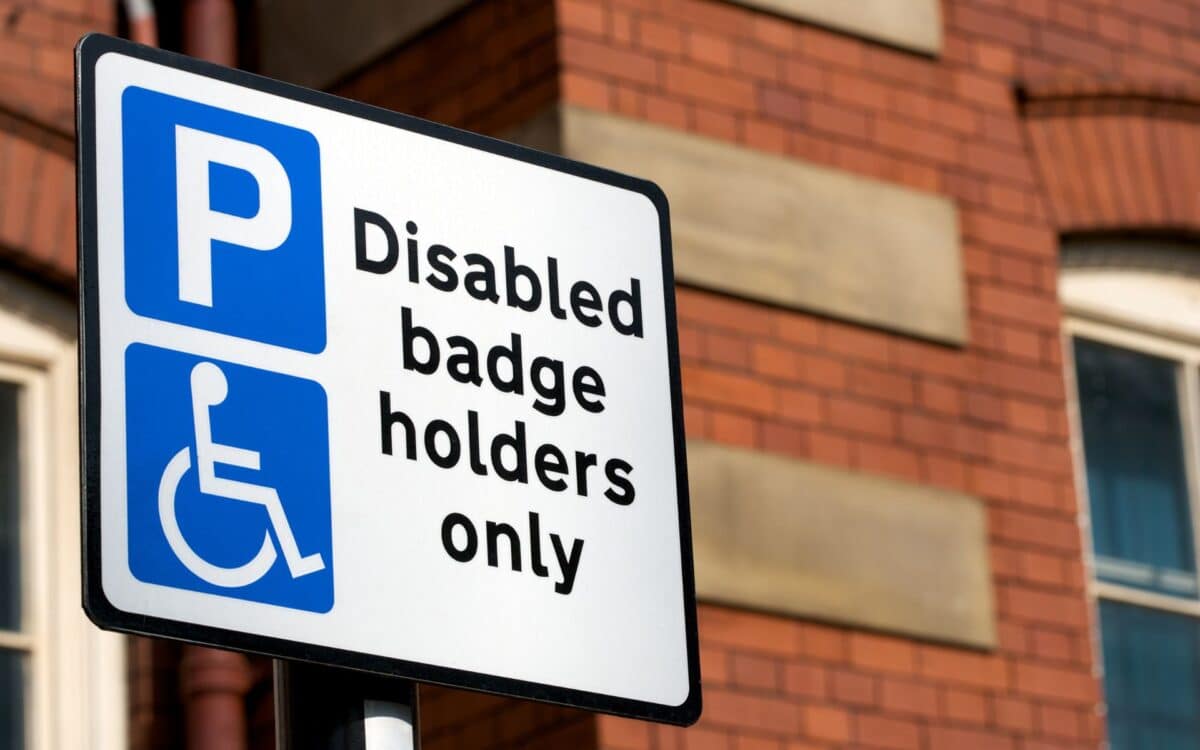
Tens of thousands of Blue Badge holders in Scotland may be missing out on lesser-known travel perks connected to their parking permit. While the Blue Badge is commonly associated with easier parking access, few are aware that it could also grant free access to public transport.
A scheme tied to the National Entitlement Card offers eligible individuals in Scotland the ability to travel by bus without charge, yet many who qualify have not applied.
Many Blue Badge Holders May Miss Out On Free Bus Travel
According to a recent article by the Daily Record, over 235,700 people in Scotland currently hold a Blue Badge, but many are unaware of a valuable benefit it could unlock: free bus travel via the National Entitlement Card. This benefit is especially relevant for individuals receiving disability-related benefits such as Personal Independence Payment (PIP), Adult Disability Payment (ADP), or Disability Living Allowance (DLA).
The Transport Scotland website confirms that individuals can apply for this travel benefit by presenting their Blue Badge or official documents such as the V11 vehicle licensing reminder or DLA404. Eligibility can extend to a range of physical and hidden disabilities, including conditions like Parkinson’s, autism, and dementia.
Importantly, the scheme is inclusive of badge holders from other regions. As the official guidance states:
“A valid Blue Badge issued outside Scotland, in the rest of the UK or by the authorities of another EU member state will be acceptable.”
This detail ensures that visitors or recent arrivals with qualifying documents can also benefit from the scheme during their stay or while transitioning residency.
Who Qualifies For The Blue Badge And Why It Matters
The Blue Badge scheme is designed to assist individuals with reduced mobility or serious health conditions, whether visible or not. In Scotland, the badge offers free or priority parking for both drivers and passengers, helping people stay close to essential destinations like shops, hospitals, or workplaces. Yet its link to public transport is rarely discussed.
There are two main paths to obtaining a Blue Badge: automatic eligibility and discretionary eligibility following a local authority assessment. Those who automatically qualify typically receive higher rates of mobility-related disability benefits. Individuals may also need to undergo mobility assessments with a healthcare professional to determine if they meet the scheme’s requirements.
Scenarios that may qualify someone include being unable to walk more than a short distance, having severe upper limb disabilities that prevent meter use, or being responsible for a child who needs medical equipment kept nearby. Additionally, people with mental health conditions that affect their awareness of road danger may be eligible, reflecting broader recognition of non-visible disabilities.
How To Apply And What Documents Are Required
Applying for free travel via the National Entitlement Card is a relatively straightforward process, though one that still requires public awareness and access to the correct documentation. Applicants typically need to provide either: their Blue Badge, a V11 vehicle tax renewal notice from the DVLA, or the DLA404 form from the Department for Work and Pensions (DWP)
These documents help verify the individual’s qualifying status. Application guidance is available through Transport Scotland and MyGov.Scot, both offering clear outlines of who qualifies and how to begin the process.
Eligible individuals can apply directly or seek help from their local council. Once granted, the National Entitlement Card can be used across Scotland to access free bus travel, reducing costs and increasing mobility, particularly vital in rural or low-income areas where transport is a daily challenge.
Why Awareness Of The Scheme Remains Low
Despite its benefits, this travel support scheme remains underused. A likely cause is the limited visibility of the connection between the Blue Badge and the National Entitlement Card. The Blue Badge is widely known for its parking privileges, but few associate it with bus travel subsidies.
This information gap means that thousands of qualifying residents, especially older adults, carers, and individuals with long-term conditions, may be paying for journeys they could take for free. It also suggests the need for better public communication from local authorities, health services, and disability rights organisations.
With the cost of living rising and transport costs placing a burden on low-income households, raising awareness of this entitlement could make a measurable difference in daily expenses for many households across Scotland.