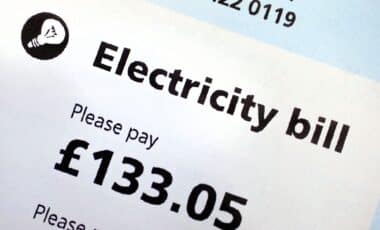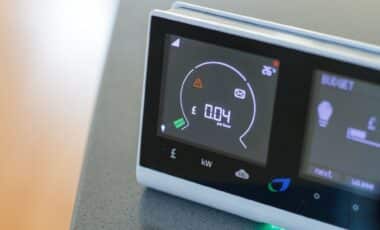
A minor increase to the energy price cap comes into force on Thursday, at the same time large parts of the UK are under yellow and amber weather alerts. Though the rise is modest, the timing coincides with a significant drop in temperatures and a renewed focus on fuel poverty as the coldest weeks of winter begin.
The Office of Gas and Electricity Markets (Ofgem) confirmed in November that its energy price cap would rise by 0.2%. Though this translates to only 28p more per month for the average household on a standard variable tariff, it brings the annual bill up slightly to £1,758. The regulator explained that the rise reflects additional funding for the Sizewell C nuclear plant and the expansion of the Warm Home Discount scheme.
Slight Cap Increase, but Continued Pressure on Low-Income Households
The modest increase comes after months of relatively stable energy costs. Still, millions of households continue to struggle with heating bills. According to Ofgem, the current energy price cap is £37 lower than it was a year ago when adjusted for inflation. Yet for many, the impact remains tangible.
The rise in standing charges, which all energy users must pay, is partly linked to government schemes such as the Warm Home Discount. According to the UK Government, around 2.7 million low-income households now qualify for the £150 reduction, including 900,000 families with children.
Simon Francis, coordinator of the End Fuel Poverty Coalition, said the small changes to the price cap still have serious consequences. “It really is a case of every little doesn’t help as households spend a fifth winter in the energy bills crisis,” he said. “People continue to live in cold, damp homes, where the risks go beyond discomfort and into real danger.”
Meanwhile, investment in future energy supply is also being funded through consumer bills. The £38 billion construction of the Sizewell C nuclear power station in Suffolk adds approximately £1 per month to each household bill, according to Ofgem.
Cold Weather Warnings Intensify National Concerns
The timing of the price cap adjustment has heightened concerns as freezing temperatures grip much of the UK. The UK Health Security Agency (UKHSA) has issued yellow cold health alerts across large parts of England, including London, the Midlands and the South East. Amber alerts are also in effect for the North East and North West until 5 January.
According to the Met Office, northern Scotland faces a yellow warning for snow and ice from 6am on New Year’s Day through to midnight on 2 January. Temperatures are expected to drop to between 3°C and 5°C.
These conditions increase energy demand just as many families are trying to limit their usage. According to Emily Seymour, energy editor at Which?, many consumers should consider fixed deals currently available at below the price cap. “As we head into the coldest months of the year, many households will be concerned that the energy price cap will increase slightly in the new year,” she said.
She added that customers on variable tariffs should submit a meter reading before the cap takes effect, to ensure they benefit from the cheaper rates already used. The energy price cap, introduced in 2019, limits the rate energy suppliers can charge for each unit of gas and electricity, as well as the daily standing charge. It does not cap the total amount consumers pay, which still depends on individual usage.