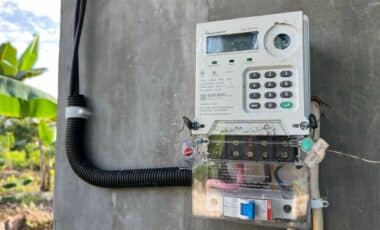
Labour’s proposed energy strategy could bring major changes to the daily lives of UK homeowners. The plan, led by Energy Secretary Ed Miliband, involves up to £13 billion in funding over four years to subsidise solar panels, heat pumps, and battery storage in an attempt to create homes that pay little or nothing for power.
The initiative, called the Warm Homes Fund, is central to Labour’s efforts to reduce household energy bills and carbon emissions. The policy shift reflects growing emphasis on renewable energy as a practical solution to rising living costs and climate concerns. With a general election on the horizon, this large-scale investment also signals Labour’s attempt to regain public trust on environmental policy and economic relief.
Grants and New Technologies to Reshape Household Energy Use
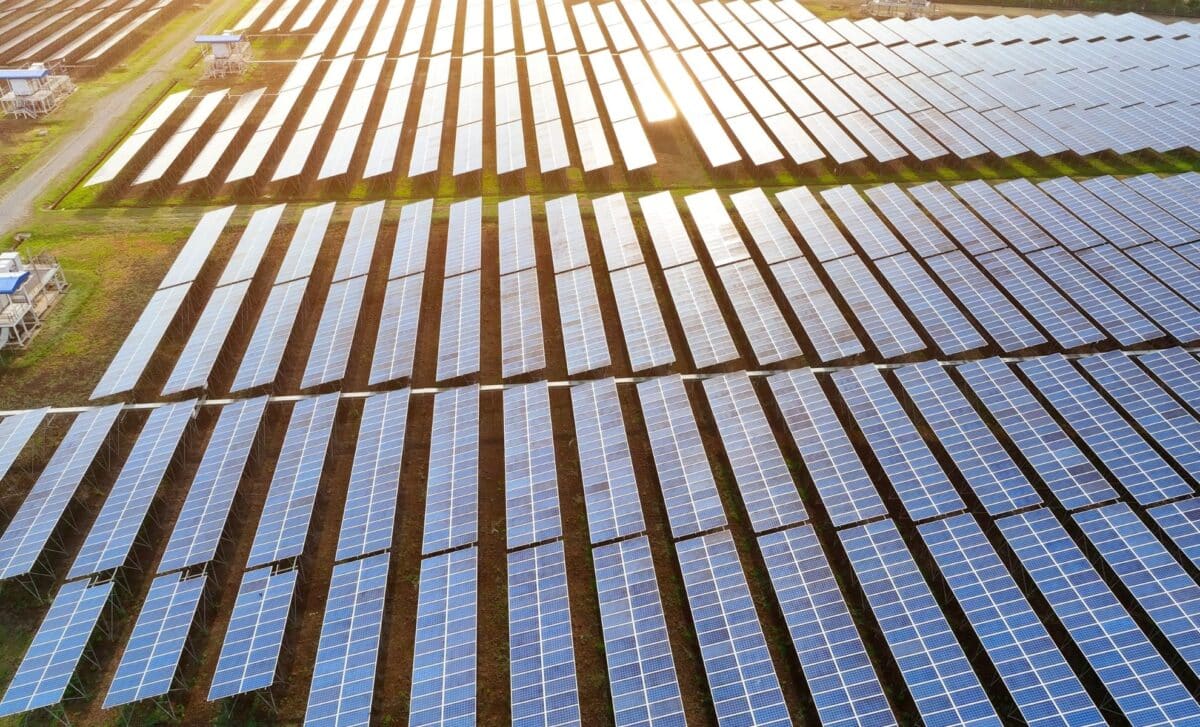
At the heart of the strategy is direct financial support for homeowners to install solar panels, heat pumps and battery storage systems. According to The Times, the government intends to make the plan accessible to all households, with greater financial assistance for those with lower incomes. Upfront costs will be covered in part or in full through grants, and some homeowners may also be offered loans to be repaid through future energy bills.
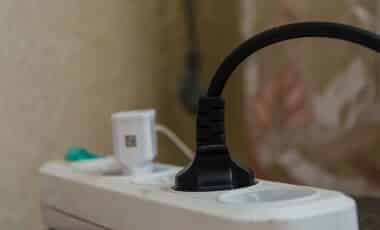
According to the same source, Ed Miliband will present detailed proposals next month outlining the fund’s operation. The aim is to support mass adoption of these technologies across the country’s 30 million homes. Ministers hope that even homes unable to install rooftop panels will still benefit. The government plans to lift restrictions on so-called “plug-in solar” units, which can be connected directly to power outlets on balconies or flat surfaces.
These smaller solar systems, priced between £180 and £300, could remove £115 to £180 from annual electricity bills. The Department for Energy Security and Net Zero has confirmed an additional £1.5 billion has been added to the programme, bringing the total investment close to £15 billion. Officials describe this as the largest public investment ever made to upgrade homes and address fuel poverty.
Promising Early Results and Industry Support
Support for the Warm Homes Fund has been voiced by major industry players. Nigel Banks, technical director at Octopus Energy, stated that with flexible energy tariffs and the right combination of technology, many UK homes could effectively become “zero bill.” Octopus estimates that households with solar panels, batteries and heat pumps could save up to £90 per month on electricity costs. Those with well-insulated homes are most likely to see complete elimination of energy bills.
The policy has gained traction in part due to the rapid growth of the solar sector. According to Solar Energy UK, 250,000 small-scale rooftop solar systems were installed in 2025 alone, many of them equipped with batteries to store unused power. The organisation expects 2026 to surpass that figure, especially following the policy announcement. With solar now accounting for 6.3 percent of Britain’s electricity generation, a 30 percent increase on the previous year, the shift towards home-grown power is already well underway.
While earlier policies focused on home insulation, many experts now argue that the installation of solar panels offers more immediate and significant financial benefits. Ministers believe this approach is the fastest way to help consumers experience the impact of the energy transition in practical terms. The final details of the fund are still being developed. But with strong political and industry backing, the government appears determined to push forward with the rollout in early 2026.