
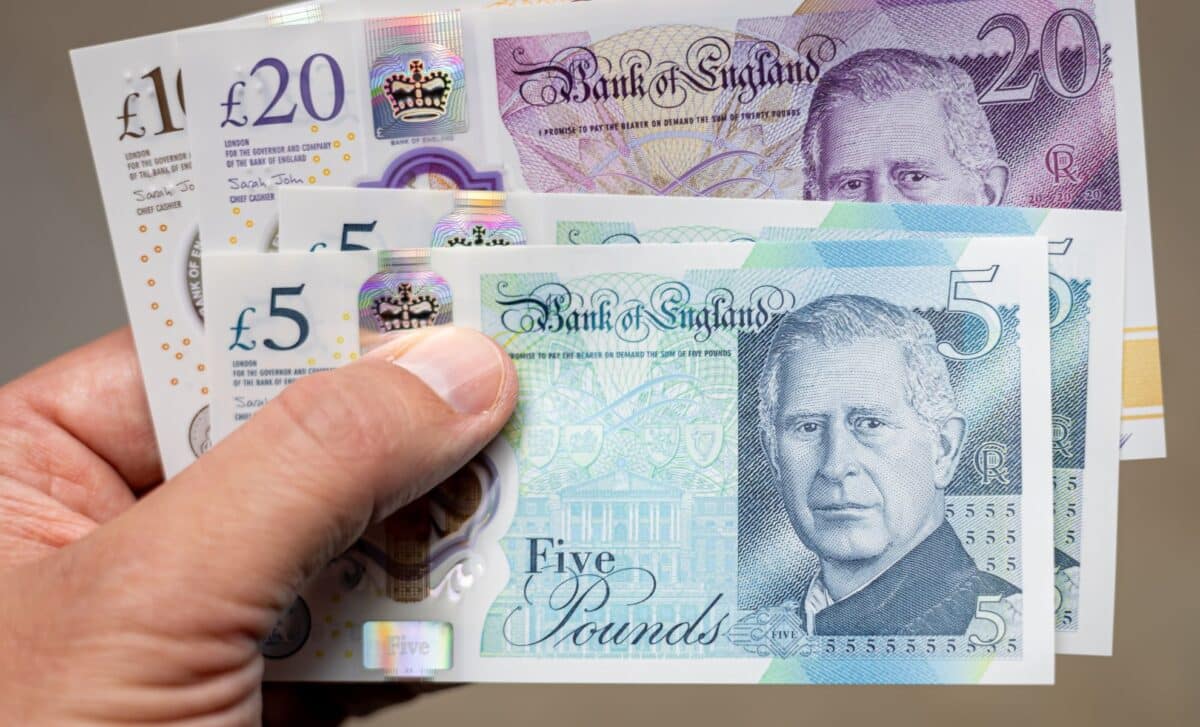
Some state pensioners in the UK will receive their monthly payment earlier than usual this December due to the New Year bank holiday. As reported by the Express, the Department for Work and Pensions (DWP) has confirmed that those normally paid on Thursday 1 January 2026 will instead receive their money on Wednesday 31 December 2025, the final working day of the year. This is a standard shift in schedule designed to ensure that payments are not delayed when they fall on public holidays.
Why Payments Are Arriving Early For Some Pensioners
The way state pension payments are scheduled means that they can shift slightly around the festive period. This year, the New Year’s Day bank holiday falls on a Thursday, affecting thousands of claimants whose pension is usually paid on that day. To avoid disruption, the DWP will process these payments on Wednesday 31 December 2025 instead, meaning funds will arrive in claimants’ accounts just before the New Year.
This change does not reflect a bonus or extra payment, even though headlines have referred to a “£921 New Year boost.” The figure of £921 refers to the monthly maximum for the new State Pension, which applies to people who reached state pension age after 6 April 2016 and have built up the full qualifying years of National Insurance contributions.
In a statement, the DWP clarified:
“Benefits are usually paid straight into your bank, building society or credit union account. If your payment date is on a weekend or a bank holiday you’ll usually be paid on the working day before. This may be different for Child Benefit.”
This system helps ensure that pensioners are not left waiting for essential income during a period when many banks and services are closed. The early payment rule applies to several benefits and not just the state pension, depending on the specific due date and nature of the benefit.
Who Gets The Early Payment And How To Check
The change in date mainly affects people who are paid their state pension on Thursdays, which is determined by the final two digits of their National Insurance number. Each payment day of the week is tied to a specific range of National Insurance number endings:
- 00 to 19 – paid on Monday
- 20 to 39 – paid on Tuesday
- 40 to 59 – paid on Wednesday
- 60 to 79 – paid on Thursday
- 80 to 99 – paid on Friday
So, if the final two digits of your National Insurance number fall between 60 and 79, your regular payment day is Thursday. If you’re in this group, and your payment would normally arrive on 1 January 2026, it will instead be deposited on 31 December 2025.
In Scotland, this change also applies to payments due on Friday 2 January 2026, which will likewise be made on Wednesday 31 December. This is because 2 January is also a bank holiday in Scotland, making the previous working day the only option for timely payments.
The DWP advises recipients not to worry or take any action, as the money will be paid automatically to the usual account.
“Some payments will be made earlier if they’re due between 24 December 2025 and 2 January 2026. Tell the office that pays your benefit if you do not get your payment on the day it’s scheduled,” the department said.