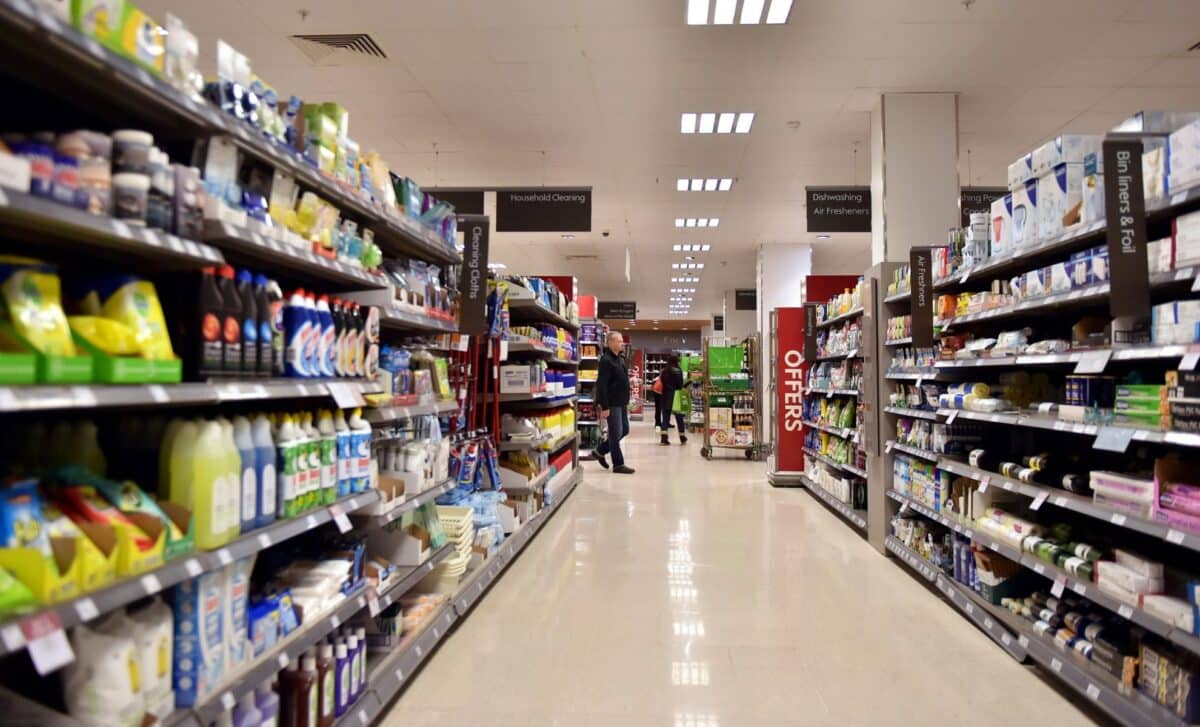
The decision to overhaul Asda’s product range follows a period of significant sales decline, with the supermarket facing its first major revenue drop in over a year. The company’s efforts to reverse its fortunes come just ahead of the crucial Christmas trading period, when consumer spending is traditionally at its highest. Asda’s gamble on price reductions and a simplified range could be its ticket to surviving the growing pressure from its rivals, but it is not without risk.
The “Simplification Strategy” Explained
According to reports, Asda has been quietly removing more than 4,000 product lines from its shelves in recent weeks as part of a broader plan to streamline its supply chain and reduce waste. The ultimate goal is to trim its range of around 30,000 products down to between 24,000 and 25,000 in the coming months. Asda Chairman Allan Leighton has emphasised that simplifying its product offerings will improve the shopping experience for customers and help the company better focus on high-volume items.
The move forms part of what Asda calls a “simplification strategy,” designed to make stores easier to navigate and ensure that key products are readily available for shoppers. “One of the key pillars of our formula for growth is to be ranged in a way that is simple for the customer, removes complexity on our shelves and in our supply chain, and drives volume growth in key lines – growing sales for both Asda and our suppliers.” said an Asda spokesperson.
Despite the rationale, critics are cautious about this approach. Reducing the variety of products available at a time when customers are becoming increasingly cost-conscious may not resonate with everyone. Some experts warn that fewer choices, particularly in times of financial strain, could alienate shoppers looking for better value and a broader selection.
Declining Sales and Rising Competition
Asda’s sales figures for the 12-week period ending in November revealed a troubling 4.3% drop in revenue, making it the only major UK supermarket to experience a decline as the festive season approached. This performance is in stark contrast to its competitors, who have been steadily growing market share. The company’s struggle to retain customers has prompted a renewed focus on competitive pricing, with Asda’s “Rollback” campaign, reintroduced earlier this year, offering discounts of up to 25% on thousands of everyday essentials.
However, Asda’s attempts to lower prices have been met with stiff competition. Retailers like Aldi and Lidl, known for their no-frills approach and value for money, have introduced their own aggressive promotions, including offering Christmas meals for less than £12. The effectiveness of Asda’s price cuts is now under question, with many shoppers flocking to these rivals in search of better deals.
Asda’s efforts to simplify its product range may help streamline its operations, but in the current market, where value is a key driver for consumers, it remains to be seen whether trimming its product selection will be enough to win back the customers it has lost. By cutting prices and simplifying operations, the supermarket aims to attract cost-conscious shoppers, but its success will depend on whether fewer choices can still offer the value that customers are seeking in a highly competitive market.