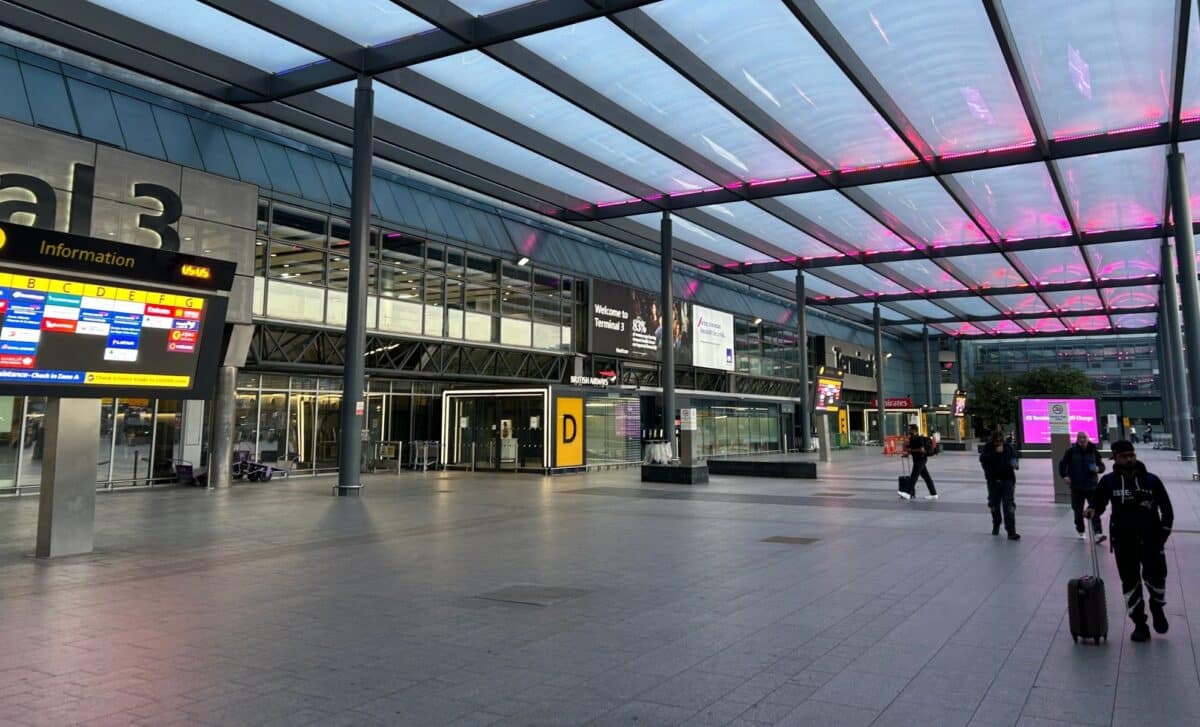
This new policy, set to take effect on 1 January, marks a significant shift in how one of the UK’s busiest airports manages traffic around its terminals. While the fee increase is set to align Heathrow with other major UK airports like Gatwick and Stansted, the 10-minute time cap has raised concerns among motorists. Critics argue that the changes could unfairly penalise those who require additional time due to luggage, mobility issues, or simply the congestion at the airport’s drop-off areas.
The Rising Cost of Convenience at Heathrow
The £1 increase to £7 for a brief drop-off at Heathrow’s terminals comes after a series of price hikes since the charges were first introduced in 2021. According to Heathrow, this adjustment aims to streamline traffic flow and encourage sustainable travel alternatives such as public transport. The airport emphasised that 95% of drop-offs are already completed within 10 minutes, which they claim will have minimal impact on the majority of drivers.
Despite these claims, the move has been met with backlash, especially from the business travel sector. Clive Wratten, CEO of the Business Travel Association, labelled the decision “another example of rising airport charges hitting the very people who keep our economy moving.” Wratten further argued that the charges do little to improve the passenger experience or ease access to the airport. Instead, critics suggest the policy is more about generating revenue than addressing congestion issues.
In a statement, Heathrow defended the policy, stating that it aligns the airport’s fees with those of other major UK airports and is part of their broader sustainability efforts. “This change brings Heathrow’s Terminal drop-off charge in line with other major UK airports and plays a key role in our sustainability strategy. It helps reduce congestion, encourages public transport use, and ensures our forecourts are used for their intended purpose. Free drop-off and pick-up options remain available for all terminals at all our Park & Ride car parks.” a spokesperson said.
The airport has also confirmed that free drop-off and pick-up options remain available at Park & Ride car parks, which could provide an alternative for those wishing to avoid the new fees.
The Impact on Passengers and Drivers
For many travellers, the new charges and time limits are seen as an added layer of stress, particularly for those with heavy luggage or young children. Taxi drivers and private hire vehicle operators are also voicing concerns, as the strict 10-minute limit may penalise those who need additional time, either due to the complexity of getting passengers in and out of vehicles or the congestion often found around terminal forecourts.
At present, Heathrow is not the only airport in the UK to charge for drop-offs. Other airports like Gatwick, Stansted, and Luton already have similar fees in place, with charges typically around £7 for a 10-minute stay. However, what sets Heathrow apart is the imposition of a strict time limit. Many drivers, including those from the taxi industry, have pointed out that the unpredictable traffic around Heathrow could make it difficult for passengers to complete their drop-off within the allotted 10 minutes. Some drivers have noted that during peak times, congestion around terminal forecourts could make it nearly impossible to avoid being fined.
Despite the criticism, Heathrow’s new policy reflects broader trends in UK airport operations, which have increasingly relied on fees as a way to manage traffic and generate revenue. As more airports introduce similar charges, passengers may need to adjust their expectations or consider alternatives such as public transport or long-stay car parks.