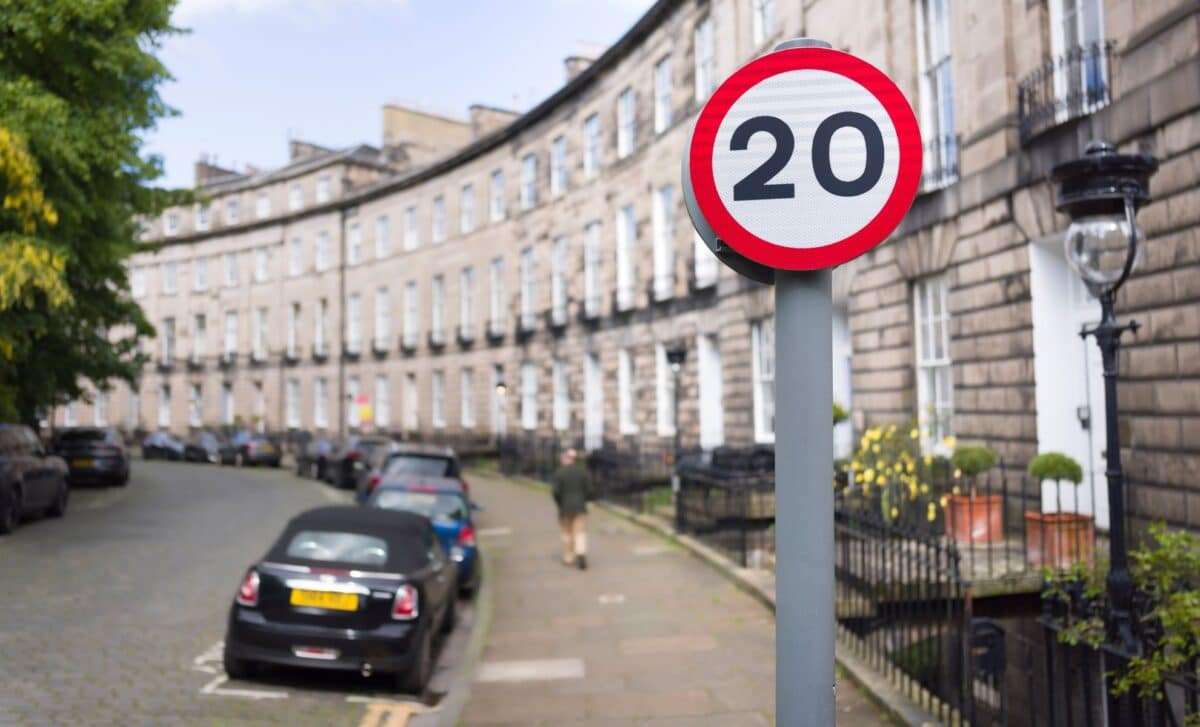
The roll-out of these new speed limits marks a significant shift in Scotland’s road safety policies. With the new regulations now in force, authorities are closely monitoring their effectiveness, while the local community braces for the implications of reduced speeds. The move comes as part of an ongoing effort to curb road fatalities, particularly those involving pedestrians.
New Speed Limits as Part of Road Safety Strategy
The introduction of 20mph speed limits in Argyll and Bute is a cornerstone of a broader national strategy to improve road safety, particularly in more populated areas. According to Transport Scotland, the measure is designed to reduce the risk of fatalities in pedestrian collisions, with research showing that pedestrians struck at 20mph are seven times more likely to survive than those hit at higher speeds.
The affected communities, Ardrishaig, Connel, Inveraray, Tarbert, and Tarbet, are seeing these limits imposed on trunk roads that previously permitted higher speeds. Historically, speed limits in these areas varied between 30mph and 60mph. Now, with the new restrictions, drivers face fines of £100 and three penalty points for exceeding the limit. The limits are being enforced under Temporary Traffic Regulation Orders, which will remain in place for up to 18 months while the authorities assess their effectiveness.
Fiona Hyslop, the Cabinet Secretary for Transport, has stressed that one death on the roads is one too many. “Road safety remains an absolute priority for the Scottish Government, and that is why we are investing a record £48million this financial year into road safety activity and programmes.” she said, underlining the government’s commitment to improving safety for all road users. The temporary nature of the new limits allows for a thorough evaluation of their impact before a final decision on their permanence is made.
The Long-Term Impact on Road Safety
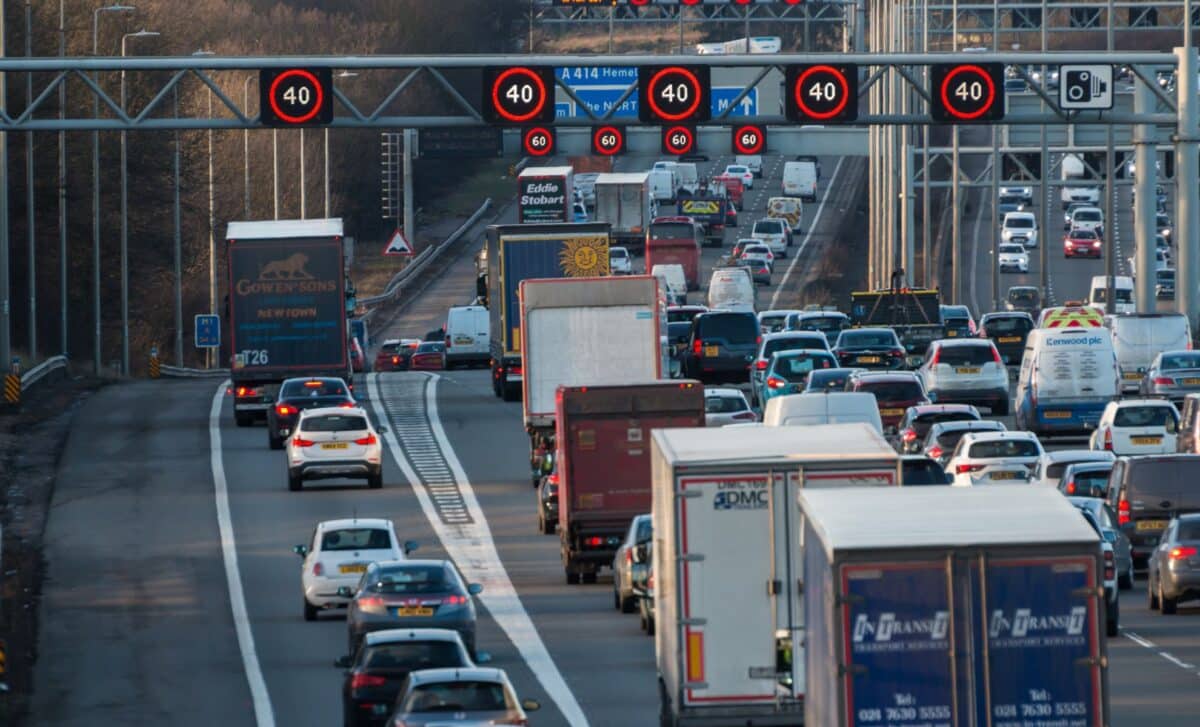
The installation of the new speed limits forms part of a wider £48 million investment in Scotland’s road safety for the 2025 financial year. Transport Scotland’s careful approach ensures that these measures, which include road signage and physical infrastructure, are rolled out consistently across the affected communities. The temporary traffic orders will allow the authorities to monitor the impact on traffic flow, driver behaviour, and accident rates.
Evidence supporting the speed reduction is compelling. According to research cited by GB News, even modest reductions in vehicle speed can lead to substantial improvements in survivability for pedestrians involved in collisions. The study showed that reducing the speed from 30mph to 20mph can drastically reduce the likelihood of a fatal injury in the event of a crash. By implementing the new limits across these communities, the government aims to foster a safer environment for pedestrians, cyclists, and motorists alike.
The Scottish Government’s decision to focus on speed reduction aligns with a wider effort to encourage more sustainable modes of transport, including walking and cycling. By making roads safer, officials hope to create communities that are more conducive to active travel, thus reducing reliance on cars and mitigating traffic-related environmental impacts.
The introduction of 20mph speed limits in Argyll and Bute marks a major milestone in Scotland’s ongoing efforts to improve road safety. While the measures are temporary for now, the data collected over the next 18 months will likely inform future decisions on whether to make these changes permanent. For now, drivers in the affected communities must adapt to the new limits, with penalties in place for those who fail to comply.