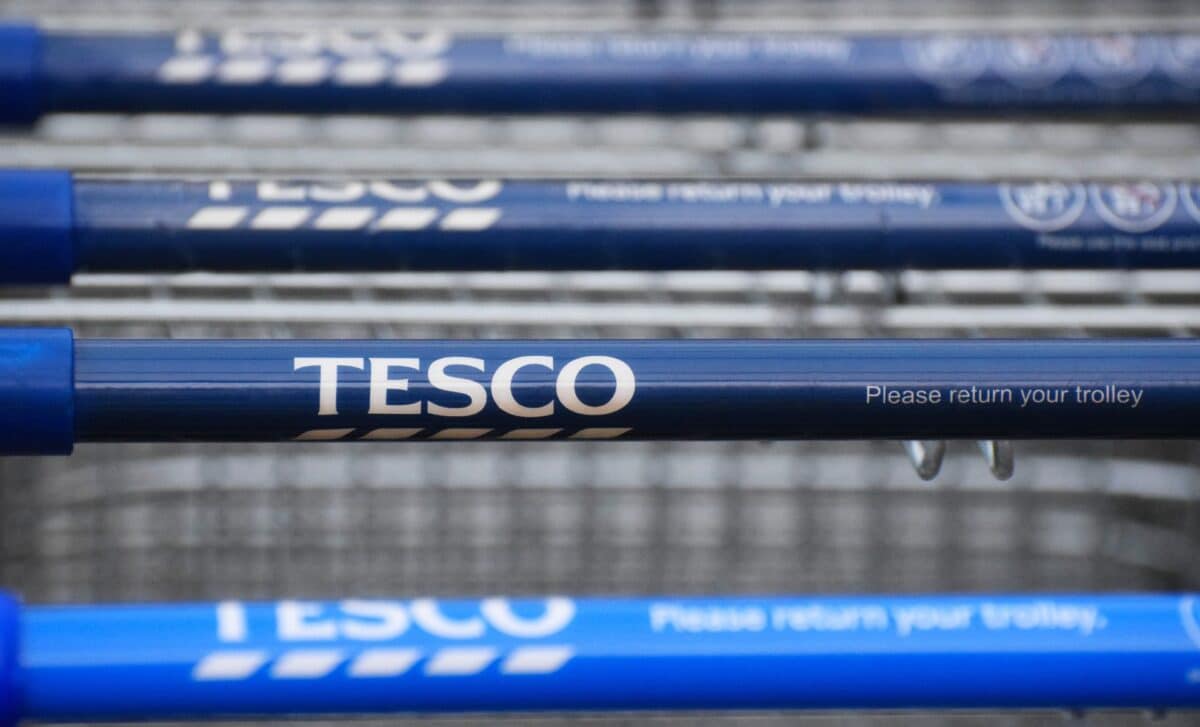
As part of a wider initiative to tackle plastic waste, this price hike of Tesco is part of a broader trend among UK supermarkets, including Sainsbury’s, which has also raised the cost of its reusable bags. While some see this as a necessary step towards sustainability, others are questioning whether it’s just another added expense for cash-strapped consumers.
Shoppers React to Tesco’s New Pricing Structure
As of October 29, 2025, Tesco’s ‘bag for life’ costs 40p, a price that some customers view as excessive. The increase marks a 10p rise from the previous cost of 30p, following a broader trend across the UK supermarket landscape. Sainsbury’s introduced a similar price change earlier in the month, also moving its bag for life to 40p. While this may seem like a modest increase, it has sparked strong reactions, particularly among long-time customers who recall when bags were free or sold for just 5p.
One shopper voiced frustration on social media, calling the new price “ridiculous” and lamenting the days when bags were given away for free. Another described the increase as “an absolute disgrace,” highlighting a growing sense of dissatisfaction with rising consumer costs in general. However, others argue that the rise is part of a necessary shift towards sustainability, with the increased price meant to encourage shoppers to bring their own reusable bags.
The Environmental Push Behind Tesco’s Price Increase
Tesco’s decision to raise the price of its bags for life is part of a larger effort to reduce plastic waste. Since 2017, the retailer has stopped selling single-use plastic bags in favour of reusable alternatives made from 94% recycled plastic. Today, those bags are manufactured from 100% recycled plastic, and they can be reused numerous times, with any worn-out bags being replaced for free at customer service desks.
The charge for reusable bags has been steadily rising across supermarkets in the UK since the government introduced a 5p levy in 2015, a measure designed to reduce the environmental impact of plastic waste. According to recent data from the Department for Environment, Food and Rural Affairs (Defra), the sales of single-use plastic bags in the UK have recently increased, despite efforts to reduce their usage. This has prompted many retailers, including Tesco, to make reusable bags more accessible while simultaneously encouraging customers to adopt sustainable shopping habits.
A spokesperson for Tesco commented that the price increase was intended to motivate customers to “bring shopping bags with them to cut down on plastic.” The supermarket chain sells a wide range of reusable bags at various price points, allowing shoppers the option to choose according to their needs. Tesco has also reinforced its commitment to the environment by continuing to offer free replacements for any bags that become worn out over time.
The Ongoing Debate Around Bag Charges
While some customers are on board with the price increase, believing it will encourage more sustainable practices, others have raised concerns over the cost of living. As supermarkets like Tesco and Sainsbury’s push for higher prices, there are calls for a more balanced approach. Some customers argue that the rising costs could be offset by introducing an incentive programme to encourage the return of old bags, a suggestion echoed by several online commentators.
There is also debate over whether higher prices would truly drive behavioural change. Some shoppers have proposed that raising the price of bags even further, perhaps to £2, would make people more likely to remember to bring their own reusable bags. Others, however, argue that charging for bags, regardless of the price, is not the solution to the plastic waste problem.