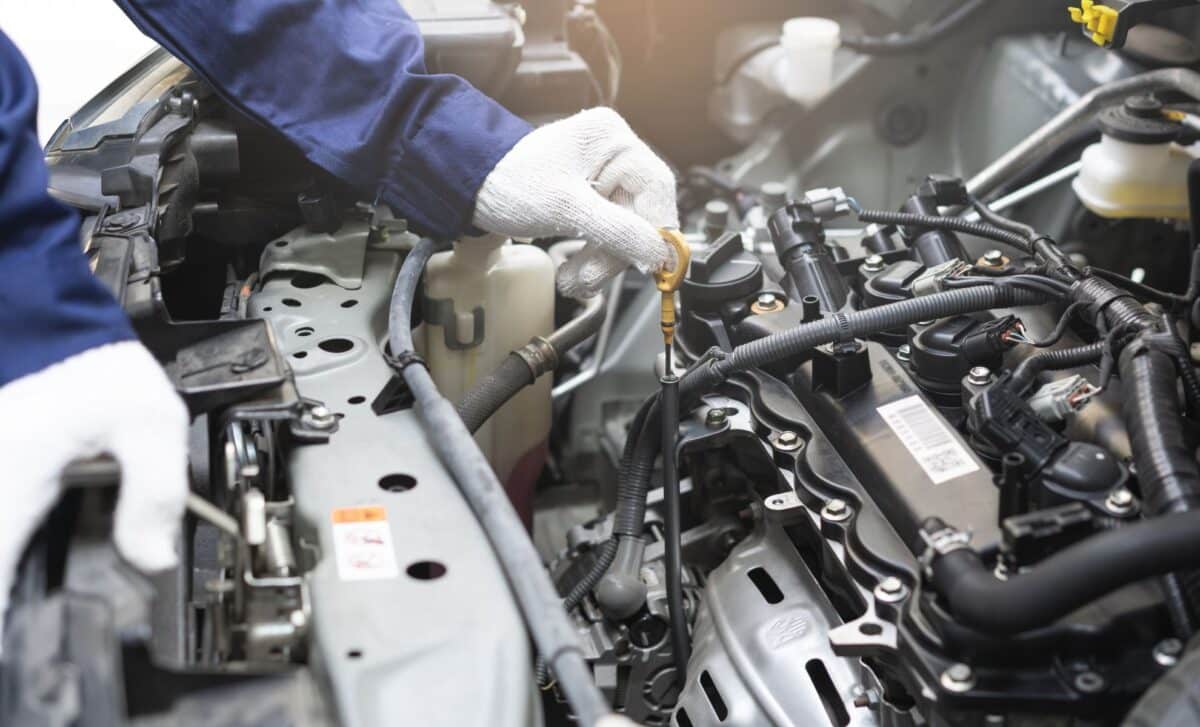
As part of the broader reform, experts are calling for an update to the MOT test itself, to ensure that critical safety features in modern vehicles are properly assessed. With increasing reliance on technology such as automatic emergency braking and lane assist, which are now standard in many cars, the question arises: is the current MOT test enough?
Tackling Fraud with New Image Capture Requirements
The most significant update to the MOT test comes in the form of a requirement for testers to take photos of each vehicle they examine. These images are uploaded directly into the DVSA’s digital MOT Testing Service (MTS), serving as a record that the car has undergone a genuine test. This development aims to eliminate the growing problem of “ghost” MOTs, where fake certificates are issued for vehicles that have never been inspected.
According to the DVSA, an initial trial conducted with 170 testers in 62 garages yielded positive results. The images captured during the test will be directly linked to the vehicle’s MOT record, preventing fraudulent certificates from being issued.
“The trial was a success,” the DVSA said in a June 2025 blog post. “This will help us to get insight on how we can improve the software and process for every kind of garage. We know there’s still room to refine and enhance image capture and upload, and we’ll continue making improvements as we go.” The photos will also serve as an audit trail, providing an extra layer of transparency in the testing process.
The new system, which will be rolled out in phases, is expected to strengthen confidence in the MOT system, making it more robust and secure. However, the DVSA also acknowledged that there is still work to be done in fine-tuning the software and improving the efficiency of the image capture and upload system.
The Call for a More Comprehensive MOT Test
While the image capture initiative addresses fraud, there are growing concerns about the MOT test’s ability to keep up with modern vehicles. According to James Harding from Blackcircles, a leading tyre provider, the MOT is no longer sufficient on its own to guarantee road safety.
“New car systems such as automatic emergency braking, lane assist, and parking sensors are now mandatory in many new vehicles and play a crucial role in modern road safety.” Harding explained. “Despite this, they’re not part of a standard MOT test and Industry experts are calling for their inclusion in future MOT tests, but challenges remain.”
These advanced systems, designed to prevent accidents and improve vehicle safety, are often not included in the MOT check, potentially leaving gaps in the vehicle’s overall roadworthiness assessment. Harding suggests that these features should be integrated into future MOT tests, although there are challenges, such as the need for updated testing equipment and training for testers.
As cars become more technologically advanced, it’s clear that the MOT test needs to evolve. Industry bodies, including the Institute of Motor Industry, have already called for the inclusion of real-time MOTs and remote diagnostics, where vehicles could be assessed virtually, sending live data to the DVSA. This would allow for a more comprehensive check of all critical systems and features, providing drivers with greater peace of mind about the safety and reliability of their vehicles.
In the meantime, drivers are encouraged to check their cars for minor issues, such as worn tyres or faulty lights, before their MOT. Ensuring these basic components are in good condition can improve the chances of passing the test first time and reduce the need for costly repairs.