Sainsbury’s has introduced a significant overhaul to its popular Nectar card system, requiring customers to use a QR code to collect and redeem points in-store. The move, which came into effect on October 27, is part of the supermarket’s efforts to enhance the security of its loyalty scheme. While the change is intended to protect customers’ accounts, it has sparked considerable frustration among those who feel the new system is unnecessarily complicated.
The retailer is encouraging shoppers to update their Nectar app to access the QR code, which will replace the traditional barcode method. While the shift aims to increase security, it has faced backlash from customers who find the new process inconvenient and disruptive.
Key Changes to Nectar Points System
From October 27, Sainsbury’s Nectar card users are now required to use a QR code within the app to both collect and spend points at Sainsbury’s stores. This change marks the end of the previous barcode system, which allowed customers to scan a barcode on their mobile app or physical card to redeem rewards. According to Sainsbury’s, the QR code system is being introduced as part of a broader effort to boost security and protect users’ accounts from potential fraud.
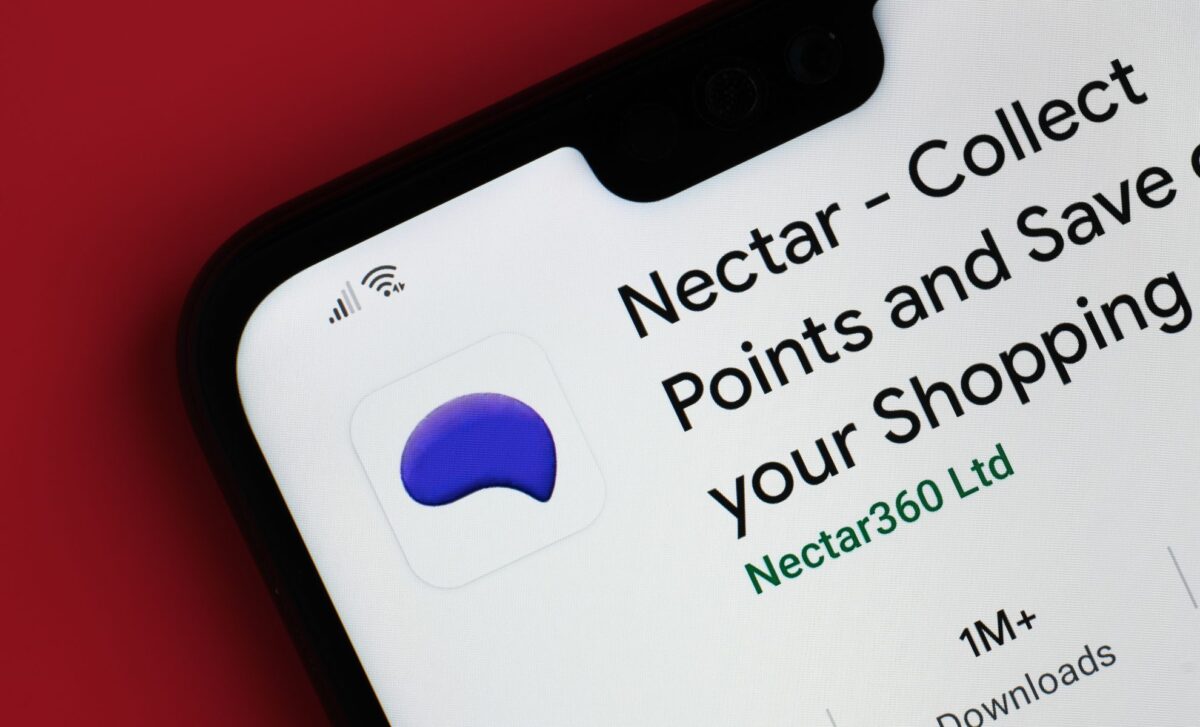
The supermarket has urged all Nectar cardholders to update their app to the latest version to access the QR code, which can be found on the home screen. For users who prefer to store their points digitally, the QR code can be added to their phone’s digital wallet. However, Sainsbury’s confirmed that customers will no longer be able to redeem points using the old barcode.
Shoppers who still use plastic Nectar cards will be able to collect points as usual by scanning the barcode, but when it comes to spending those points, they will now need to swipe the black magnetic strip on the side of the card at the chip and PIN machine.
Customer Backlash and Criticism
Despite the supermarket’s assurances, the new system has caused widespread frustration, with many customers voicing their discontent on social media. Shoppers have described the new process as “tedious” and “unnecessary,” with some even claiming that it complicates what was once a straightforward loyalty scheme.
One customer took to X (formerly Twitter) to express their dissatisfaction: “Thanks for stopping me using my Nectar card at your shops and having to use the app instead with its QR code etc… Not everyone has, needs, or wants to have an app on their phone – which was surely the point of the Nectar card.” Others complained that the transition was poorly communicated, with one customer describing the instructions in the email as “confusing” and “a mess.”
In particular, many users have raised concerns about the reliance on smartphones. One commenter said: “I refuse. It’s just another step to making us reliant on our smart phones & then digital ID.” While this sentiment does not reflect the view of all shoppers, it highlights a growing concern about the increasing role of technology in everyday transactions.
For some, the update has proved difficult to navigate, particularly for those using Android devices. According to Sainsbury’s, the Nectar app will not automatically update in Google Wallet. Users will need to manually add the new QR code if they miss the Google notification prompting the update.
Sainsbury’s Justifies the Changes
Despite the criticism, Sainsbury’s has defended the update, stressing that the change is essential for maintaining security. A spokesperson for the supermarket explained that the QR code system was designed to “safeguard our customer accounts” and that security is a top priority for the company.
The supermarket also pointed to previous issues with fraud, including a rise in fraudulent vouchers, as justification for the move. Last year, Sainsbury’s worked with police to address the growing problem of fake vouchers being used at stores. By shifting to the QR code system, the company hopes to create a more secure and robust platform for customers to collect and redeem their Nectar points.
While the response has been mixed, the changes appear to be part of a broader trend across the retail industry, where more businesses are looking to digital solutions to enhance security and streamline loyalty schemes.