As autumn brings colder, wetter days, UK households are being advised to carry out a quick, 30-second patio check before the end of October. This simple task could help prevent costly repairs in the future, potentially saving homeowners up to £1,700 in damage.
Experts are warning that neglecting to maintain outdoor paving now could lead to serious issues when the weather turns colder. A small amount of time invested in checking patios today can save a significant amount of money later on, especially with winter’s freeze and thaw cycle that often causes slabs to crack. This annual check can go a long way in ensuring that patios remain safe, functional, and cost-effective.
The Dangers of Winter Weather on Patios
According to paving experts at the Reclaimed Brick Company, moisture is the main culprit behind patio damage. As autumn sets in, damp days and reduced sunlight increase the likelihood that water will become trapped in the smallest gaps between slabs. When the first frosts arrive, this trapped water expands as it freezes, putting pressure on the paving and causing cracks or even breakage.
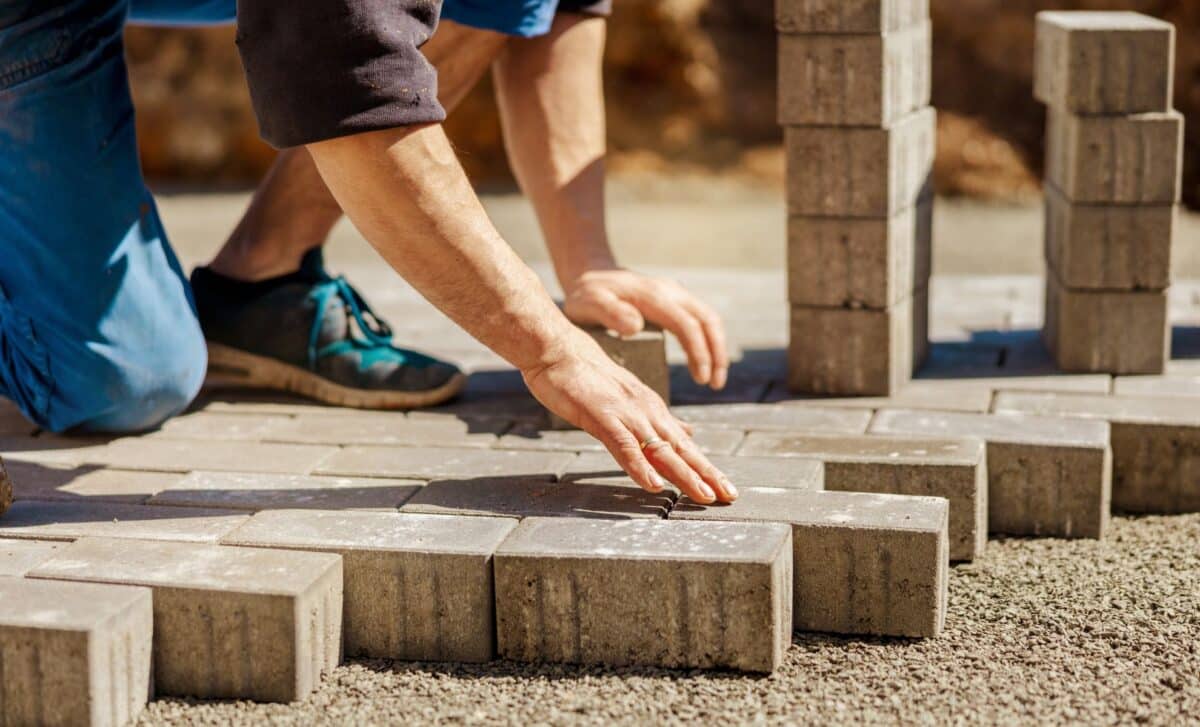
To avoid this, homeowners are encouraged to perform a simple 30-second test. By stepping on the edges of a few slabs, any that shift or make a clicking sound can be marked for immediate repair. This prevents larger issues from developing, such as loose blocks or shifting slabs, which could cost hundreds or even thousands of pounds to fix.

The Importance of Small, Preventative Maintenance
Topping up joint sand or patching cracked mortar can be done relatively cheaply, with a few bags of kiln-dried sand costing only a small amount. However, if left unattended, these minor issues could result in much larger repairs when water damage sets in. For instance, if mortar joints between slabs are cracked, repointing a typical terrace can become a costly job, particularly when labour and materials are factored in. If slabs start to lift or crack entirely, the process of re-bedding them and replacing the flags can run into hundreds of pounds.
Keeping drains and gullies clear is another vital aspect of patio care. When debris builds up in these areas, dirty water can pool under the paving, further exacerbating the chances of freeze-thaw damage. By regularly maintaining drainage, homeowners can avoid the costlier prospect of water damage that may lead to expensive patio replacements.
In short, the key takeaway is that regular, small fixes now could save homeowners significant costs down the line. Spending just a few moments each week to check for loose slabs, top up joints, and ensure drains are clear can maintain the longevity of the patio and prevent further damage in the harsh winter months. As the old saying goes, prevention is better than cure – and this is especially true when it comes to patio maintenance.