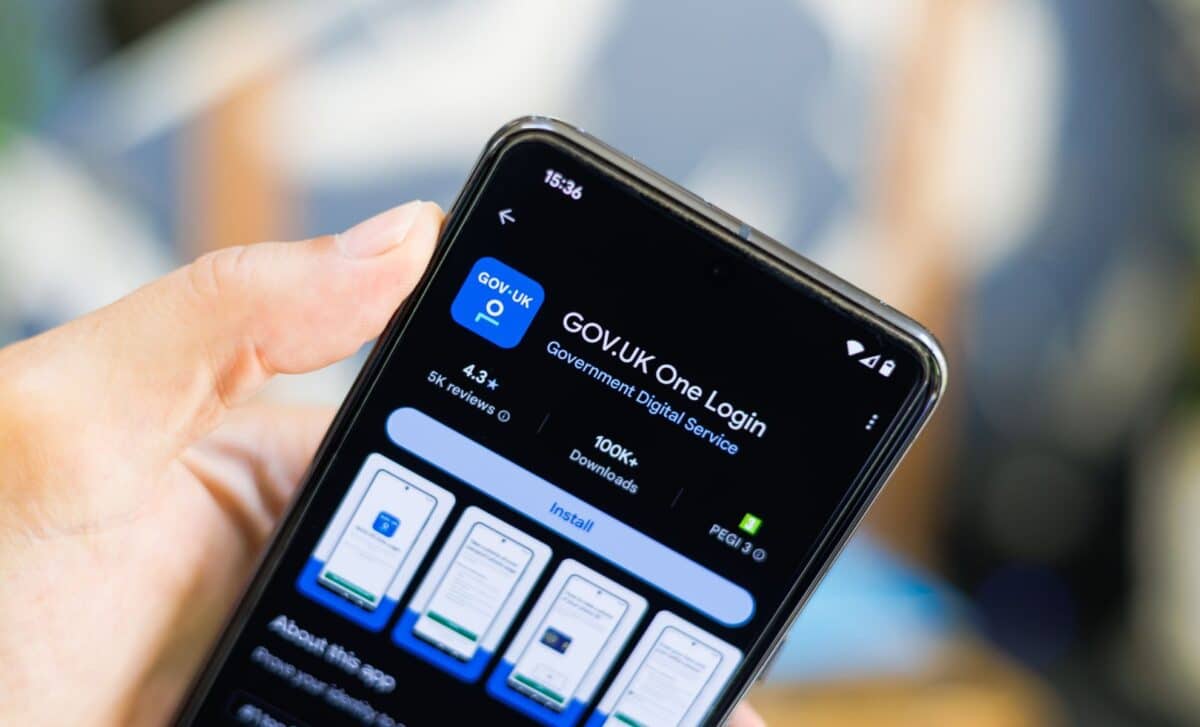
The UK government has officially rolled out the first digital identification card for veterans, making it easier for ex-service personnel to access benefits and services. This digital veteran card, available from today, is seen as the first milestone in a broader plan to digitise all government-issued IDs by 2027.
For now, the digital card is optional, but the government envisions this as part of a larger push to modernise public services. Veterans can download the card onto their smartphones through the GOV.UK One Login app, which is designed to simplify the process of proving eligibility for services, including healthcare, housing, and even discounts at shops and museums. With privacy and security top of mind, the digital card promises to ensure veterans can access critical services without the need for physical documentation.
The Veteran Card: A Pilot for Digital Government
The digital veteran card represents a significant leap forward in the UK’s plans to create a more streamlined and efficient public service system. According to a press release from the UK government, this initiative will make it easier for veterans to confirm their status and access services such as medical care and housing support. It also offers perks such as discounts on museum entries and retail purchases.
The card can be downloaded in minutes after an application via the GOV.UK One Login app, with secure biometric verification, including Face ID or fingerprint recognition, to protect personal data. For veterans, who number approximately 1.8 million in the UK, this marks the first of many government IDs that will be made available digitally, including driving licences and national insurance cards, in the coming years.
Digital government minister Ian Murray emphasised the advantages of the digital card, stating that it removes barriers and reduces bureaucracy for veterans, ultimately enabling them to navigate public services more easily. This digital transformation is expected to save time for individuals and streamline administrative processes for various government bodies, offering a significant step towards modernisation.
Security and Privacy Concerns Remain
Despite the obvious benefits, the shift to digital IDs has raised concerns about security and privacy, particularly regarding the handling of personal data. Critics have pointed to the potential risks of storing sensitive information in one place and the vulnerability of such data to cyber-attacks.
However, the government has been clear in its response, assuring that the digital veteran card operates through a “federated” system. This means that sensitive data remains with the relevant authorities – such as the Ministry of Defence for veterans – rather than being pooled into a single, centralised database. According to a report by The Guardian, officials have also stressed that the system will be secure, with high-level encryption and robust verification methods in place to protect users’ personal information.
While the digital veteran card is voluntary for now, it is expected that the government will push forward with the digitisation of other identification documents. The digital veteran card, then, serves as both a proof of concept and a demonstration of what’s to come. The government’s continued emphasis on security and privacy will likely be a crucial factor in how the public responds to the rollout of additional digital IDs in the future.