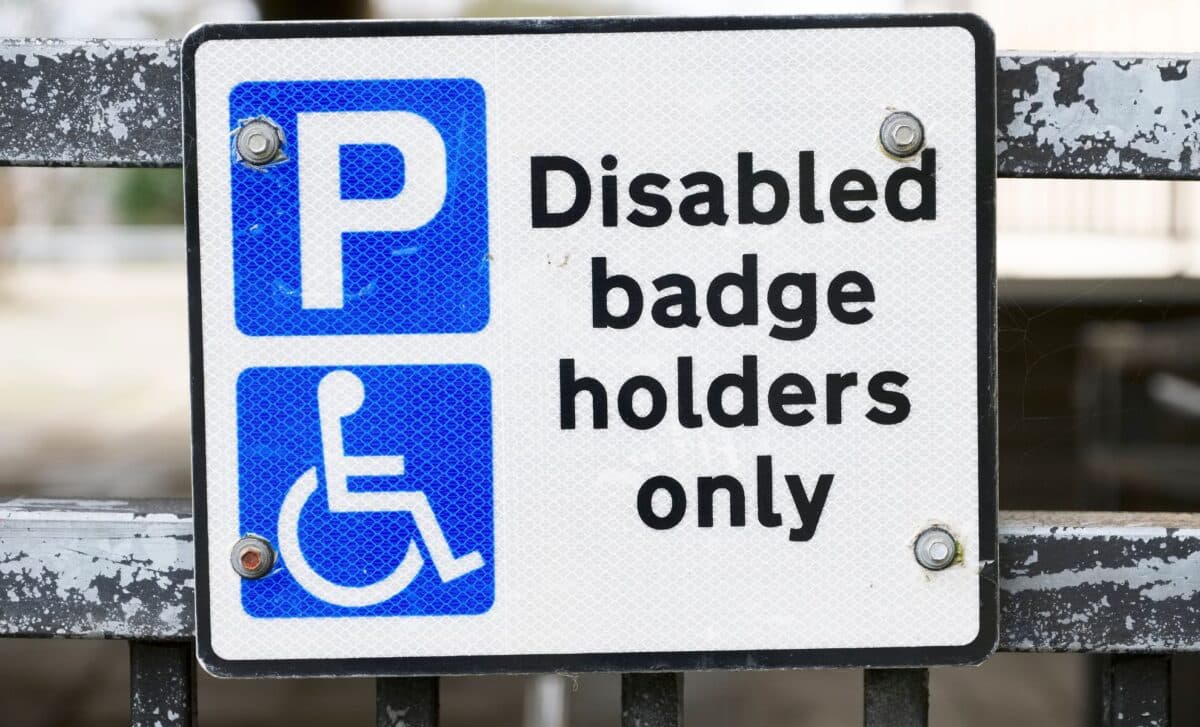
The Blue Badge scheme offers crucial support for millions of people with disabilities, allowing them to park closer to essential services. However, recent updates highlight the strict responsibility of holders to return their permits under certain circumstances, with fines of up to £1,000 for non-compliance.
The latest figures from the Department for Transport reveal that there are currently more than 3.2 million Blue Badge holders in England and Scotland. Introduced to assist people with mobility issues, the scheme was extended in 2019 to include those with hidden disabilities, such as Parkinson’s disease, dementia, and epilepsy. While this broadening of eligibility has been a step forward, it also comes with stringent regulations to prevent misuse of the badge, including the requirement to return the permit when no longer needed.
Clear Rules for Returning the Blue Badge
A Blue Badge must be returned to the local council under several specific circumstances, as outlined by the Department for Transport. If a badge becomes damaged or faded to the point of being illegible, it must be replaced, and the old one returned. Similarly, if a badge holder no longer requires the permit, whether due to improved mobility or a change in health status, it must be handed back.
Another key reason for returning a badge is if it has expired. With many Blue Badges valid for a few years, the responsibility lies with the holder to ensure that the permit is not used once it is no longer valid. Lastly, if a replacement badge has been issued due to loss or theft and the original is later recovered, the original permit must be returned to avoid misuse. According to the Department for Transport, failure to comply with these rules could lead to a fine of up to £1,000, a significant penalty designed to protect the integrity of the scheme.
The Eligibility Criteria and Application Process
The Blue Badge scheme is designed for individuals with significant mobility challenges, but eligibility extends beyond physical disabilities. People with severe sight impairments, certain mental health conditions, or those who care for children under three years old with specific medical needs can also apply. Automatic qualification is available for those receiving specific benefits such as the higher rate of the mobility component of Personal Independence Payment (PIP) or the War Pensioners’ Mobility Supplement.
For those who are not automatically eligible, applications can be made online through the local council, where applicants must provide proof of identity, address, and medical condition. As the number of Blue Badge holders continues to rise, it’s increasingly important for individuals to understand their responsibilities, ensuring that the system remains fair and that spaces designated for those who truly need them are not misused.
In summary, while the Blue Badge offers essential support, holders must be vigilant about returning their permits when necessary to avoid significant penalties. The balance between accessibility and fairness is key to maintaining the scheme’s effectiveness.