
Over the past decade, the banking landscape in the UK has undergone a significant transformation. Major financial institutions, such as Lloyds, NatWest, and Halifax, have been steadily closing branches nationwide. This shift reflects the increasing move towards digital banking services, but it also raises concerns for communities that depend on in-person support for their banking needs.
In 2025, a further 113 bank branch closures are planned, a trend that continues to expand across the country. According to a report from GBNews, this ongoing reduction of physical locations is posing challenges to access banking services for many individuals, particularly in rural areas.
The Rise of Digital Banking and Branch Closures
In recent years, the UK has seen a substantial decline in the number of high street bank branches. According to research by consumer champion Which?, over 6,000 bank branch closures have occurred since 2015. The surge in digital banking is largely responsible for this shift, with many customers opting for online services rather than visiting physical locations.
Banks argue that the closures reflect changing customer behaviors, with more individuals using smartphones and computers for banking tasks like transferring money, checking balances, and paying bills.
However, not all consumers are ready to embrace digital-only solutions. Elderly individuals, rural residents, and those without reliable internet access often struggle to use online platforms effectively. This has raised concerns about accessibility to essential banking services for vulnerable groups.
Which Banks Are Affected?
The latest round of branch closures includes major financial institutions such as Lloyds, NatWest, and Halifax, with 113 closures planned for the remainder of 2025. Locations set to shut down include branches in cities like Leeds, Manchester, and Cardiff, as well as smaller towns like Hexham and Biggleswade.
Here is a list of upcoming closures:
- Lloyds Bank:
- Leeds (Cross Gates) – August 20
- Hornchurch – September 11
- London Tooting – October 8
- Stoke-on-Trent (Trent) – October 10
- Southall – October 15
- Kidderminster – October 16
- Bury – October 21
- Walthamstow High Street – October 22
- Coventry (Foleshill) – November 4
- Dunstable – November 4
- Feltham – November 4
- Plymstock – November 4
- Biggleswade – November 5
- Hexham – November 5
- Manchester (Newton Heath) – November 5
- Bristol Bishopsworth (Church Road) – November 6
- Blandford Forum – November 10
- Chard – November 11
- Sheffield (Woodhouse) – November 11
- Shipston-on-Stour – November 11
- Debden – November 12
- East Grinstead – November 12
- Ferndown – November 17
- Pontardawe – November 20
- Halifax:
- Northwich – September 3
- Skegness – September 3
- Castleford – September 8
- Barrow-in-Furness – September 10
- Brentwood – September 10
- Epsom – September 15
- Richmond (Surrey) – September 16
- Long Eaton – September 18
- London Clapham Junction – September 23
- Rhyl – September 23
- Erdington – September 24
- Cirencester – September 25
- Walkden – September 25
- Woolwich – October 1
- Carmarthen – October 6
- Hayes (Hillingdon) – October 6
- Southport – October 7
- Bristol (Kingswood) – October 8
- Folkestone – October 9
- Manchester (Stretford) – October 15
- Mold – October 16
- Hove – October 20
- Telford – October 22
- Bexleyheath – October 23
- Derby – October 23
- Stevenage – October 23
- Blackpool (South Shore) – October 29
- Eltham – October 29
- Wickford – November 10
- Hexham – November 11
- Bolton – November 20
- NatWest:
- Cwmbran – September 1
- Wisbech – September 1
- Leicester (Melton Road) – September 2
- Rayleigh – September 2
- Halesowen – September 3
- Bristol (Fishponds) – September 4
- Llangefni – September 4
- Ely – September 10
- Leicester (Oadby) – September 10
- Birmingham (Edgbaston) – September 11
- Cardiff (Llanishen) – September 11
- Luton (Leagrave) – September 15
- Northampton (Weston Favell Shopping Centre) – September 15
- Birmingham (Acocks Green) – September 16
- Cardiff (Canton) – September 16
- Cirencester – September 17
- Hinckley – September 17
- Wickford – September 18
- Willerby – September 22
- Abingdon – September 24
- Newmarket (Suffolk) – September 24
- Birmingham (Smethwick) – September 25
- Yate – September 25
- Bicester – September 30
- Sudbury – September 30
- Melton Mowbray – September 29
- Ringwood – October 1
- Leamington Spa – October 1
- Birmingham (Shirley) – October 1
- Paignton – October 2
- Stevenage – October 7
- Wellingborough – October 7
- Midsomer Norton – October 8
- Stratford-upon-Avon – October 8
- Neath – October 13
- Romsey – October 13
- Redditch – October 14
- Chippenham – October 15
- Lowestoft – October 15
- Trowbridge – October 16
- Honiton – October 21
- Mold – October 21
- Dorchester – October 22
- Bridgwater – October 27
- Leighton Buzzard – October 28
- Bridport – October 29
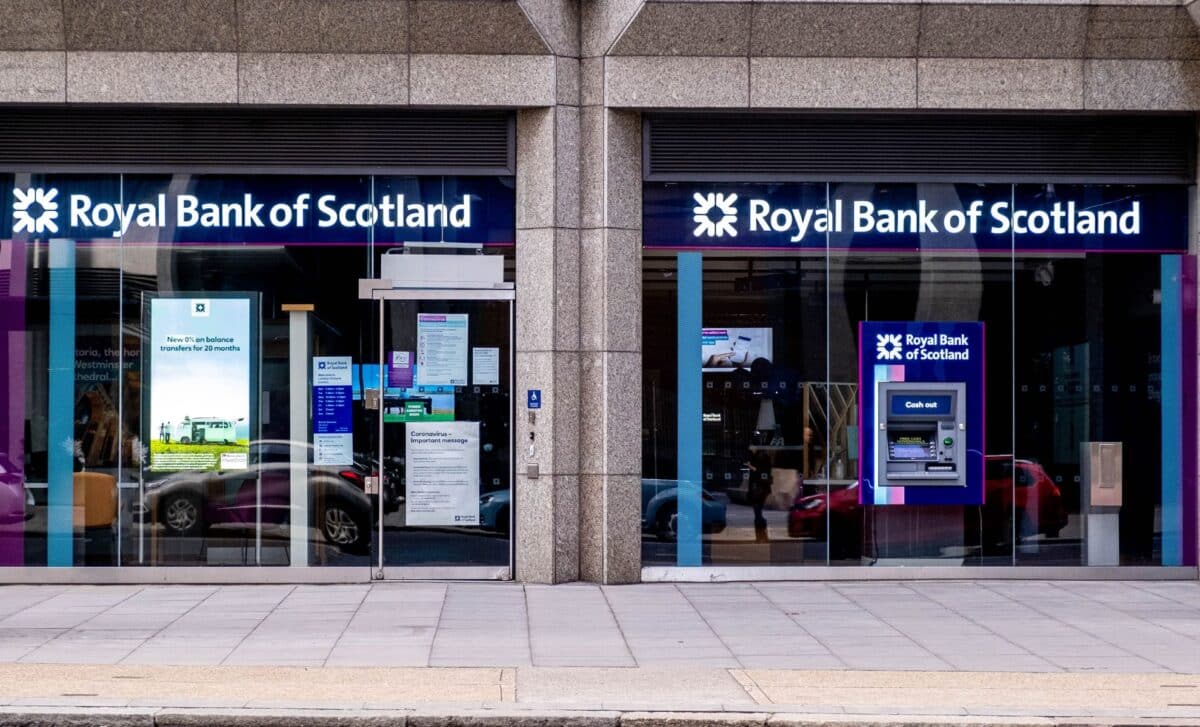
- Bank of Scotland:
- Edinburgh (Corstorphine) – October 29
- Pitlochry – October 30
- Thornhill – November 3
- Moffat – November 19
The Social and Economic Impacts of Bank Closures
While the rise of digital banking has brought convenience to many, the social and economic impacts of bank branch closures cannot be overlooked. For customers who rely on face-to-face banking services, such as older adults and those with limited technology skills, these closures represent a significant challenge.
In addition to individuals, local economies may suffer from the loss of a bank branch. High streets often depend on the presence of banks as anchor tenants, drawing foot traffic to the area. As branches close, local businesses may also feel the economic impact, with fewer people visiting town centers.
Moreover, cash access is becoming increasingly limited. Despite the popularity of digital payments, a large portion of the population still depends on cash for everyday transactions. The closure of local branches can make it harder for people to access cash, especially in rural or low-income areas.
Sam Richardson, deputy editor of Which? Money, commented on the situation:
“This milestone of more than 6,000 bank branch closures in just nine years underscores the seismic shift that has taken place in terms of our banking habits and the character of the British high street.”