
The Department for Work and Pensions (DWP) has released new data revealing that more than 700,000 older people in the UK are currently claiming Personal Independence Payment (PIP), a financial support designed to help individuals living with disabilities.
This payment can notably increase the monthly income of eligible recipients, particularly among older adults facing health-related challenges. According to DevonLive, the payment offers varying levels of support depending on the claimant’s needs, with some recipients potentially receiving substantial financial aid. Despite its widespread use, many older people may still be unaware of their potential eligibility for this benefit.
PIP Can Provide Up to £1,670.80 Monthly for Eligible Recipients
According to the DWP, a person over State Pension age receiving the full New State Pension alongside the highest PIP rates for both daily living and mobility components could see their monthly income reach £1,670.80.
While the State Pension is based on National Insurance contributions, PIP eligibility depends on a health condition or disability that affects daily life or mobility.
The full, New State Pension is valued at £230.25 per week (or £921 every 4-week pay period), while the Basic State Pension can provide up to £176.45 per week (or £705.80 every 4-week pay period).
Combining the full New State Pension and the highest PIP award could provide an income boost of up to £1,670.80 monthly.
PIP is not means-tested and can be paid in addition to pension income. For the 2025/26 financial year, eligible individuals may receive between £116.80 and £749.80 every four weeks in PIP payments, depending on the level of support awarded.
Over 700,000 Older PIP Recipients in the UK
As of April 2025, the number of PIP claimants aged 65–79 across England, Scotland, and Wales is as follows:
- Aged 65–69: 424,614
- Aged 70–74: 219,089
- Aged 75–79: 69,013
- Total: 709,710
These figures underscore the widespread reliance on PIP among older adults with long-term physical or mental health conditions.
Changes to PIP Guidance May Benefit Those Nearing Retirement
Many individuals over age 56 may not be aware of a 2019 update to PIP guidance. The DWP now generally awards ongoing PIP support to claimants whose review would have occurred when they reached State Pension age.
Claimants whose review would have taken place when they were of State Pension age means that they are now generally awarded ongoing awards.
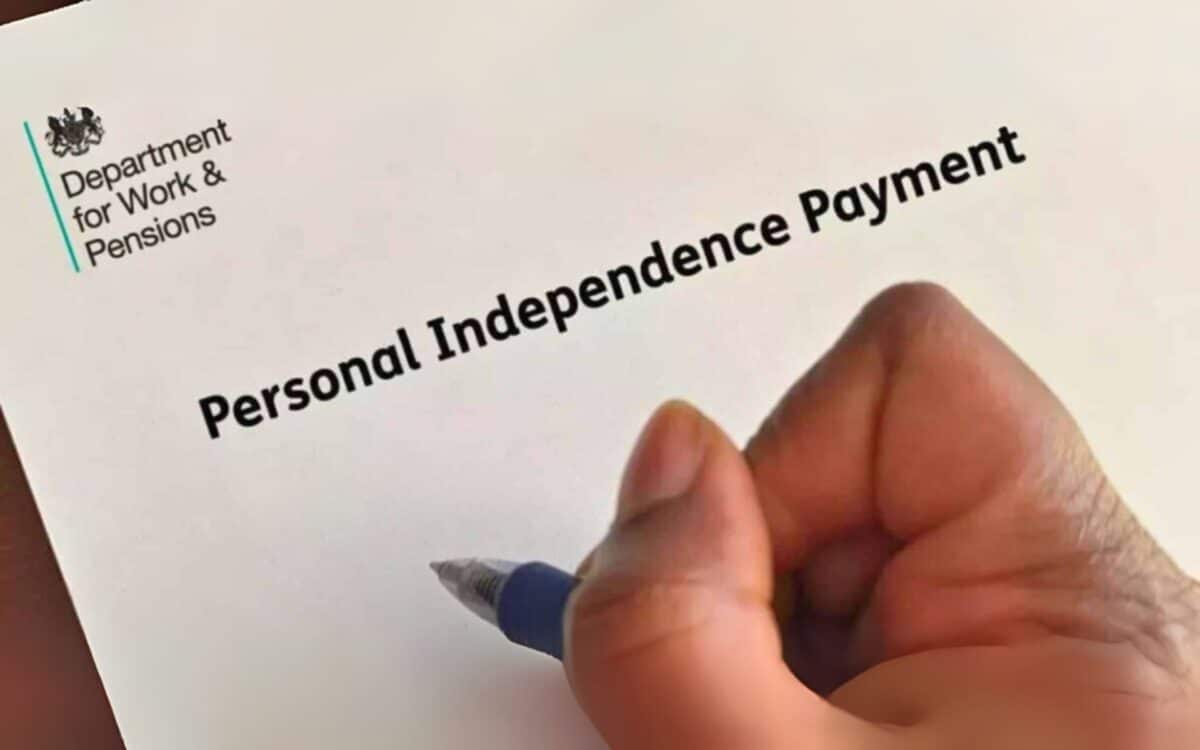
PIP awards are determined individually, based on the claimant’s condition, the expected progression, and any treatments or adaptations. Awards may range from short-term (under 2 years) to long-term or indefinite, depending on the circumstances.
The review period for PIP awards generally ranges from a minimum of nine months to a maximum of 10 years. Review periods of less than nine months are set only in exceptional circumstances.
PIP Eligibility Criteria and Payment Rates
To qualify for PIP, a person must have experienced difficulties with daily activities or mobility for at least three months, with the expectation that these will persist for nine months or more.
Applicants typically must have lived in the UK for two of the past three years.
The current PIP payment rates are:
- Daily Living
- Standard rate: £73.90
- Enhanced rate: £110.40
- Mobility
- Standard rate: £29.20
- Enhanced rate: £77.05
PIP covers a wide range of daily challenges, such as managing medicines or treatments, washing, bathing, using the toilet, managing incontinence, working out a route and following it, leaving your home, mixing with other people, talking, listening, reading and understanding, physically moving around, eating, drinking or preparing food, dressing and undressing, and making decisions about money.
Combining PIP With State Pension Income
Older adults receiving the full New State Pension (£921 every 4 weeks) and the highest PIP award (£749.80) may see their combined income rise to £1,670.80 monthly.
Although the payments are processed separately, together they can provide a substantial supplement for those living with chronic health conditions.
Anyone who believes they may be eligible can find more detailed guidance and apply through the official GOV.UK website.