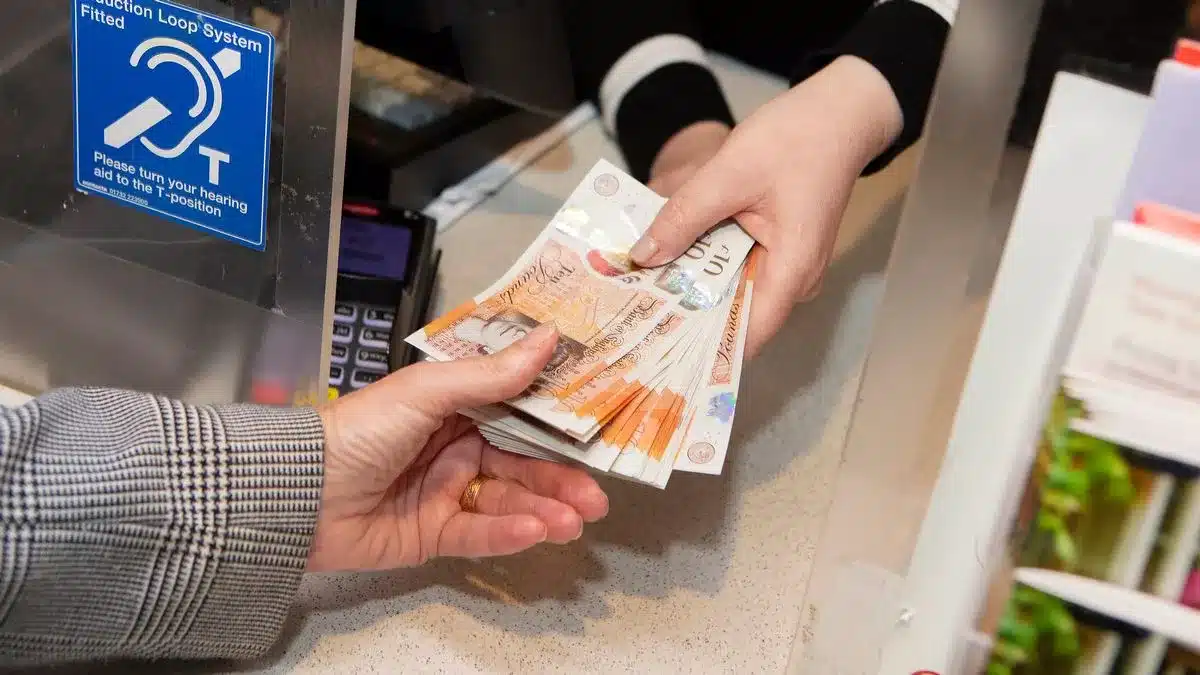
Six major high street brands have stopped accepting cash payments in some or all of their stores, sparking backlash from pro-cash campaigners. As reported by Express.co.uk, brands including Zizzi’s, Gail’s Bakery, and Itsu have transitioned to card-only payments, citing reasons such as speed, security, and environmental benefits. Supermarkets such as Tesco, Asda, and Sainsbury’s have also introduced cashless policies at some of their petrol stations and cafés, making digital payments the only option for customers.
Critics argue that this shift alienates customers who still rely on physical cash, with the Payment Choice Alliance calling the move “completely unacceptable” and pushing for new laws requiring businesses to accept cash.
Which Brands Are Now Cashless?
The move toward cashless transactions has gained momentum, with several well-known brands making the switch. Italian restaurant chain Zizzi’s has gone fully cash-free in most of its restaurants, only accepting card, Apple Pay, or Google Pay, though cash is still accepted for tips.
Gail’s Bakery, which operates over 150 locations nationwide, also no longer takes cash, claiming that the policy has environmental benefits and improves security by reducing the risk of theft. The bakery stated:
“We only accept card payments. This practice has environmental benefits as it eliminates the need for cash collection and delivery, which used to be done by car several times per week across over a hundred locations. Additionally, being cashless has had a positive impact on the security of our bakeries by minimising the risk of criminal activity.”
Similarly, restaurant chain Itsu has been rolling out card-only payments since 2019, trialing the policy in locations where card transactions were already dominant.
Supermarkets Moving Toward Cashless Payments
Beyond restaurants and bakeries, supermarkets have also introduced cashless payment policies at some locations. Tesco announced in August that 40 of its UK cafés would no longer accept cash, instead requiring customers to order at digital kiosks and pay by card or contactless methods.
Asda has followed suit, making nearly 270 petrol stations cash-free, stating that more than 90% of payments at its fuel pumps were already made via card. While Sainsbury’s still accepts cash in most locations, an increasing number of its stores and petrol stations have also shifted to card-only payments.
The Debate Over Cashless Transactions
The move away from physical cash has sparked criticism from consumer groups and pro-cash campaigners. Ron Delnevo, chairman of the Payment Choice Alliance, has been vocal about the potential consequences, arguing that businesses are failing to consider the needs of all customers. He stated:
“The vast majority of the public want cash to be honoured as a payment. These businesses are letting down the public.”
There is also confusion surrounding legal tender laws, with some customers believing businesses are legally required to accept cash. However, according to the Bank of England, businesses are free to choose what payment methods they accept.
What Does This Mean for the Future of Payments?
The trend toward cashless retail is continuing to grow, with many businesses opting for digital payments due to perceived benefits in efficiency, security, and convenience. However, the pushback from consumer advocacy groups suggests that the debate is far from over, with calls for new regulations to protect access to cash payments.
As more retailers move toward card-only transactions, the question remains: Will cash eventually disappear from the high street, or will regulations force businesses to keep it as an option?