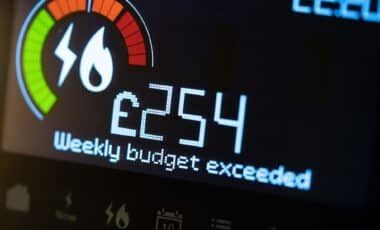
As the UK faces rising energy costs this winter, attention is turning to small domestic changes that can have a significant financial impact. With households using more lighting during the darker months, even minor changes in lighting habits could result in measurable savings.
The timing is particularly relevant. The festive period brings extended lighting use, and as families entertain and stay indoors longer, lights are often left on for hours or even overnight. This, combined with persistent heating demands, pushes energy consumption higher, making affordable solutions all the more relevant.
LED Bulbs Offer Immediate Savings with Lower Energy Consumption
The most significant potential saving comes from a basic swap, replacing standard incandescent bulbs with LED alternatives. According to Julia Barnes, Buying Director at ValueLights, a standard 60W bulb left on overnight throughout the year could cost a household £65.75. A 100W bulb used in the same way could raise that figure to £111.17.
By contrast, the annual cost of using an LED bulb in the same scenario is just £5.59. This results in a possible saving of up to £105.58 per bulb, Barnes explained, as reported by the Express. LEDs use up to 90% less energy while emitting the same, or even greater, brightness. They also offer longer operational lifespans, making them more cost-effective in the long term.
Barnes added that lighting often stays on for longer during Christmas and New Year, either due to guests, overnight use or for security reasons. In such situations, opting for LED lighting becomes not just a practical decision but an economical one. “The savings are huge and a real no-brainer,” she said.
The advice also reflects broader energy trends across the UK, where households are encouraged to adopt energy-efficient technologies. According to Barnes, making these adjustments does not require large investments or technical skills, making them accessible to a wide audience.
Dimmers and Efficiency Ratings Can Further Reduce Household Costs
Beyond the bulb swap, the expert also recommends two lesser-known strategies to trim energy use: installing dimmer switches and checking energy efficiency ratings on bulb packaging.
According to Barnes, dimmer switches work by limiting the amount of electricity flowing through a bulb. This not only reduces energy consumption during use but also extends the bulb’s lifespan. “Switching to a dimmer is a practical tip that genuinely will save energy without compromising on quality or ambience,” she noted.
Efficiency ratings, often printed on the back of packaging, range from A to G. A-rated bulbs are the most efficient and can contribute to lower household energy costs, particularly in high-use areas such as kitchens and living rooms. “Switching to better rated bulbs is really important in high traffic areas,” Barnes stated.
These tips are particularly relevant as UK households continue to experience the effects of the cost of living crisis. With minimal effort and low upfront costs, the measures outlined provide realistic options for families looking to reduce utility bills without making major lifestyle changes.