

The UK government’s decision to reinstate the £300 Winter Fuel Payment has triggered renewed debate over public spending priorities and fiscal policy constraints. Initially announced as a measure to support pensioners through the winter months, the policy has since become a point of contention within political and financial circles.
Coverage from Birmingham Mail highlighted the growing concerns surrounding how the benefit will be funded without breaching key manifesto commitments. Behind the scenes, pressure is building across government departments, as officials weigh the financial implications of the decision and explore limited options for offsetting its long-term cost.
Labour Faces Financial Recoil From Popular Pension Policy
The reinstatement of the £300 Winter Fuel Payment was initially welcomed across the country. For millions of pensioners, it represents a vital buffer against rising energy bills during the colder months.
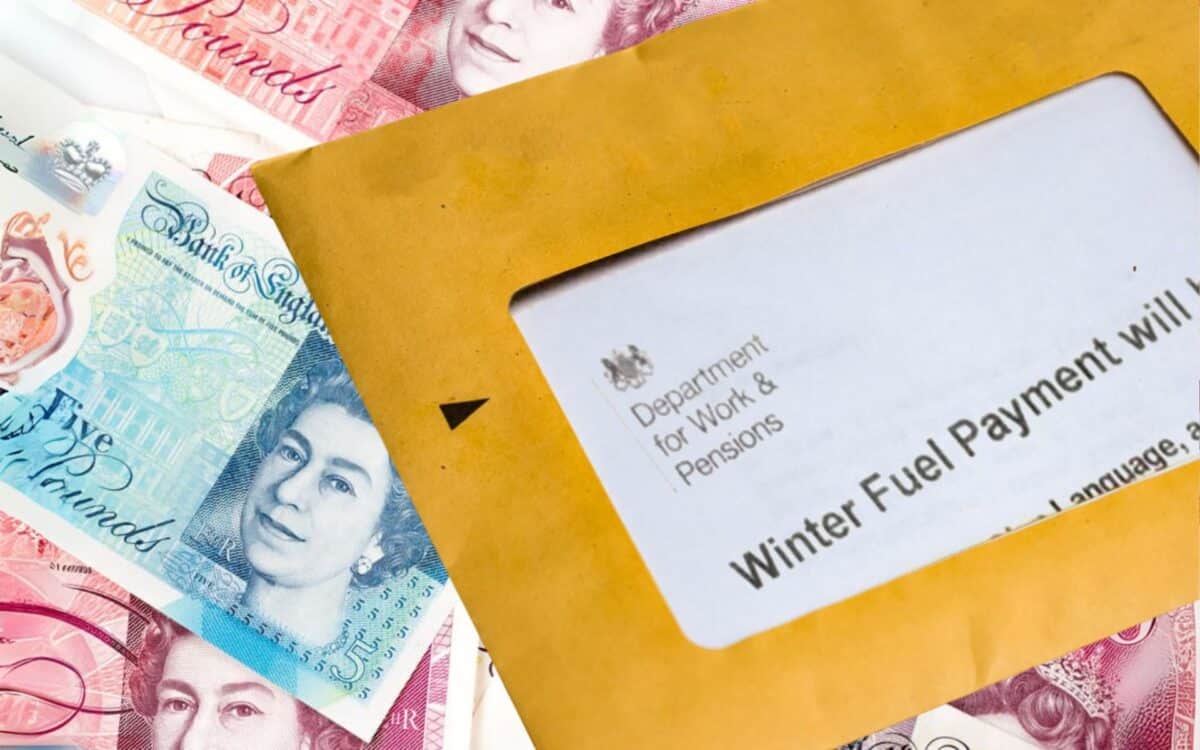
But from a financial perspective, the policy has backfired. It has intensified pressure on the government’s already stretched fiscal framework—especially given Labour’s explicit manifesto pledge not to raise the “big three” taxes: National Insurance, VAT, or income tax.
As Daniel Casali, chief investment strategist at Evelyn Partners, explained:
Efforts to find further savings are complicated by internal Labour Party divisions, with MPs rebelling against measures such as means-testing the Winter Fuel Allowance and cutting welfare spending.
This leaves tax increases as the primary lever to balance the books. However, the Labour manifesto pledged not to raise any of the ‘big three’ taxes – National Insurance, VAT, or income tax – which together account for nearly 75% of total tax revenues.
Casali warned that public and parliamentary scrutiny would only increase:
There will be scrutiny on how the Chancellor can credibly raise additional revenue. Potential options could include closing tax loopholes, reforming capital gains and inheritance tax. However, each option comes with political and economic trade-offs.
With nearly three-quarters of all tax income effectively ring-fenced by Labour’s pledges, the government’s room to maneuver is limited. And the £300 Winter Fuel Payment, while politically beneficial in the short term, may end up forcing deeper structural shifts in the fiscal framework.
Treasury Imposes Strict Controls On Ministerial Spending
In a further sign of fiscal tightening, cabinet ministers have been told they cannot rely on the Treasury reserve to finance public sector pay increases, except under rare and exceptional circumstances.
James Murray, Chief Secretary to the Treasury, issued a clear directive to his colleagues:
Departments must take responsibility for managing pressures and making choices about priorities without relying on the reserve.
Murray’s letter also stressed the importance of long-term structural reform within Whitehall:
We must deliver the efficiency plans set out in June – reducing administrative budgets, including those of arm’s-length bodies and agencies – and deliver comprehensive digital transformation.
These June reforms, while not headline-grabbing, are central to Labour’s efforts to rein in public expenditure. Departments are expected to modernize systems, reduce bureaucracy, and implement tech-driven efficiencies—all while absorbing added costs like the £300 Winter Fuel Payment within existing budgets.
Market Pressures Complicate Budget Calculations
Alongside political resistance and budget constraints, Labour now faces growing pressure from the financial markets. The gilt yields, which reflect investor confidence in the UK’s economic and fiscal management, have become a key signal to watch.
Casali highlighted the multiple variables influencing these indicators:
Gilt yields reflect more than fiscal policy alone. They also capture expectations around short-term interest rates, inflation and broader monetary conditions.
This complexity means that even small policy changes—such as reinstating the Winter Fuel Payment—can have knock-on effects on borrowing costs and investor sentiment. If the government is seen as fiscally lax, markets could react, raising the cost of debt and undermining long-term stability.