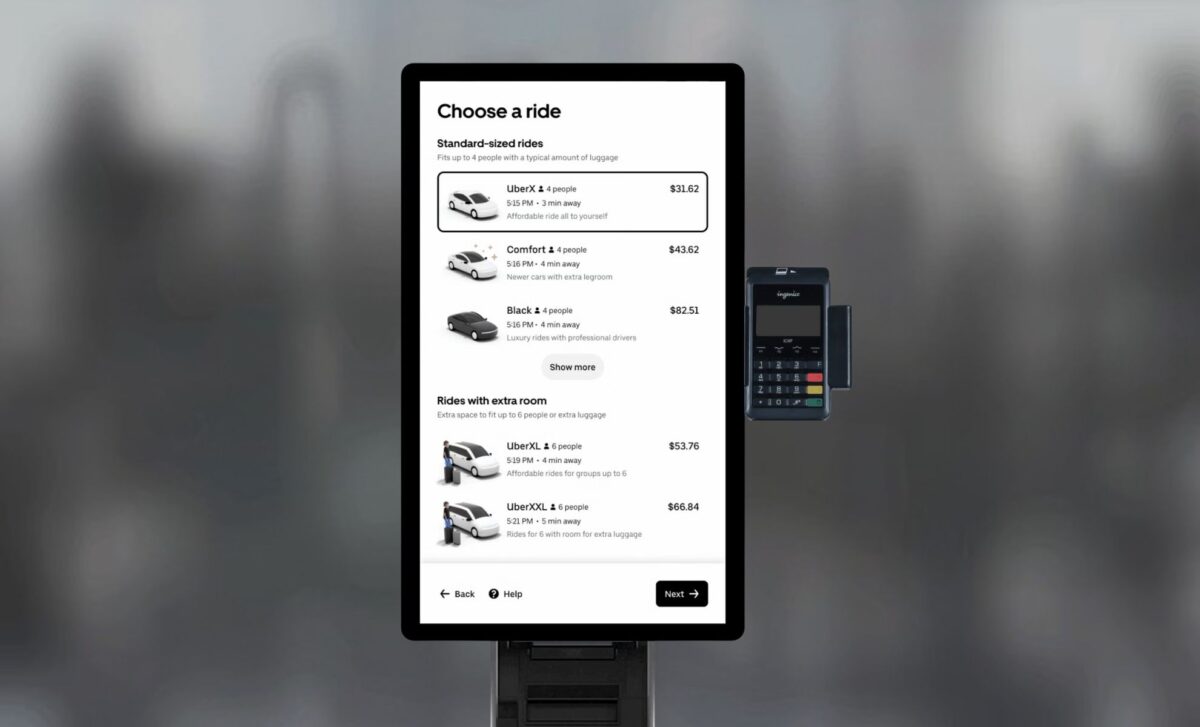
As international tourism to the U.S. continues to rise, especially ahead of major events like the World Cup, Uber’s latest innovation promises to ease the booking process for newcomers. The kiosks offer a nostalgic yet practical solution that harkens back to traditional taxi lines, where travelers would wait in line to hail a ride.
A Phone-Free Way to Book Rides
To cater to the growing number of international travelers, Uber is rolling out its new phone-free ride-booking kiosks. The first kiosk, located at LaGuardia Airport’s Terminal C, will allow users to bypass the Uber app entirely. Instead of using their smartphones, travelers can approach the kiosk, enter their destination and preferred ride type, and receive a paper receipt with the details of their trip.
According to Uber, this service is “perfect for international visitors arriving without a local data plan.” While many tourists may struggle with costly roaming charges or may not have access to Wi-Fi upon arrival, the kiosk offers a seamless alternative. Uber envisions the kiosks being rolled out in more locations, including international airports, hotels, and ports, expanding the service to even more travelers.
By reintroducing the concept of a physical booking point, Uber provides an accessible way to secure transportation for those who are unfamiliar with digital tools. “Simply walk up to the kiosk, enter your destination, then start your ride type,” the company stated. The move to add more kiosks in busy areas, especially airports, highlights Uber’s commitment to meeting the needs of global travelers.
Expanding Uber’s Presence at Key Travel Hubs
While LaGuardia Airport will be the first to feature these new kiosks, Uber has confirmed that it plans to roll out the service at additional locations soon. According to a spokesperson, the company sees the addition of these kiosks as a “strong opportunity” to improve its presence as major global events, like the World Cup, bring more international visitors to the U.S.
Moreover, Uber is enhancing its operations at key airports. The company also announced the launch of the Uber Shuttle service at Newark Liberty International Airport, joining LaGuardia and John F. Kennedy International Airport as part of the shuttle network. This service allows passengers to easily navigate between terminals and nearby locations, further solidifying Uber’s place in the transportation ecosystem at major U.S. airports.
The addition of these services reflects Uber’s ongoing effort to streamline the travel experience for users across all stages of their journey. Whether it’s simplifying ride-booking for international travelers or providing reliable shuttle services between terminals, Uber is keen to ensure that the convenience it offers is accessible to all passengers, regardless of their tech-savviness or local connectivity.
A Step Toward Autonomous Ride Services
As Uber continues to innovate in the transportation space, it is also preparing for the launch of autonomous vehicles. In July, the company announced plans to roll out its first robotaxis in 2026. Developed in collaboration with electric car company Lucid and self-driving technology firm Nuro Inc., these autonomous vehicles will be exclusive to Uber and based on the Lucid Gravity SUV model. While the service will initially be available in the San Francisco Bay Area, Uber’s long-term goal is to deploy over 20,000 autonomous taxis in multiple locations.
The phone-free kiosks represent just one facet of Uber’s larger strategy to revolutionize urban mobility and cater to diverse user needs. By leveraging both physical and digital innovations, Uber is positioning itself as a forward-thinking leader in the rapidly evolving world of transportation.