The cost of owning a home has become a central issue in American politics. As the 2026 elections approach, proposals touching the housing sector are drawing significant attention, particularly those targeting middle-class voters.
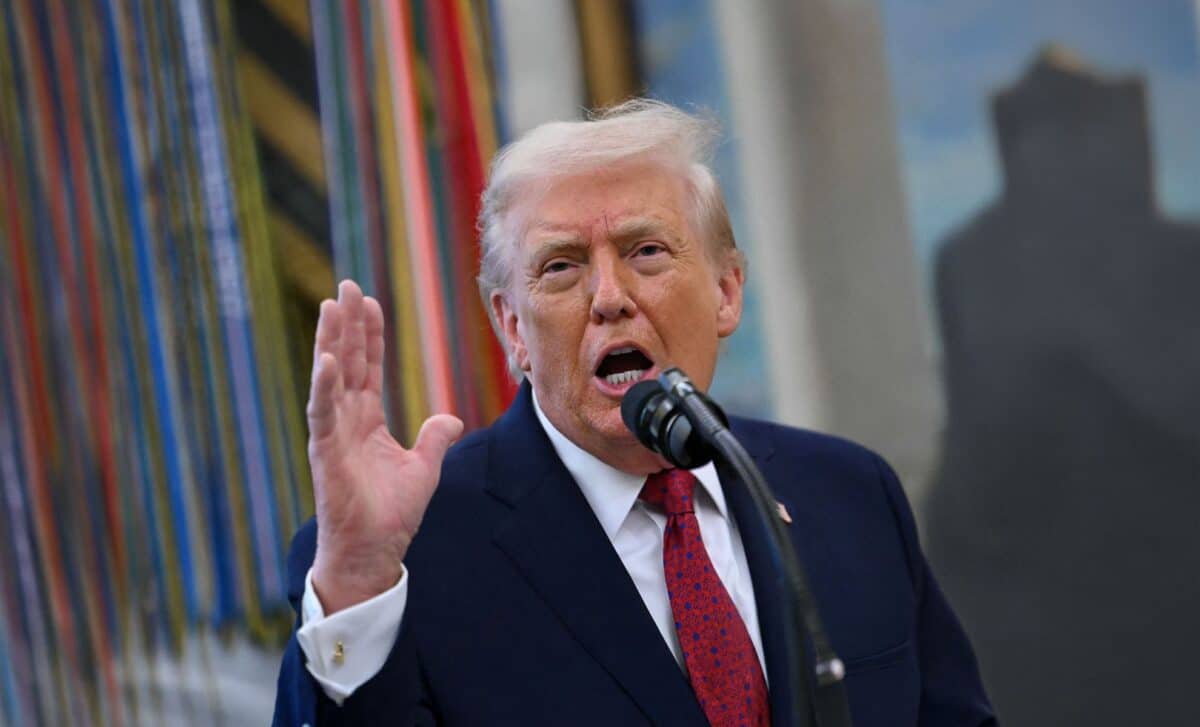
President Donald Trump, speaking at the World Economic Forum in Davos, Switzerland, this week, made a passing remark that hinted at a possible shift in tax policy: extending depreciation deductions to homeowners’ primary residences. While the comment was not part of a formal policy announcement, it marked the first time the idea has been publicly floated by the White House.
Depreciation Deduction Could Be Extended to Owner-Occupied Homes
Currently, US tax law allows property owners to claim depreciation deductions on rental or income-generating properties, helping them offset costs tied to the natural wear and tear of buildings. The deduction is calculated based on the property’s basis, including the purchase price and qualifying improvements, and is typically spread across 27.5 years for residential properties.
However, this benefit is not available for primary residences, unless a portion of the property is used for business purposes. In his 90-minute address in Davos, Trump questioned that rule, stating: “The crazy thing is a person can’t get depreciation on a house but when a corporation buys it, they get depreciation. OK, here’s something we’re going to have to think about.”
No detailed plan was introduced, and it remains unclear whether this idea will translate into official legislation. According to reporting from the World Economic Forum coverage, Trump’s statement was more reflective than declarative, offering a glimpse into potential discussions underway within the administration.
If enacted, such a policy could offer new tax relief for millions of American homeowners. But it could also introduce complexities around depreciation recapture, a process by which the IRS reclaims some of the tax benefits when a property is sold at a gain.
Housing Affordability Remains a Pressing Issue across Political Lines
Trump’s remarks come at a time when housing affordability has emerged as a national concern, affecting Americans in urban, suburban, and rural areas alike. According to a December 2025 Economist/YouGov poll, 87% of Americans say finding affordable housing in the US is difficult, 47% consider it very difficult and another 40% somewhat difficult.
This sentiment is shared across political affiliations and age groups, with a clear majority in each category recognising the growing challenge. While opinions differ on the root causes, the same poll found that interest rates (54%) and building material costs (53%) were seen as the top contributors to high housing costs. Republicans were also more likely to cite immigration as a factor, though this viewpoint was not shared by Democrats to the same extent.
Against this backdrop, Trump has also expressed scepticism toward a separate proposal being discussed within his administration, allowing Americans to use a portion of their 401(k) retirement savings for home down payments. Speaking aboard Air Force One, he said: “I’m not a huge fan. Other people like it. And one of the reasons I don’t like it is that their 401(k)s are doing so well.”
While administration officials, including National Economic Council director Kevin Hassett, have confirmed work on a broader housing package, no finalised policies have yet been released. Hassett told Fox Business on January 16 that a formal proposal regarding 401(k) withdrawals for homebuyers was still under discussion.
As it stands, Trump’s comments signal a willingness to revisit longstanding tax norms, potentially reshaping homeownership incentives in the United States. Whether this particular depreciation idea gains traction remains uncertain, but its timing reflects the broader urgency of the housing affordability debate.