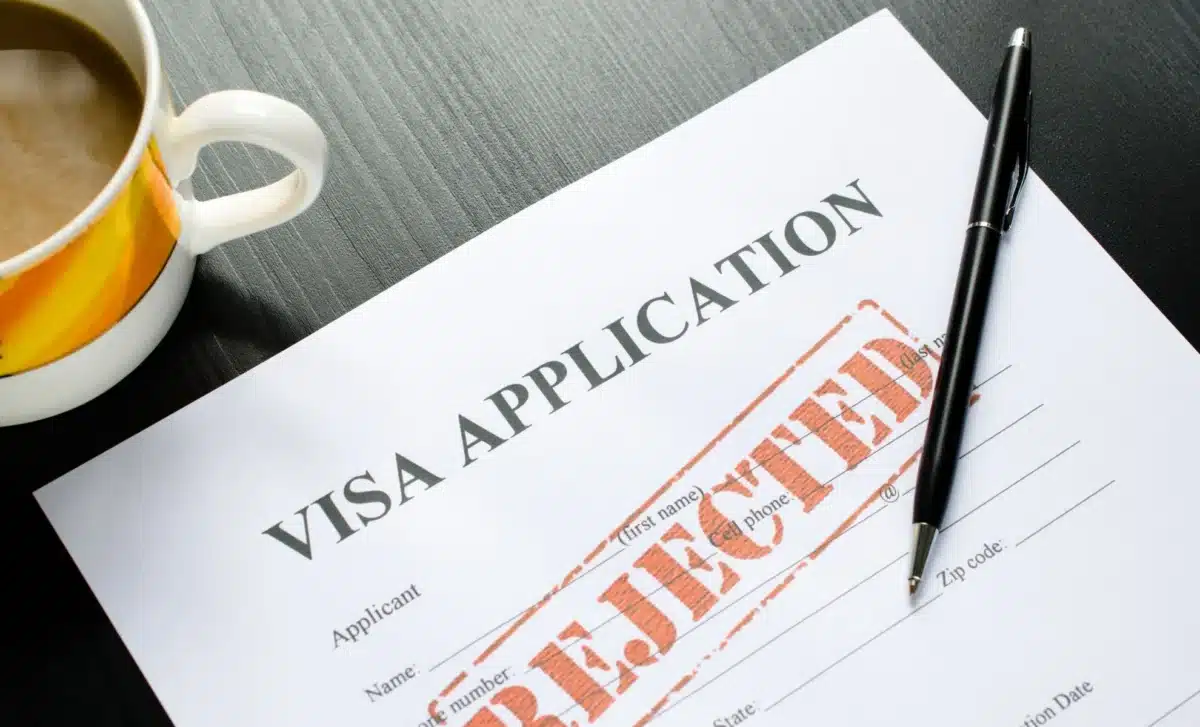
The move, which subjects nationals from around 50 countries to extended delays and more rigorous visa screening, comes as part of an effort to address what the White House describes as “chaotic immigration flows” and national security risks. While supporters claim it will bolster U.S. security, critics argue the policy could harm thousands of legitimate visa applicants.
Heightened Scrutiny for Dozens of Countries
According to the Trump administration, the new visa pause targets nations deemed to pose higher immigration risks. This includes countries across Africa, South Asia, the Middle East, and Latin America, such as Bangladesh, Pakistan, Nigeria, Sudan, Somalia, Venezuela, and Yemen. The directive affects a wide range of categories, from tourist and work visas to student admissions and family reunification.
By placing these nations under more stringent review, the U.S. government hopes to curb illegal immigration and enhance the vetting process for visa applicants. The White House contends that the move is necessary to address issues such as visa overstays and inadequate screening systems. “We must halt immigration from countries that pose heightened risk until we overhaul the system,” one anonymous official said in a statement.
However, the broad nature of the review has sparked significant backlash from various quarters. Immigration advocates argue that the policy unfairly penalizes individuals from countries that already contribute significantly to the U.S. economy. Furthermore, humanitarian organizations have warned that the pause could leave vulnerable populations, including refugees and asylum seekers, in a prolonged state of uncertainty.
Impact on Visa Applicants: Delays and Denials
The most immediate consequence of the visa review is longer processing times and the potential for outright visa denials. Consular offices may suspend routine processing for individuals from the affected countries, and applicants can expect to face additional paperwork or interviews. Immigration lawyers have advised applicants to avoid non-essential travel and to stay updated on their status through official U.S. government channels.
The policy could also have lasting consequences for people already in the U.S. with valid visas. While current visa holders are not immediately affected, they may face increased scrutiny during future renewals. Many individuals who rely on the U.S. visa system for work or family reunification now face an uncertain future.
The broader implications for international students and skilled workers are also concerning. Critics argue that these delays will disproportionately harm individuals who contribute to the U.S. economy through their expertise and education.
In particular, students from affected countries may face significant challenges in pursuing their studies in the U.S., with potential delays in admission and visa approvals for future academic terms. Universities that rely on international students for both tuition revenue and diversity could also experience negative repercussions.
Political and Legal Backlash
The pause has also ignited a political debate in the U.S., with lawmakers on both sides of the aisle raising concerns about its impact. Some argue that the freeze undermines U.S. values of openness and immigration, while others express doubts about the effectiveness of the policy in addressing border security issues.
One major point of contention is the lack of clarity surrounding how long the freeze will last and how it will be enforced. With border security once again at the forefront of national conversation, many are calling for a more transparent and measured approach.
While the Trump administration’s decision to place dozens of countries under visa review is framed as a necessary step for national security, it has raised serious concerns about the consequences for legitimate applicants. Whether the policy will achieve its intended goals or cause unintended harm remains a subject of intense debate.