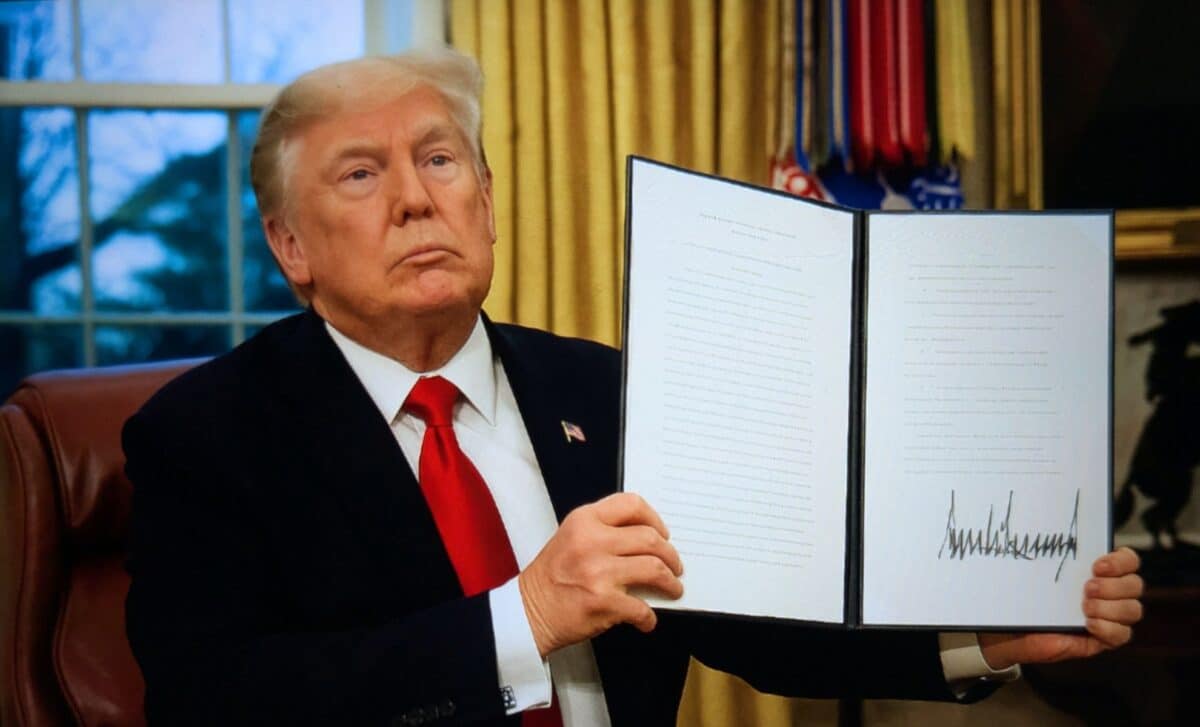
In a move set to reshape international trade dynamics, US President Donald Trump has unveiled new tariffs that will significantly impact a range of industries. Beginning October 1, 2025, a 100% tariff will be imposed on branded pharmaceutical imports unless manufacturers build plants in the US. Additional duties on heavy trucks and furniture are also set to affect both consumers and producers alike.
The new measures, posted by Trump on social media, are aimed at encouraging domestic manufacturing and reducing reliance on foreign imports. The tariffs could have far-reaching consequences, particularly for the pharmaceutical sector, which has expressed concerns about rising costs and potential disruptions.
The Impact on the Pharmaceutical Industry
The most striking of the new tariffs is the 100% import duty on branded or patented pharmaceutical products. According to Trump’s announcement, this tariff will apply to all imports, unless the pharmaceutical company is actively building a manufacturing plant within the US. This policy is part of Trump’s broader effort to bring more industries back to American soil, with a clear focus on securing jobs and reducing reliance on foreign-produced goods.
The pharmaceutical industry has reacted with a mixture of concern and cautious optimism. Australian pharmaceutical company CSL, which exports substantial quantities of plasma products to the US, stated that it was monitoring the situation closely. While the company’s existing manufacturing footprint in the US positions it well to weather the impact, others are less confident.
According to the Pharmaceutical Research and Manufacturers of America (PhRMA), the new tariffs could undermine significant investments already planned for U.S. facilities. In particular, the higher costs resulting from the tariffs could further strain US healthcare systems, especially Medicare and Medicaid, which are already under financial pressure.
The Broader Trade Implications
Alongside pharmaceutical products, the new levies will impose a 25% duty on heavy-duty trucks and 50% tariffs on kitchen and bathroom cabinets, effective from October 1. These measures are designed to protect US manufacturers from what Trump described as the “unfair flooding” of foreign-made products.
US manufacturers like Peterbilt, Kenworth, and Mack Trucks stand to benefit from these import fees, which aim to bolster domestic production. However, industry experts caution that the tariffs may lead to higher costs for consumers, particularly in sectors like transportation, where costs could increase at a time of rising inflation.
International reactions have varied, with some countries preparing to challenge the tariffs. The European Union and Japan, both of which have existing trade agreements with the US, are evaluating the potential impact. The UK, a major exporter of pharmaceuticals to the US, has also expressed concern, with government spokespeople engaging with US authorities to seek clarification.