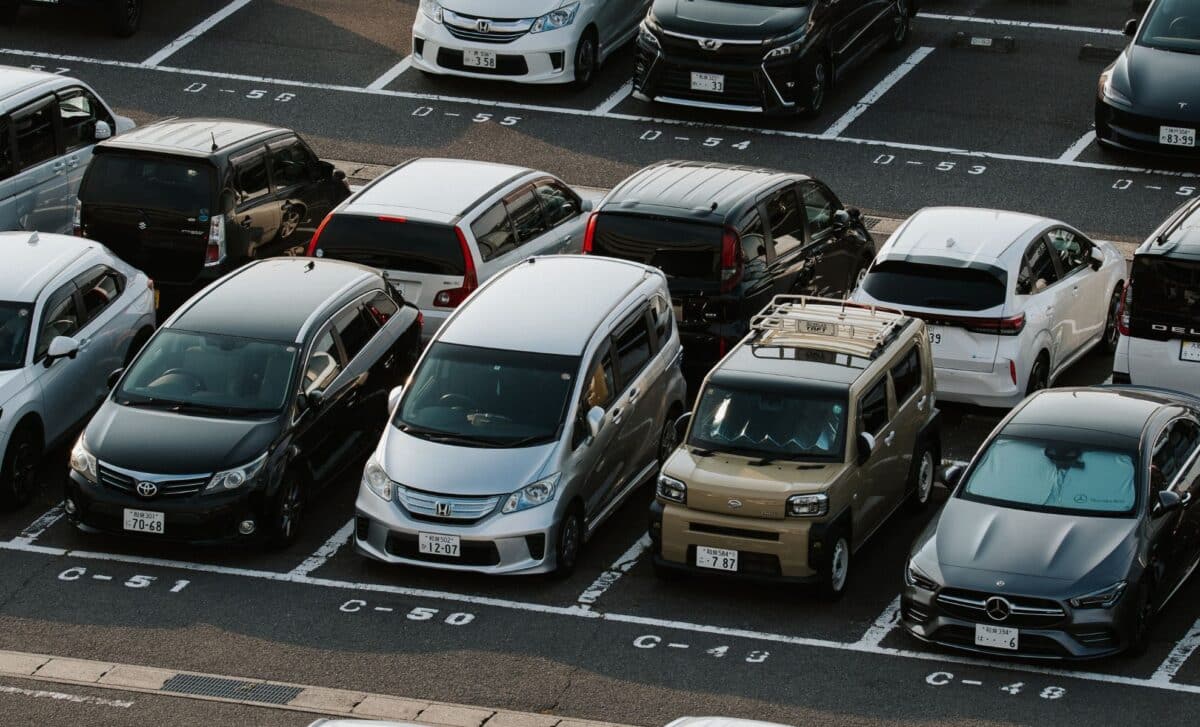
Japan’s kei cars, tiny, lightweight vehicles built to be cost-efficient and easy to manoeuvre, have caught the attention of Donald Trump. During a visit to Japan in October, he praised their compact design and affordability, calling them “really cute” and expressing interest in bringing a version of them to American roads.
Within days, Trump announced via Truth Social that he had “just approved TINY CARS to be built in America,” describing them as inexpensive, safe, fuel-efficient and “AMAZING”. The move, he said, would address growing concerns over the affordability of US-made cars, which now average over $50,000, according to Kelley Blue Book.
From Postwar Japan to Rural Texas: Kei Cars Gain a US Following
Kei cars, short for kei-jidōsha meaning “light automobile”, were introduced in Japan after World War II to stimulate car ownership while keeping running costs low. They are regulated by size and engine capacity, typically capped at 660cc and about 60 horsepower, and benefit from reduced insurance and tax rates in Japan. These vehicles are especially popular in rural parts of the country, where their size makes them ideal for navigating narrow roads and parking in tight spaces.
Despite their niche design, kei cars are gradually finding an audience in the United States. According to export data cited by the New York Times, over 7,500 kei vehicles were imported into the US last year. These imports, often more than 25 years old to bypass safety regulations, appeal to drivers seeking utility and low costs.
David McChristian, a Houston firefighter and president of advocacy group Lone Star Kei, told NBC he purchased his kei truck at a Japanese auction for $900 and paid $2,500 in shipping fees, a fraction of the cost of even the cheapest US pickup.
Still, the kei car remains far from mainstream. Many states limit their use to low-speed or off-road areas, and safety remains a central concern. “It’s easy to want to drive one of these cute kei cars,” said Tifani Sadek, director of the University of Michigan Law School’s Law and Mobility Program, in comments to NBC. “It’s another thing to put your family in them and travel down the highway at 70 mph between a Suburban and an F-150.”
Manufacturing Ambitions Collide With Safety Law and Market Preferences
Trump’s announcement of “approving” kei cars for US production raised eyebrows among transportation analysts. According to the New York Times, US safety laws are one of the biggest barriers to full adoption. Federal regulations require vehicles to meet strict crashworthiness and emissions standards, which most kei models, especially older imports, do not. Many lack airbags or reinforced frames capable of withstanding collisions with much heavier vehicles commonly found on US highways.
Experts say legal reforms would be needed to enable wider adoption. Congress could amend the National Traffic and Motor Vehicle Safety Act, or the National Highway Traffic Safety Administration could revise current standards, though such regulatory processes are known to take years. Automakers can also apply for temporary exemptions, but only for limited production volumes of up to 2,500 units.
Industry reaction to the idea has been muted. General Motors said it already offers a wide range of options, while Toyota declined to comment on future production plans. According to David Friedman, former acting administrator at NHTSA, automakers are likely to resist a shift towards kei-style models due to lower profit margins. “The auto market in the United States is going is toward bigger, more luxurious cars,” he told the same source.
Meanwhile, advocates like McChristian continue lobbying state governments for greater road access. But even if federal and state laws were changed, kei cars would likely remain a secondary option. As Rutgers professor Thomas Prusa told NBC, they may serve best as second or third vehicles for urban households or retirement communities rather than a replacement for the average family car.