As the new year begins, many Americans set goals for improving their health, finances, and organization. Experts suggest one powerful strategy that supports all three: a consistent plan for maintaining the home.
Routine home care is more than cosmetic. It plays a role in preventing health issues, avoiding emergency repairs, and preserving long-term property value. Real estate professionals and housing advocates say this makes it worth including in both health and financial planning each year.
Home Care Habits That Impact Health and Safety
Americans spend about 90 percent of their time indoors, and 70 percent of that inside the household, according to the National Human Activity Pattern Survey. This makes the quality of indoor living spaces a key factor in health, especially for children, older adults, and people with medical conditions.
According to Amanda Reddy, executive director of the National Center for Healthy Housing, homes should be kept dry, clean, pest-free, ventilated, and safe. These conditions vary by climate and housing type, but experts agree that both small and large maintenance tasks contribute to a healthier environment. This includes everyday efforts like wiping surfaces and clearing vents, as well as addressing issues like leaks, mold, and structural damage.
The U.S. Department of Energy and the Environmental Protection Agency estimate that around three-quarters of existing homes will still be in use by 2050. This long-term reliance on current housing stock underscores the importance of upkeep. Preventive measures not only reduce risks but also extend the life of a home, say real estate professionals.
Reddy emphasizes that even imperfect maintenance matters. “At the end of the day, doing any preventative maintenance at all matters more than doing it perfectly or at exactly the right time,” she said. Residences experience different stress throughout the year, so timing seasonal tasks is more realistic than tackling everything at once.
Planning Seasonal Maintenance Throughout the Year
Preparing for weather-related stress can reduce damage and promote stability in both indoor air quality and structural integrity. Seasonal maintenance routines help homeowners address concerns before problems escalate.
Experts say spring and summer are the right time to prepare for heat and dry conditions. According to American Home Inspectors Training and guidance from home professionals, this includes checking air conditioning units, clearing dryer vents to reduce fire hazards, inspecting sprinklers and plumbing, and servicing appliances and electrical systems. It is also an ideal time for painting and repairs due to lower rainfall.
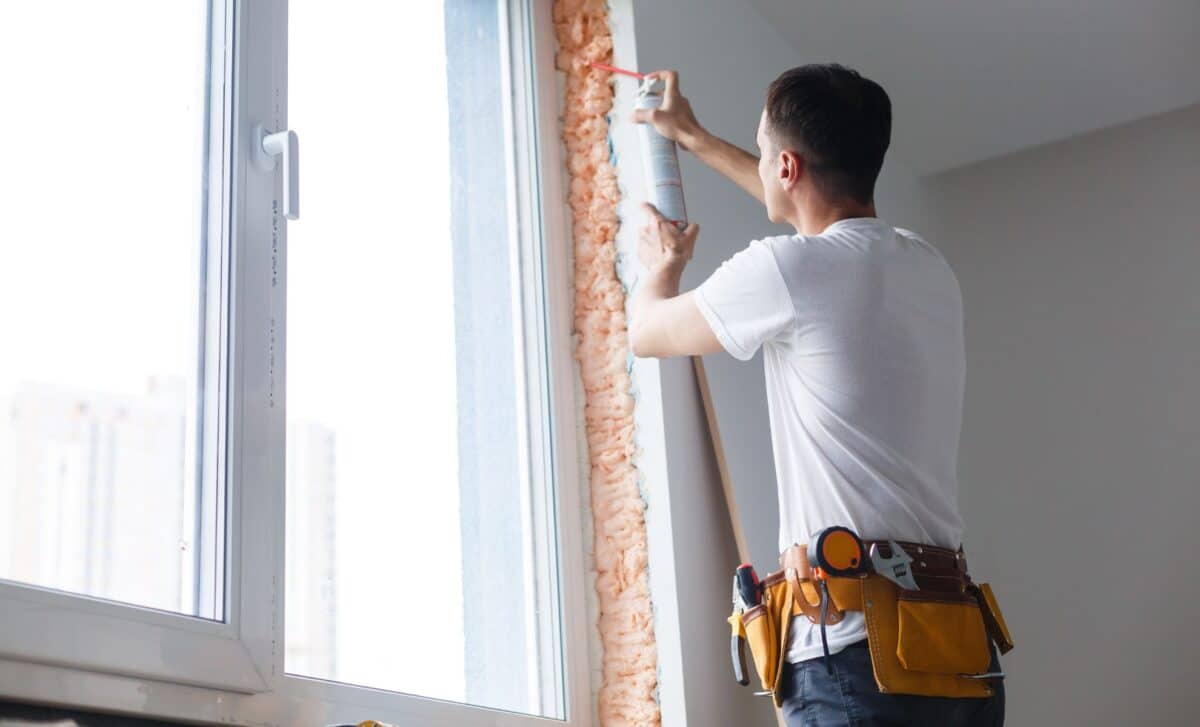
Fall and winter tasks shift focus to temperature control and air quality. Recommendations include inspecting heating systems, replacing air filters, testing carbon monoxide detectors, sealing leaks, and prioritizing pest control. Cleaning chimneys, roofs, and drainage systems also prevents water intrusion and heat loss during colder months.
“What happens outside the house rarely stays outside the house,” said Reddy. Seasonal shifts affect home systems, and addressing these changes in advance helps avoid costlier repairs later. By anticipating these cycles, homeowners can distribute expenses more evenly throughout the year and reduce the likelihood of emergencies.
Establishing a consistent maintenance routine doesn’t require perfection, but it does require intention. Whether owned or rented, a home’s condition can shape daily well-being and long-term financial outcomes. For many, this makes home care an essential resolution worth repeating annually.