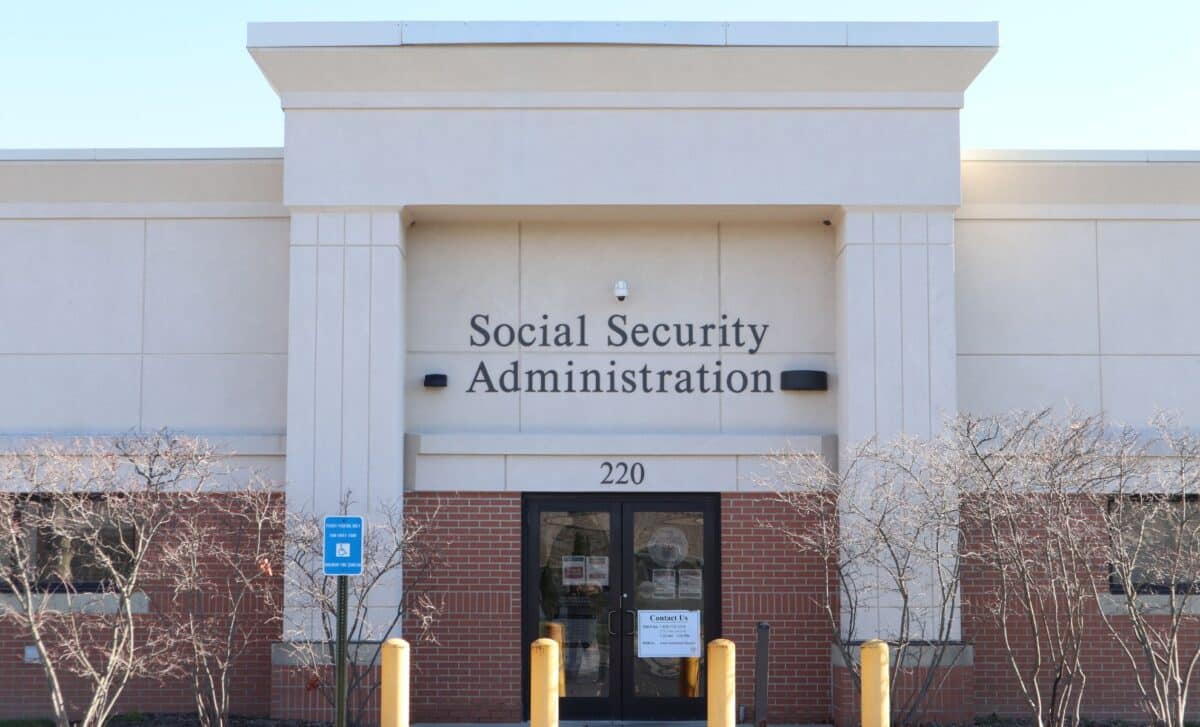
As of late 2025, the Social Security Administration (SSA) is facing unprecedented operational challenges. Delays in processing claims and a growing backlog of cases have affected millions of Americans who rely on the system for retirement, disability, and survivor benefits.
The crisis has become a point of political tension and public frustration, with diverging accounts between agency leadership and internal sources. While SSA leadership claims marked improvements in service delivery, documents and employee testimonies suggest a system under mounting strain.
Widespread Delays Affect Services Despite Claims of Progress
Service delivery within the Social Security Administration deteriorated sharply over the course of 2025, with internal records showing as many as 6 million pending cases in processing centers and 12 million transactions at field offices. According to The Washington Post, this situation has led to widespread service delays, including months-long waits for disability payments, appointment scheduling, and claim resolution.
Phone service metrics improved somewhat in the second half of the year. Average hold times peaked at two and a half hours in March, but dropped after thousands of employees were reassigned from field offices to national call centers. Still, average wait times for callbacks remained over an hour by year’s end, and nearly a quarter of callers never received a response. According to the SSA Inspector General’s report released in December, although telephone performance improved statistically, the classification of millions of callback requests as zero-minute wait times raised concerns about how performance was being measured.
SSA officials, including Commissioner Frank Bisignano, insist the agency has made significant progress. In a statement cited by Newsweek, the SSA reported reducing pending actions in processing centers by over one million cases between June and the end of the fiscal year. Bisignano emphasized a continued “digital-first” approach, aimed at improving automation and reducing the need for in-person visits, though many current and former employees questioned the feasibility of this strategy given existing system limitations and user accessibility challenges.
Workforce Reductions and Poor Training Drive Internal Strain
The strain on SSA operations coincides with a year marked by staffing cuts and abrupt policy shifts. According to The Washington Post, approximately 7,000 employees (or 12 percent of the SSA workforce) departed in early 2025 due to layoffs, early retirement offers, or resignations. Those remaining were frequently reassigned with minimal training, often receiving just a few hours of instruction to handle complex claims or field phone inquiries, a process that usually requires months.
One staffer told the same source that these rapid transitions led to misinformation being given to callers, while others admitted to avoiding giving callers any estimate on when their cases might be resolved. The resulting backlog affected both individual claimants and broader office operations, with locations in rural areas like Montana and Wyoming reporting closures or staff-to-beneficiary ratios as high as 1 to 7,400.
The SSA’s operational restructuring was largely driven by the Department of Government Efficiency (DOGE), led by figures aligned with President Trump. Internal reshuffling under interim commissioner Leland Dudek and other DOGE directives eliminated regional oversight, froze hiring, and limited overtime, all while demand for services continued to grow. These moves left many field office staff “overwhelmed” and forced them to prioritize phone work at the expense of claims processing.
Labor leaders and SSA employees have voiced concern about the long-term impacts. Rich Couture of the American Federation of Government Employees warned of a “wholesale collapse” of the service structure if staffing and resource shortages persist. While the SSA plans to expand IT investment by $591 million and reduce payroll by $367 million in the coming year, internal concerns suggest these measures may not be enough to stabilize the agency.
The Social Security system serves over 74 million Americans. While political debate continues in Washington over how best to maintain the program’s viability, the people depending on it, many of them elderly, disabled, or vulnerable, continue to face long delays, missed payments, and inconsistent service.